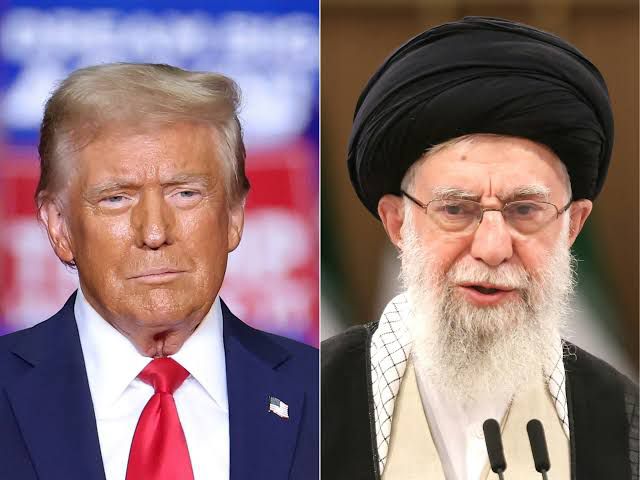
A temporary breakthrough has been reached in rising Middle East tensions, as the United States and Iran have agreed to a two-week ceasefire aimed at de-escalating hostilities and stabilizing global energy supply routes.
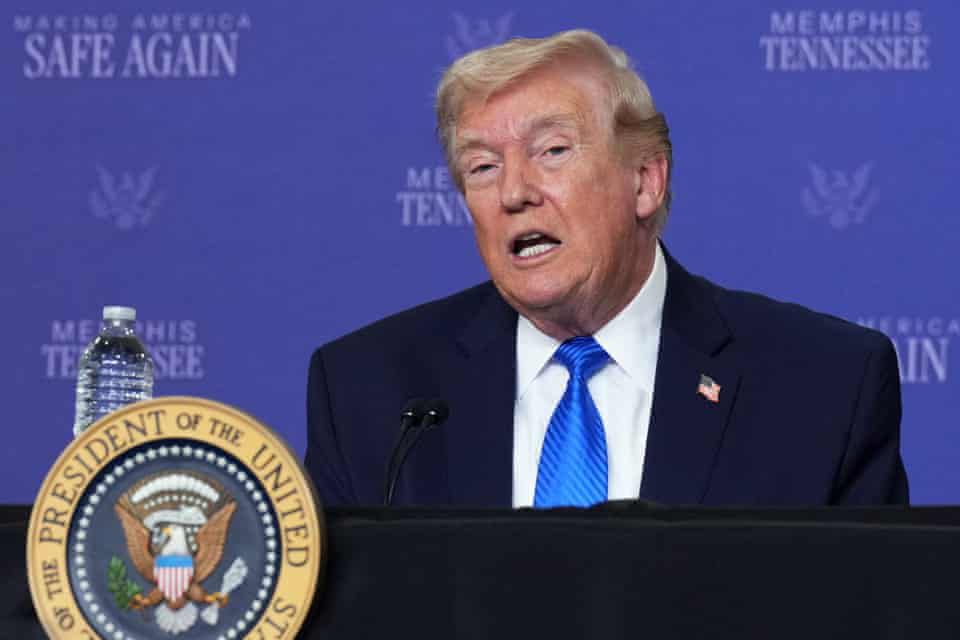
The agreement, confirmed by U.S. President Donald Trump and Iran’s Foreign Minister Abbas Araghchi, provides for an immediate halt to military attacks by both sides. As part of the deal, Iran will also allow the safe passage of all vessels through the strategically vital Strait of Hormuz.
Pakistan’s Mediation Role
The ceasefire was brokered through diplomatic backchannels facilitated by Pakistan. Prime Minister Shehbaz Sharif played a central role in mediating communications between Washington and Tehran. He announced that the ceasefire would extend beyond Iran to include a temporary halt in hostilities involving Israel and Hezbollah in Lebanon.
Sharif described the development as an “immediate ceasefire everywhere,” signaling a broader regional pause in conflict.
Key Terms of the Ceasefire
Under the agreement:
The United States will suspend ongoing and planned military operations against Iran for two weeks.
Iran will ensure uninterrupted maritime access through the Strait of Hormuz.
Both parties will halt retaliatory attacks, contingent on mutual compliance.
Negotiations toward a long-term peace agreement will continue during the ceasefire period.
President Trump stated that the U.S. had already achieved its primary military objectives and expressed optimism about finalizing a comprehensive peace deal. He also revealed that Washington is reviewing a 10-point proposal submitted by Iran, describing it as “a workable basis” for further negotiations.
Rising Tensions and Global Reactions
The ceasefire comes after weeks of escalating conflict that disrupted global oil markets. The Strait of Hormuz—through which nearly 20% of the world’s oil supply passes—had become effectively inaccessible following military actions that began on February 28.
Iran had previously restricted maritime movement, damaging some vessels and allowing limited passage under strict conditions. This led to a sharp rise in global crude oil prices and heightened economic uncertainty.
President Trump had earlier issued a controversial warning threatening severe action against Iran’s infrastructure, drawing condemnation from international figures, including global religious leaders and United Nations agencies.
Economic and Strategic Implications
With the ceasefire now in effect, hundreds of stranded ships are expected to resume transit through the Strait, potentially easing pressure on global energy markets. Analysts believe this development could lead to a gradual stabilization of oil prices if the truce holds.
Meanwhile, Iran signaled its willingness to de-escalate further. In a statement, Foreign Minister Araghchi said Iran’s armed forces would suspend defensive operations if attacks against the country cease.
Outlook
The two-week window is seen as a critical opportunity for diplomacy. Both sides have indicated that most contentious issues have already been addressed, raising hopes for a long-term agreement that could reshape stability in the Middle East.
However, observers caution that the situation remains fragile, and sustained peace will depend on continued cooperation and trust-building measures between the parties.