
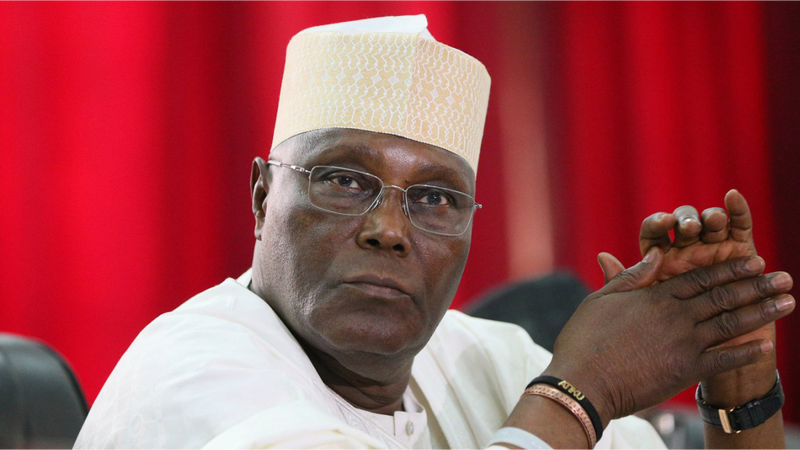
Former Vice President Atiku Abubakar has strongly criticized the economic policies of President Bola Ahmed Tinubu, describing the administration’s reforms as a “monumental regression” amid worsening poverty levels in Nigeria.
In a statement issued by his spokesperson, Phrank Shaibu, Atiku expressed alarm over recent findings by the World Bank indicating that approximately 60 percent of Nigerians are now living below the poverty line. He noted that this represents a significant increase from about 40 percent recorded just a few years ago.
According to Atiku, the current economic hardship facing Nigerians is not accidental but a direct consequence of policy decisions made by the present administration. He pointed specifically to the removal of fuel subsidies and the devaluation of the naira, arguing that both measures were implemented without adequate safeguards to cushion their impact on citizens.
He said the effects of these policies are evident across the country, citing soaring food prices, rising inflation, and the collapse of small businesses. The former vice president added that many Nigerians are struggling with declining incomes and increasing economic uncertainty.
“At a time when the government highlights macroeconomic indicators as signs of progress, ordinary Nigerians are facing a harsher reality marked by hunger and daily survival challenges,” the statement read.
Atiku further argued that the situation reflects a disconnect between government policies and the lived experiences of citizens. He maintained that economic reforms should be carefully planned and implemented with a focus on protecting vulnerable populations.
Offering an alternative approach, Atiku emphasized the need for policies centered on job creation, food security, and income growth. He also called for stronger support for small businesses, agriculture, and industrial development, alongside better coordination between fiscal and monetary authorities to stabilize the economy.
The statement concluded by stressing that effective leadership requires acknowledging challenges and making necessary adjustments to improve the welfare of citizens.
The comments come amid ongoing national debate over economic reforms introduced by the Tinubu administration, as Nigerians continue to grapple with rising living costs and economic uncertainty.