Naira Exchange Rate Today: Nigerian Currency Records First Loss This Week
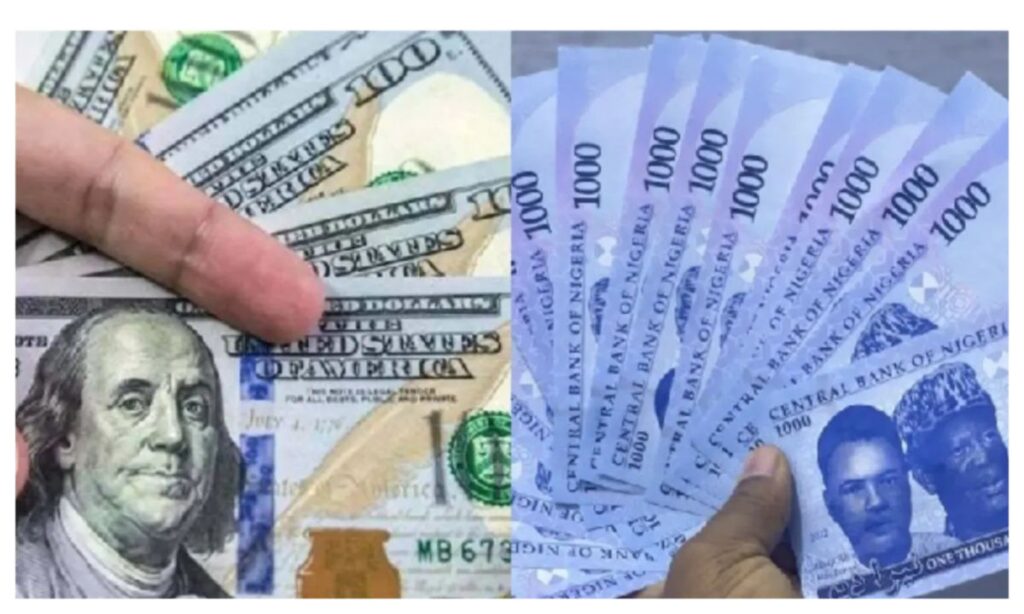
The Nigerian Naira recorded its first depreciation against the United States dollar this week at the official foreign exchange market, despite the continued rise in the country’s foreign reserves.
According to data released by the Central Bank of Nigeria (CBN), the Naira closed at N1,362.05 per dollar on Wednesday, June 10, 2026, compared to N1,360.55/$ recorded on Tuesday.
This represents a day-to-day decline of N1.50, marking a slight setback after two consecutive days of gains by the local currency.
Foreign Reserves Continue Upward Trend
The depreciation comes at a time when Nigeria’s external reserves are showing significant improvement. Latest figures from the Central Bank indicate that the country’s foreign reserves increased to $50.35 billion as of June 9, 2026.
The growth in reserves is seen by analysts as a positive signal for Nigeria’s economic stability and the ability of monetary authorities to support foreign exchange liquidity when necessary.
Higher reserves generally strengthen investor confidence, improve the country’s capacity to meet external obligations, and provide a buffer against global economic shocks.
Black Market Exchange Rate Remains Stable
While the official market recorded a slight decline in the value of the Naira, the parallel market remained unchanged.
Currency traders in major exchange hubs reported that the Naira exchanged at N1,395 per dollar on Wednesday, maintaining the same rate recorded on Tuesday.
The stability in the black market suggests a balance between demand and supply pressures in the informal foreign exchange segment.
What the Latest Exchange Rate Means
The marginal depreciation of the Naira highlights the continuing challenges facing Nigeria’s foreign exchange market, despite improvements in external reserves and recent policy reforms aimed at enhancing liquidity and market transparency.
Economic observers note that sustained growth in foreign reserves, increased foreign investment inflows, and stronger export earnings will remain critical factors in supporting the long-term stability of the Naira.
Market participants will continue to monitor the actions of the Central Bank of Nigeria, global oil prices, and foreign capital inflows for indications of the currency’s direction in the coming weeks.
Outlook for the Naira
Although the Naira experienced a minor decline on Wednesday, analysts believe the broader outlook remains cautiously optimistic due to improving reserves and ongoing efforts to strengthen Nigeria’s foreign exchange market.
Investors, businesses, and consumers are expected to closely watch upcoming economic indicators as they assess the future trajectory of the Nigerian currency.