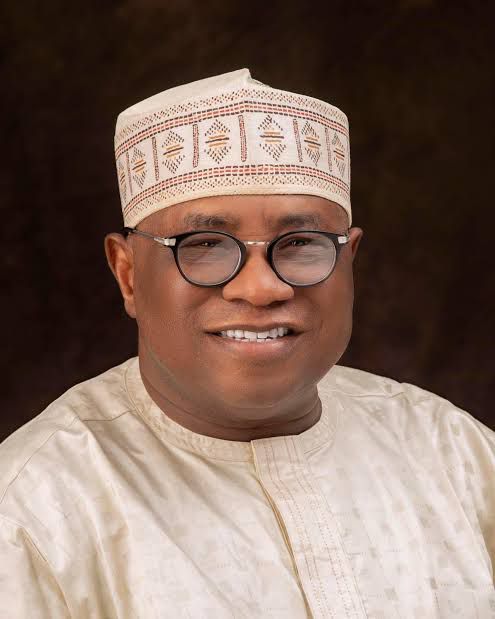
A Professor of Arabic and Islamic Studies at the University of Ibadan, Prof. Afeez Oladosu, has urged political leaders and other public office holders to regard positions of authority as opportunities to serve humanity rather than avenues for personal enrichment.
Oladosu, a former Dean of the University of Ibadan’s Faculty of Arts, gave the charge on Sunday in Ibadan while delivering a lecture titled “Maintaining Legacy, Promoting Effective Leadership” at the inauguration of the newly appointed executive members of the Oyo State Muslim Community, led by Kazeem Gbadamosi, SAN.
The academic stressed the importance of accountability, ethical leadership and responsible use of public resources, particularly as politicians prepare for the forthcoming 2027 general elections.
According to him, political office carries a moral responsibility to the people and should never be regarded as a platform for the illegal accumulation of wealth.
He urged political aspirants and serving officials to prioritise the welfare of citizens, especially vulnerable and less privileged members of society, warning that every individual in a position of authority would ultimately be accountable for his or her actions.
Oladosu said leadership should be understood as a trust and an opportunity to make a positive difference in society.
«“All of us will account for our deeds. We should see positions of authority as service to God and humanity and not as service to ourselves.»
«“We should use the opportunity to connect with the less privileged. Leadership across the country should see leadership as an opportunity to serve and not an opportunity for individuals to amass wealth illegally. They should see it as an opportunity to serve Nigerians.”»
The don also commended the outgoing leadership of the Oyo State Muslim Community for its contributions and encouraged the newly inaugurated executives to consolidate existing achievements while introducing initiatives capable of improving the welfare of Muslims and the wider society.
The inauguration brought together prominent Islamic scholars, community leaders and representatives of Muslim organisations, including the Executive Secretary of the Muslim Ummah of South West Nigeria, Prof. Wole Abass; Chief Imam of Oyoland, Sheikh Bilal Akinola Akewugberu; Baba Isale Musulumi of Oyo State, Chief Nureni Akanbi; and the outgoing chairman of the community, Alhaji Isiaq Kunle Sanni.
New Leadership Promises Education-Focused Interventions
In his inaugural address, the new chairman of the Oyo State Muslim Community, Kazeem Gbadamosi, SAN, outlined education, poverty reduction and social welfare among the priorities of the new administration.
Gbadamosi said the organisation would strengthen engagement with the Oyo State Government towards improving the condition of public schools across the state.
He explained that investing in public education was critical to protecting the future of young people and reducing social challenges associated with inadequate access to quality education.
“Most importantly, I said that we will liaise with the government to improve the condition of public schools in Oyo State because if we improve the condition of schools, we are saving the future,” he said.
The chairman also called for greater awareness and participation in Zakat and Sadaqah, saying properly organised charitable contributions could provide meaningful support to vulnerable families and help reduce poverty.
“We will encourage the people to pay Zakat and Sadaqah and distribute them to the people who are in need. That will help to reduce the level of poverty in the state. It is a matter of encouragement,” he said.
Call for Ethical Leadership Ahead of 2027
The professor’s message comes at a time when political activities are gradually intensifying ahead of Nigeria’s 2027 general elections.
Beyond electoral campaigns and political competition, Oladosu’s intervention highlighted the need for citizens and political leaders to place integrity, accountability and public interest at the centre of governance.
He maintained that leadership should be measured not merely by the power attached to an office, but by the positive impact made on the lives of the people.
The lecture therefore provided a broader reminder that public office is a responsibility entrusted to individuals on behalf of society and should be exercised with transparency, compassion and a strong sense of accountability.
For the Muslim community in Oyo State, the inauguration of the new executive leadership also marked an opportunity to strengthen collaboration with government and other stakeholders on education, poverty alleviation and community development.
As the country approaches the 2027 electoral cycle, the call for responsible leadership, according to Oladosu, remains essential to building a society where political authority translates into genuine service and improved living conditions for citizens.