
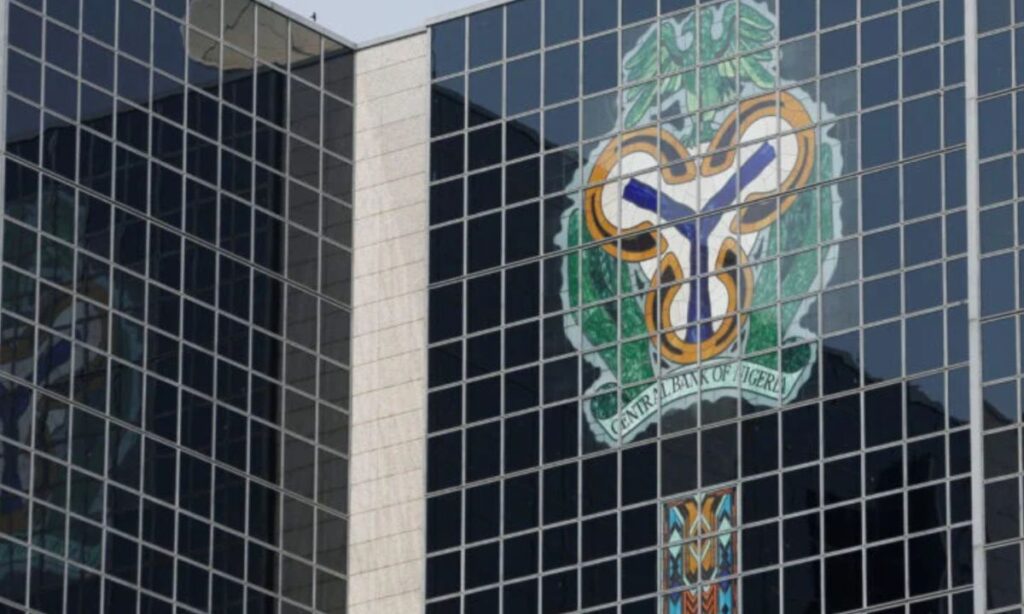
At least three bank mergers are expected in early 2026 as Nigerian lenders race to meet the Central Bank of Nigeria’s (CBN) new minimum capital requirements ahead of the March 31 recapitalisation deadline, a financial rating firm, DataPro, has projected.
The forecast is contained in DataPro’s 2026 Banking Sector Prospects in Nigeria, which also outlined key risks facing the sector in the New Year.
According to the report, most Tier-1 banks had already met the new capital threshold by the end of 2025, while several others announced compliance at the start of 2026. However, smaller Tier-2 banks are under increasing regulatory and market pressure to strengthen their capital base.
An Enterprise Risk Management expert at DataPro, Mr Idris Shittu, said the recapitalisation policy had intensified merger and acquisition activities within the sector.
“By the end of 2025, major banks will have successfully met the minimum capital threshold required by the Central Bank of Nigeria. Meanwhile, Tier-2 banks are under increasing pressure to comply, with three significant mergers expected by early 2026 as institutions scramble to meet the March 31 recapitalisation deadline,” Shittu said.
He noted that while the regulatory drive had created an active M&A environment, it also posed significant risks, particularly for smaller banks.
“Post-merger integration challenges such as IT system harmonisation, cultural alignment and the migration of non-performing loans could strain newly merged entities,” he said, adding that many banks had set up internal “war rooms” to focus on deal execution and risk mitigation.
Shittu further identified three major threats likely to confront the banking sector in 2026 — regulatory tightening, capital pressure and technological disruption
.
He explained that the high Cash Reserve Ratio (CRR) of 45 per cent for commercial banks would continue to restrict liquidity, forcing banks to rely more on fee-based income rather than traditional lending activities.
“This CRR effectively sterilises nearly half of naira deposits and severely limits liquidity,” he said.
On technological disruption, Shittu observed that fintech companies such as Moniepoint and Opay were rapidly gaining market share, especially among small and medium enterprises and retail customers.
He said this trend would compel traditional banks to accelerate digital transformation and evolve into lifestyle “super-apps” offering services beyond banking, including travel bookings and food delivery, to improve customer engagement.
However, he warned that legacy IT systems and slow procurement processes could hinder banks’ ability to compete effectively with agile fintech firms, potentially leading to a continued loss of younger customers.
To remain competitive, Shittu said banks may pursue strategic fintech acquisitions or establish autonomous digital subsidiaries capable of operating with greater speed and flexibility.