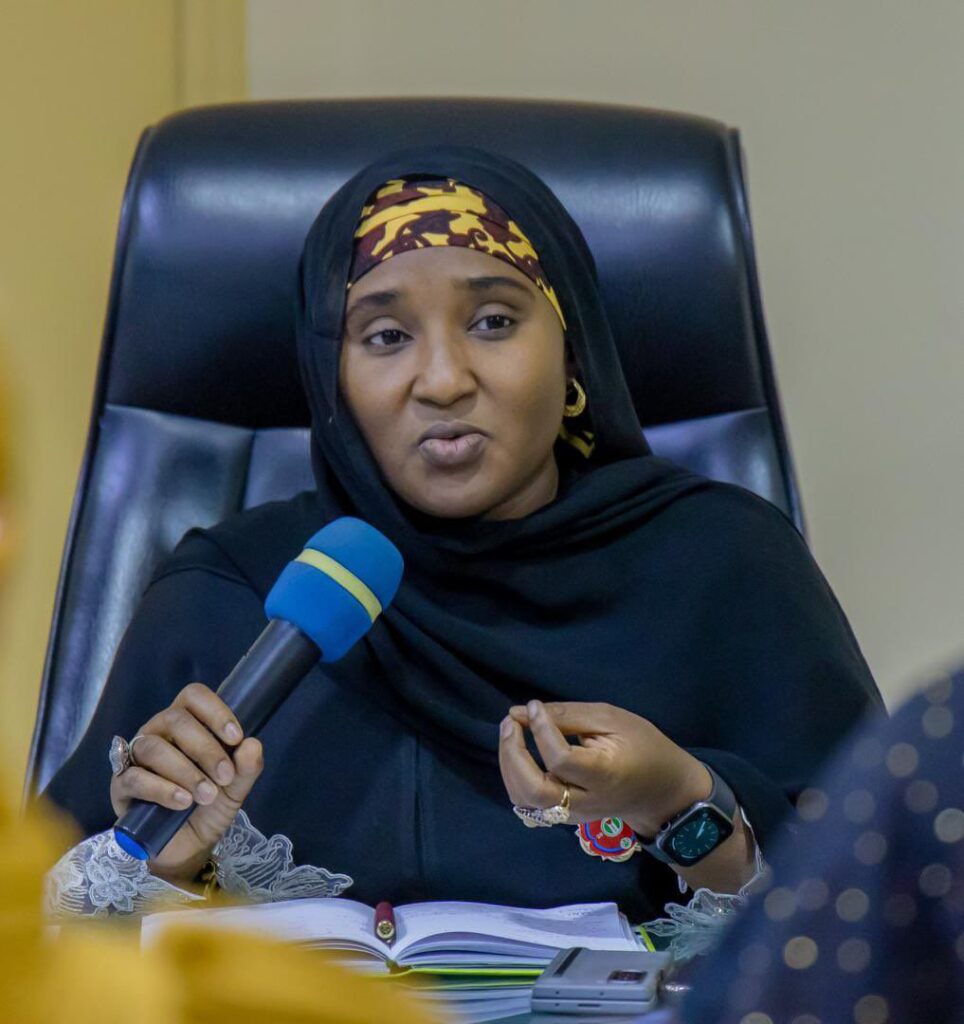
The initiative reinforces the Commission’s commitment to youth empowerment, skills acquisition, self-reliance and sustainable economic development across the six states of the North-East region.
In line with its mandate to rebuild the North-East, promote economic recovery and create sustainable employment opportunities for young people, the North-East Development Commission (NEDC), under the visionary leadership of its Managing Director and Chief Executive Officer, Dr. Mohammed G. Alkali, sponsored an intensive four-month technical and vocational training programme for 25 youths drawn from the six states of the region.
The training was conducted at the Renew Hope Multi-Skilled Acquisition Centre in Dutse, Jigawa State, where the beneficiaries received specialised instruction in 11 technical skill areas designed to prepare them for employment and entrepreneurship in key sectors of the Nigerian economy.
The initiative reflects Dr. Alkali’s commitment to complementing the Commission’s infrastructure development and recovery interventions with strategic investments in human capital development, particularly by equipping young people with practical skills that can improve their livelihoods and contribute to the long-term prosperity of the North-East.
Eleven Specialised Technical Skill Areas
During the four-month programme, the 25 beneficiaries underwent intensive theoretical and practical training in the following specialised fields:
1. Structural Welding
2. Coded Welding
3. Argon Welding
4. Pipe Fittings
5. General Rigging
6. Industrial Sandblasting
7. Industrial Painting
8. Domestic Painting
9. Electrical and Electronic Design
10. Scaffolding
11. Basic Firefighting Techniques
These technical disciplines are essential to the construction, fabrication, oil and gas, manufacturing and other industrial sectors, where skilled professionals are required to meet growing demands for infrastructure development, equipment installation, maintenance and industrial safety.
By providing training in these areas, the NEDC is helping to bridge the technical skills gap while creating opportunities for young people from the North-East to participate meaningfully in productive economic activities.
Building Skills for Employment and Entrepreneurship
The primary objective of the programme was to equip the beneficiaries with practical, industry-relevant technical skills that meet recognised professional standards and prepare them for opportunities in the labour market.
Beyond securing paid employment, the training was designed to encourage self-reliance and entrepreneurship by enabling participants to establish their own workshops, provide technical services and develop sustainable businesses.
With the knowledge acquired in welding, pipe fitting, electrical and electronic design, industrial painting, scaffolding and other specialised areas, the beneficiaries are better positioned to explore opportunities in the oil and gas, construction, manufacturing and related industries.
The programme also seeks to promote a culture of technical competence, innovation and enterprise among young people, enabling them to become active contributors to economic growth rather than depend solely on conventional employment opportunities.
For a region emerging from years of insecurity and economic disruption, such investments in vocational education are particularly important. They offer young people practical alternatives for earning a living, supporting their families and participating in the rebuilding of their communities.
A Combination of Theory and Practical Experience
The four-month training combined classroom instruction with hands-on practical sessions to ensure that participants acquired both the technical knowledge and operational experience required in their respective fields.
The programme was facilitated by teams of qualified engineers from ASGAF Global Consult Limited, who guided the trainees through the technical principles, practical applications and safety requirements associated with the various disciplines.
The emphasis on practical learning was intended to prepare the participants for real workplace situations, where technical precision, professional discipline, teamwork and adherence to safety standards are critical.
At the conclusion of the training, all 25 beneficiaries demonstrated competence in their respective areas of specialisation, representing an important step towards their professional development and future participation in the industrial workforce.
Their performance underscores the value of combining structured technical instruction with practical experience in preparing young people for employment and enterprise development.
Dr. Alkali’s Human Capital Development Vision
Under Dr. Mohammed G. Alkali’s leadership, the NEDC continues to pursue a development approach that recognises the importance of human capital alongside physical infrastructure.
While roads, schools, healthcare facilities, water projects and other public infrastructure remain critical to the recovery of the North-East, the availability of skilled and productive people is equally essential to ensuring that development interventions translate into lasting economic and social benefits.
The technical training programme demonstrates how vocational skills acquisition can complement broader regional development efforts by preparing young people to take advantage of employment opportunities generated by construction projects, industrial investments and emerging businesses.
It also reflects the importance of empowering beneficiaries with skills that can be applied across different sectors and geographical locations, thereby expanding their employment prospects beyond their immediate communities.
Through initiatives of this nature, the Commission is investing in the productive capacity of the region’s youth and supporting the development of a workforce capable of contributing to reconstruction, industrialisation and economic diversification.
Dr. Alkali’s leadership places emphasis on the need for development interventions to produce tangible benefits for the people of the North-East, particularly young people who require opportunities to acquire marketable skills, establish businesses and build sustainable livelihoods.
Contributing to Recovery and Sustainable Prosperity
The sponsorship of the 25 beneficiaries represents a practical intervention in the broader effort to transform the North-East from a region focused primarily on stabilisation and recovery into one increasingly positioned for economic expansion and sustainable growth.
By developing a pool of technically skilled young people, the programme can help support local industries, strengthen small businesses and improve the availability of qualified personnel for construction and industrial projects.
The opportunity for beneficiaries to establish their own workshops is particularly significant, as small and medium-sized enterprises can generate additional employment, provide essential services and stimulate economic activity within local communities.
Similarly, the acquisition of industrial safety skills, including basic firefighting, rigging and scaffolding, can promote safer working practices and improve the preparedness of trainees for demanding technical environments.
The programme therefore extends beyond the immediate objective of training 25 youths. It represents an investment in the skills, confidence and productive potential of young people who can contribute to their families, communities and the wider regional economy.
Conclusion
The four-month technical training programme sponsored by the North-East Development Commission demonstrates the importance of targeted skills acquisition in addressing youth unemployment and promoting sustainable livelihoods.
Under the leadership of Dr. Mohammed G. Alkali, Managing Director and Chief Executive Officer of the NEDC, the initiative has provided 25 youths from the six North-East states with specialised technical training aimed at improving their employability and entrepreneurial prospects.
With all 25 beneficiaries demonstrating competence in their respective areas, the programme represents a positive step towards building a technically skilled workforce capable of contributing to reconstruction, industrial development and private-sector growth.
Ultimately, empowering young people with practical and marketable skills is an investment in the future of the North-East. By connecting vocational training with employment opportunities and entrepreneurship, the NEDC is supporting a development pathway in which recovery goes hand in hand with self-reliance, productivity and sustainable prosperity.