
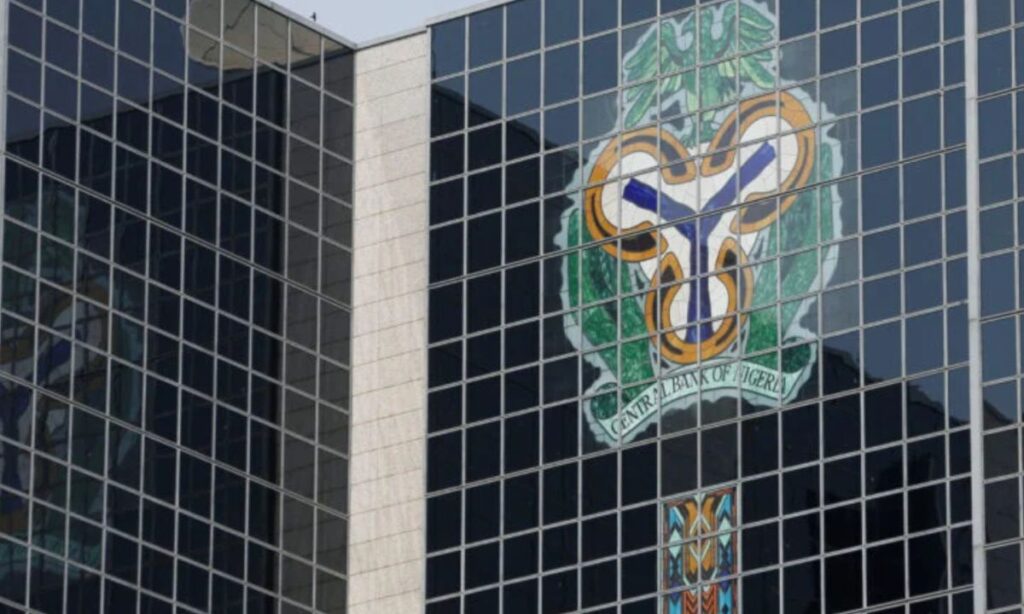
Nigeria’s banking sector is undergoing a major transformation following the Central Bank of Nigeria’s (CBN) decision to raise minimum capital requirements for banks, a move aimed at strengthening the financial system and positioning the economy for long-term growth.
In March 2024, the CBN announced new capital thresholds for banks, directing them to shore up their paid-up capital by March 31, 2026. The policy is designed to create larger and more resilient financial institutions capable of funding big-ticket projects, supporting economic expansion and contributing to Nigeria’s ambition of becoming a one-trillion-dollar economy.
Under the new framework, banking licences are categorised into three tiers — International, National and Regional — each with different capital requirements and operational scopes.
Findings indicate that several banks have already met the new benchmarks and secured their operating licences.
Banks with international banking licences, which permit cross-border operations and international transactions, are required to have a minimum paid-up capital of ₦500 billion.
As of early 2026, banks that have met this requirement include Access Bank Plc, Fidelity Bank Plc, First Bank of Nigeria Ltd, Guaranty Trust Bank Plc, United Bank for Africa Plc and Zenith Bank Plc.
Meanwhile, banks operating under national banking licences are required to maintain a minimum paid-up capital of ₦200 billion. These licences allow banks to operate across Nigeria but restrict international expansion.
Banks that have secured national licences include First City Monument Bank (FCMB), Wema Bank Plc, Standard Chartered Bank Nigeria, Citibank Nigeria, Stanbic IBTC Bank Plc, Sterling Bank Plc, Globus Bank and Premium Trust Bank.
FCMB is currently raising additional capital with the aim of upgrading to an international banking licence before the CBN deadline.
Industry analysts say the recapitalisation exercise is already reshaping Nigeria’s banking landscape, with expectations of stronger balance sheets, improved risk management and enhanced capacity to support economic development.
The CBN has reiterated that it will strictly enforce the March 2026 deadline, urging banks yet to meet the requirements to accelerate their capital-raising efforts to avoid regulatory sanctions.