
The Federal Government has launched key policy documents aimed at strengthening cancer prevention, diagnosis and treatment across the country.
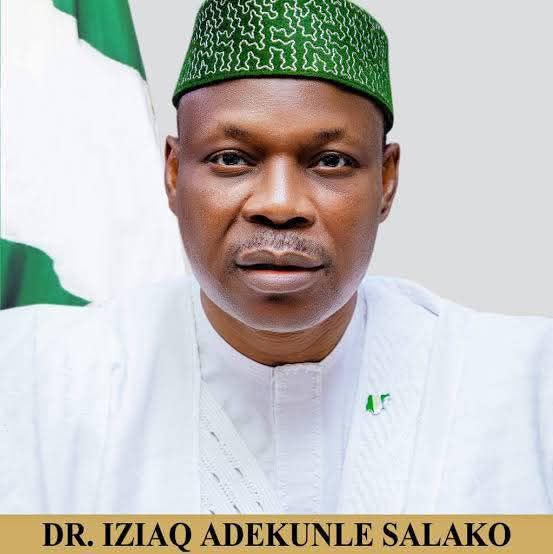
The Minister of State for Health and Social Welfare, Dr Iziaq Adekunle Salako, unveiled the documents in Abuja as part of renewed efforts to improve access to quality cancer care in Nigeria.
The documents include the Nigeria Nuclear Medicine Strategic Plan and the National Cancer Control Plan (2026–2030), which are expected to serve as roadmaps for enhancing early detection, diagnosis, treatment and cancer-related research nationwide.
Salako said the initiatives underscored the Federal Government’s commitment to reducing the burden of cancer through coordinated policies, improved infrastructure and strengthened human capacity in the health sector.
According to him, the National Cancer Control Plan will guide national response to cancer over the next five years, while the Nuclear Medicine Strategic Plan will expand access to modern diagnostic and therapeutic services.
Also speaking, the Director-General of the National Institute for Cancer Research and Treatment said the new policy frameworks and oncology centres represented a major step towards improving cancer survival outcomes in the country.
He noted that the measures would help standardise cancer care, promote early presentation and ensure equitable access to services across regions.
As part of the event, the minister formally declared eight oncology and preventive clinics operational across major federal tertiary health institutions in the country.
He said the facilities would provide specialised cancer services, including screening, diagnosis, treatment and follow-up care, adding that the move would decongest existing centres and bring services closer to the people.
Salako reaffirmed the government’s resolve to continue investing in cancer prevention and control as part of broader health sector reforms.