
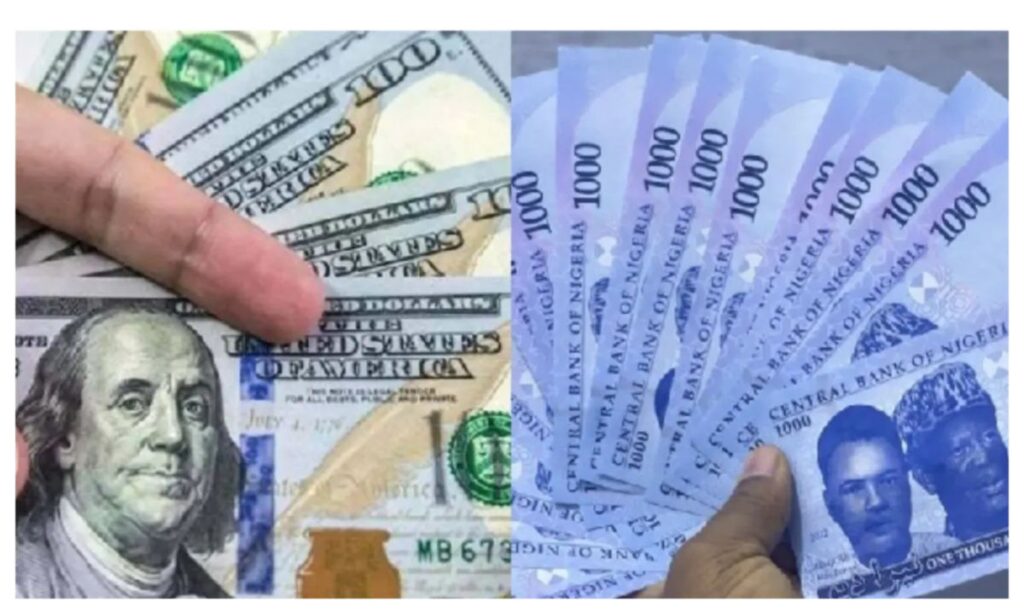
The Nigerian Naira opened the second week of January 2026 with marginal gains against the US dollar, reflecting stability in both the official and parallel foreign exchange markets.
Trading data from the Nigerian Foreign Exchange Market (NFEM) indicated that the local currency started the day at 1,426.69 per dollar. By midday, the rate had appreciated slightly to 1,423.82 per dollar, representing a 0.20 percent gain for the Naira.
The Central Bank of Nigeria (CBN) has been credited with maintaining transparency in price discovery and ensuring a steady supply of foreign exchange to meet legitimate obligations, contributing to the relative stability of the currency. Market turnover remains a key indicator as analysts monitor corporate demand for foreign exchange during the early part of the year.
In the parallel market, also known as the black market, the dollar was traded at a premium, with rates ranging between 1,475 and 1,490. Analysts note that while the official market serves large-scale transactions, the parallel market caters primarily to small-scale retail needs and individuals without immediate access to banking channels.
Economic observers attributed the current stability to steady oil revenues and the central bank’s ongoing monetary tightening measures. However, pressure on the Naira is expected as importers begin placing orders for the first quarter of the year, which could test the resilience of exchange rates.
Financial regulators’ policy updates remain under close watch, with stakeholders anticipating potential impacts on the currency as the business year gains momentum.