
Reliable electricity remains one of the most critical foundations for economic growth, industrial development and improved living standards. However, despite its importance, access to stable power remains a major development challenge across Nigeria’s North-East, where millions of people and businesses continue to depend on limited and unreliable electricity sources.
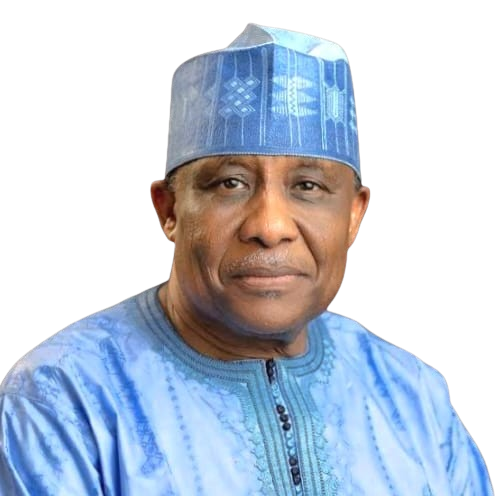
Recognising this challenge, the North East Development Commission (NEDC), under the leadership of its Managing Director and Chief Executive Officer, Dr Mohammed Goni Alkali, has secured Governing Board approval for a ₦100 billion investment in the deployment of 50 megawatts (MW) of renewable energy through solar mini-grids and distributed energy systems.
The intervention is designed to expand electricity access, stimulate economic activities, strengthen essential public services and provide sustainable power solutions to underserved communities across the six states of Adamawa, Bauchi, Borno, Gombe, Taraba and Yobe.
The scale of the investment is informed by the region’s significant electricity access deficit. While Nigeria currently records an estimated national electrification rate of 58 per cent, leaving approximately 42 per cent of its population without electricity, the situation in the North-East is considerably more challenging. Available estimates indicate that only 39 per cent of the region’s population is electrified, leaving about 61 per cent without access to electricity.
This gap continues to constrain industrial growth, agricultural processing, healthcare delivery, educational development, digital inclusion and private-sector investment. For many businesses, particularly small and medium-scale enterprises, inadequate electricity translates into higher operating costs, reduced productivity and limited opportunities for expansion.
Building on the Success of Light Up the North-East
The ₦100 billion renewable energy investment builds on the success of the Commission’s flagship Light Up the North-East Project, through which more than 100,000 solar-powered streetlights have been installed across the region.
The initiative has improved public safety, enhanced visibility in communities, extended business operating hours and created a more conducive environment for commercial and social activities.
Beyond public illumination, the project has demonstrated the transformative potential of renewable energy in improving community life. The proposed 50MW solar mini-grid programme represents a further expansion of this vision, moving beyond street lighting to provide electricity for productive activities and essential services.
Driving Economic Growth and Community Development
Under Dr Mohammed Goni Alkali’s leadership, the proposed solar mini-grid programme reflects the Commission’s determination to connect infrastructure development with economic recovery and long-term prosperity.
Reliable electricity will support small and medium-scale enterprises, agro-processing facilities, healthcare centres, educational institutions and other critical services. It will also enable businesses to reduce their dependence on expensive diesel and petrol generators, lower operating costs and improve productivity.
For rural communities, distributed solar energy systems could create new opportunities for local enterprises, improve agricultural value chains, support the preservation of farm produce and enhance access to essential services.
The initiative also aligns with the growing global emphasis on clean energy, environmental sustainability and climate-resilient development. By investing in renewable energy, the Commission is positioning the North-East to benefit from emerging opportunities in the green economy.
A Strategic Investment in the Region’s Future
The approval of ₦100 billion for the deployment of 50MW of solar energy infrastructure underscores the NEDC’s recognition that sustainable development cannot be achieved without adequate and dependable electricity.
The intervention also aligns with the broader objectives of the North-East Stabilisation and Development Master Plan, which identifies critical infrastructure, economic revitalisation, human capital development and sustainable livelihoods as essential drivers of regional transformation.
Ultimately, the 50MW solar mini-grid initiative is more than an investment in electricity; it is an investment in businesses, communities, education, healthcare, industrial development and the future prosperity of the North-East.
Through strategic planning, institutional commitment and forward-looking leadership under Dr Mohammed Goni Alkali, the NEDC is strengthening its efforts to move the region beyond recovery towards sustainable prosperity, making reliable electricity an increasingly accessible foundation for inclusive growth and development.
Related posts:

MMC Federal Lawmaker Installs Streetlights at Baga Motor Park Market, Deepens Security Intervention
NEDC Unveils 10,000 Electric Vehicle Initiative to Transform Transportation and Drive Economic Grow...