
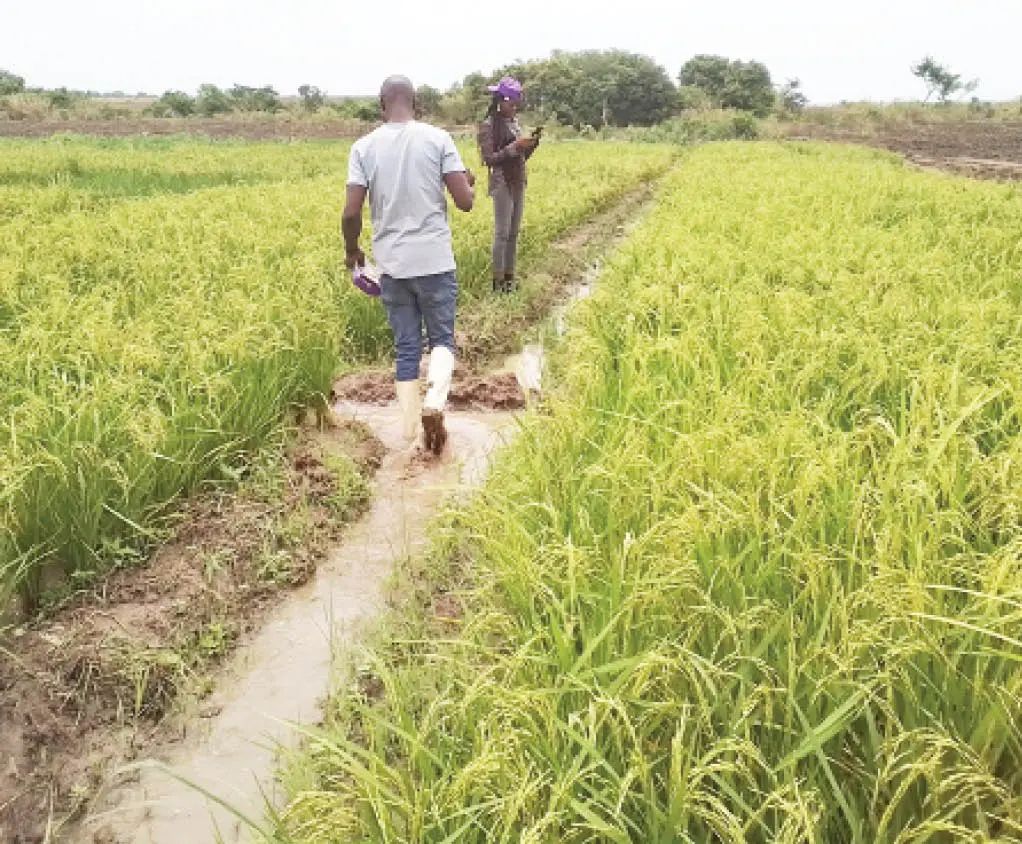
Nigerian farmers have lost almost ₦5 trillion in productive capital over the last 24 months, largely due to policy-driven price crashes, inaccurate weather forecasts by the Nigerian Meteorological Agency (NiMet), and widespread market distortions.
The Foundation for Peace Professionals (PeacePro) disclosed this in a statement, warning that the country’s agriculture sector is trapped in a deep structural crisis. According to the group’s Executive Director, Abdulrazaq Hamzat, the losses represent direct destruction of agricultural capital at the producer level and do not account for wider knock-on effects such as rising consumer inflation, GDP decline, foreign exchange pressure, or security-related costs.
“What has occurred is the liquidation of farmer capital. The secondary economic impacts will follow,” the statement said.
PeacePro noted that during the 2024–2025 period, farmers lost control over food pricing due to poorly timed policy interventions, price suppression measures, weak market coordination, and unreliable weather forecasts from NiMet. These factors reportedly forced farmers to sell produce below production costs, eroding the capital needed to sustain future farming cycles.
“This was not a natural market adjustment but a policy shock that shifted value away from producers,” the group stated.
Although an estimated 38–40 million Nigerians are engaged in agriculture, PeacePro stressed that the most severe losses were borne by market-oriented producers rather than subsistence farmers. The hardest hit, it said, are between 6 and 8 million small and medium-scale commercial farmers involved in grains, tubers, vegetables, and legumes—producers who supply urban and regional food markets but lack adequate storage and pricing power.
The group likened the scale of the losses to a financial sector collapse, noting that unlike banking crises, this one unfolded quietly in rural communities and farmlands.
It warned that depleted farmer capital could result in reduced planting in 2026, lower domestic food output, rising food prices, worsening rural poverty, and heightened social instability.
PeacePro called on authorities to openly acknowledge the extent of the damage and urgently pivot policy away from short-term price suppression toward protecting producers, preserving capital, and ensuring market stability.
“No country can impoverish its farmers and remain food secure. Nigeria risks paying a heavy price for policies that turned farmers into shock absorbers for inflation if corrective action is not taken in time,” the statement concluded.