
By Umaru Bako, FNSE, MIEPN
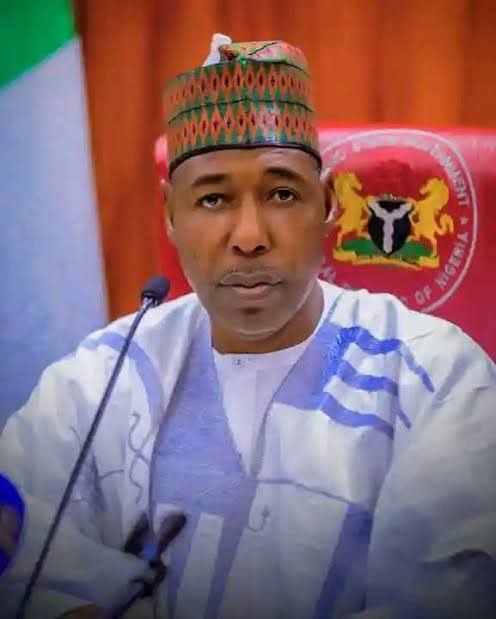
Borno State Governor, Professor Babagana Umara Zulum, CON, mni, FNSE, has continued to demonstrate inclusive, people-centred leadership through far-reaching development interventions across Bayo, Hawul, Kwaya Kusar, and Shani Local Government Areas. These engagements span education, healthcare, security, water supply, and socio-economic development, reaffirming the administration’s strong commitment to grassroots transformation and sustainable development.
Education Reform and Expansion
In Bayo Local Government Area, Governor Zulum inaugurated the newly constructed Government Secondary Schools (GSS) Fikiyel and Balbaya, each equipped with 20 modern classrooms, science laboratories, a library, and sporting facilities. He also flagged off the construction of a High Islamic College in Fikiyel, aimed at integrating out-of-school children, particularly Almajirai, into a structured, modern educational system.
The High Islamic College will operate a hybrid curriculum under the National Board for Arabic and Islamic Studies (NBAIS), blending Islamic education with science, technology, humanities, digital literacy, numeracy, and vocational training.
Governor Zulum explained that the initiative seeks to reform the Sangaya (non-formal) education system, equipping learners with functional skills for self-reliance, productivity, and meaningful societal contribution.
Briefing the governor, the Commissioner for Education, Engr. Lawan Abba Wakilbe, disclosed that High Islamic Colleges have now been established in 20 Local Government Areas of the state.
In a landmark policy move, Governor Zulum also directed the complete digitalisation of all public secondary schools in Borno State, through the integration of smart classrooms, e-learning platforms, and digital teaching tools, to enhance teaching quality and learning outcomes.
Kwaya Kusar: Education and Healthcare Boost
In Kwaya Kusar Local Government Area, the governor inaugurated the permanent site of Government Day Secondary School, Wandali, bringing to an end over 30 years of operation from a temporary location. The new facility comprises 20 classrooms, a fully equipped computer laboratory, administrative blocks, and modern science laboratories.
Governor Zulum reaffirmed his administration’s resolve to reposition the education sector through robust infrastructure development, manpower training, and the promotion of digital and vocational skills.
During the visit, he inspected General Hospital, Kwaya Kusar, pledging to rehabilitate the facility and restore its electricity supply. He commended the Medical Officer-in-Charge, an indigene of Rivers State, for his dedication and selfless service over the past four years.
Earlier, the governor inspected the Bilingual Boarding School in Briyel, which currently accommodates 430 orphaned pupils, and also visited General Hospital Briyel, assuring staff that power supply challenges would be addressed.
Hawul: Education and Economic Empowerment
In Hawul Local Government Area, Governor Zulum flagged off the reconstruction of a two-storey Central Primary School in Marama, consisting of 36 classrooms, alongside the construction of an additional five-block, six-classroom facility. He further announced the comprehensive rehabilitation of existing school infrastructure, including perimeter fencing and recreational facilities, to ensure safety and a conducive learning environment.
To stimulate local economic activity, the governor commissioned the Late Hajiya Aisha Kwaksa Usman Kadafur Shopping Complex, a modern commercial facility designed to promote trade, empower women and youths, and create employment opportunities.
Shani: Integrated Development and Security
In Shani Local Government Area, Governor Zulum paid a courtesy visit to the Emir of Shani, Dr. Muhammad Nasiru Mailafia, before commissioning and inspecting several key projects.
He laid the foundation for a High Islamic College, commissioned a Junior Secondary School in Shani, and virtually commissioned similar schools in Gassi and Burgu, all fitted with digital learning facilities.
The governor also commissioned critical local government projects, including:
a shopping complex,
a Primary Health Care facility, and
an office complex for the Vigilante and Civilian Joint Task Force (CJTF), aimed at strengthening community-based security.
At General Hospital, Shani, Governor Zulum directed the issuance of permanent appointments to volunteer health workers and ordered the fencing of Government Secondary School, Shani, in line with the Safe Schools Initiative.
A Governance Model Rooted in Impact
Across these Local Government Areas, Governor Zulum’s interventions reflect a holistic governance strategy anchored on human capital development, social protection, economic empowerment, and enhanced security.
His hands-on leadership style and unwavering commitment to equitable service delivery continue to position Borno State as a model of post-conflict recovery, inclusive governance, and sustainable development in Nigeria.