
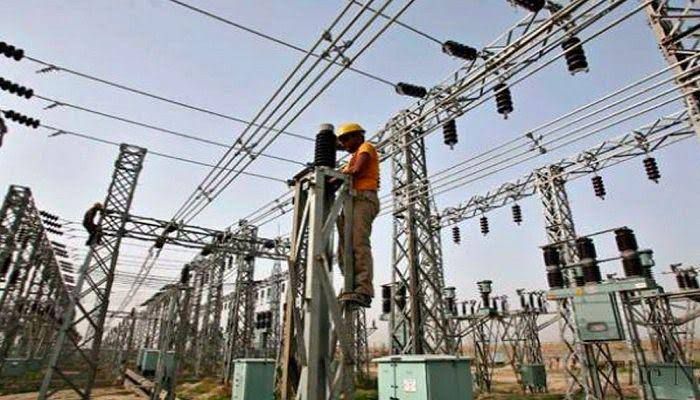
Since the privatisation of Nigeria’s power sector in 2013, the federal government is estimated to have injected more than ₦7 trillion into electricity generation, transmission and distribution. Yet, more than a decade later, Nigerians continue to grapple with erratic power supply and frequent nationwide blackouts.
In just the first month of 2026, the national grid collapsed twice, plunging major cities into darkness. These incidents underscore the persistent fragility of a sector that was expected to deliver stable electricity following privatisation.
Historically, power generation has at times fallen as low as 1,800 megawatts, while ageing transmission and distribution infrastructure has remained a major bottleneck. Although Nigeria’s electricity challenges predate the return to democracy in 1999, the liberalisation of the sector raised hopes that private investment would finally fix the problem.
That optimism informed the Electric Power Sector Reform Act of 2005, which transformed NEPA into the Power Holding Company of Nigeria (PHCN) and later broke it into 18 successor companies—six generation companies, one transmission company and 11 distribution companies. By 2013, PHCN was fully dissolved and its assets handed over to private investors.
Costly interventions, limited results
Successive administrations since 1999 have prioritised power sector reforms, recognising electricity as central to economic growth.
From President Olusegun Obasanjo to President Bola Ahmed Tinubu, each government introduced policies, loans and intervention programmes aimed at boosting supply.
These efforts include billions of dollars in loans under the Muhammadu Buhari administration, the Siemens power deal intended to raise grid capacity to 25,000MW by 2025, and multiple Central Bank of Nigeria intervention funds. Yet, most of these initiatives have failed to deliver their promised outcomes.
Currently, electricity generation companies are demanding payment of over ₦4 trillion in accumulated debts, largely arising from unpaid subsidies and tariff shortfalls. At the same time, the federal government is overseeing another $500 million World Bank–supported Distribution Sector Recovery Programme (DISREP), aimed at improving metering and network efficiency.
Unfulfilled promises and recurring scandals
Over the years, ministers of power have made bold promises—ranging from ending outages within months to achieving near-constant electricity supply.
However, many tenures ended with little improvement and, in some cases, allegations of corruption.
From controversies surrounding the Mambilla Hydropower Project to unresolved issues from the National Integrated Power Projects, the sector has been plagued by weak oversight, policy inconsistency and poor execution. Several former ministers have faced investigations or trials over alleged mismanagement of funds meant to revive the sector.
Structural weaknesses and corruption
Industry experts argue that Nigeria’s problems stem from incomplete privatisation. While generation and distribution were handed to private investors, transmission remains fully government-owned, creating inefficiencies and continued dependence on public funding.
Analysts also point to under-capitalised distribution companies, weak regulation, electricity theft, vandalism of infrastructure and persistent tariff disputes. According to stakeholders, corruption and political interference have repeatedly undermined reforms, regardless of the volume of funds injected.
Tariffs, subsidies and the FAAC debate
Electricity tariffs set by regulators have often remained below the actual cost of production, leaving the federal government to shoulder the difference through subsidies. Recent tariff adjustments, particularly for Band A customers, were introduced to reduce the subsidy burden, but debts continue to mount.
A proposal to involve states and local governments in subsidy payments through deductions from FAAC allocations has divided experts. While some argue it could stabilise the market, others insist such deductions violate constitutional provisions and unfairly penalise states with limited access to the national grid.
Human cost of grid failures
For many Nigerians, grid collapses translate directly into economic losses and daily hardship. Small business owners, artisans and households recount damaged appliances, missed deadlines and rising costs of alternative power sources such as generators.
Many citizens question why decades of reforms and trillions of naira in spending have not produced reliable electricity, describing power supply as a luxury rather than a basic service.
The way forward
Experts say stabilising Nigeria’s power sector will require disciplined grid management, modern monitoring technologies, stronger gas supply arrangements and greater investment in off-grid and regional power solutions. Above all, they stress that without transparency, accountability and genuine political will, additional funding alone will not end Nigeria’s electricity crisis.
More than 20 years after democracy returned, and despite enormous financial commitments, Nigeria’s power sector remains a symbol of missed opportunities—an old problem repeatedly repackaged, but never fully resolved.