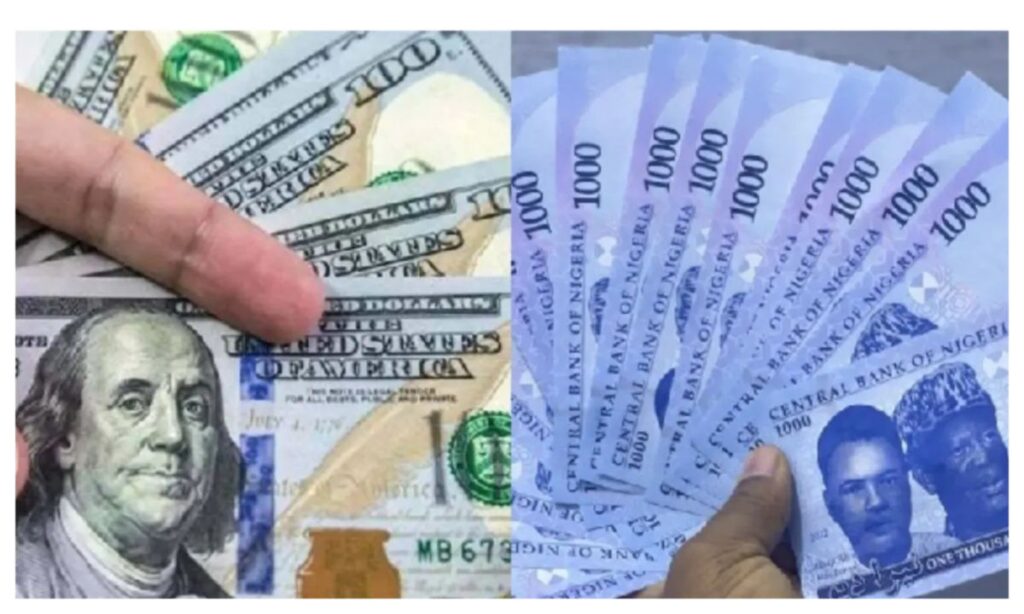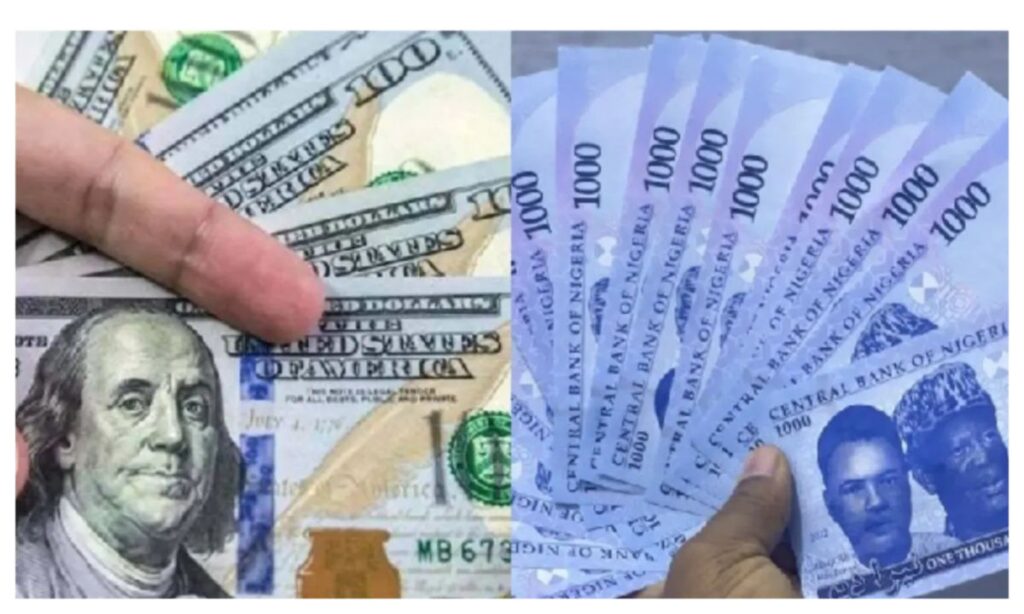
Naira Exchange Rate Today: Official Market Records Further Decline
The Nigerian naira continued its downward trend against the United States dollar on Thursday, June 18, 2026, marking its third consecutive depreciation at the official foreign exchange market this week.
According to data released by the Central Bank of Nigeria (CBN), the naira weakened to N1,363.30 per dollar, compared to N1,360.07 per dollar recorded on Wednesday. This represents a daily loss of N3.23, highlighting persistent pressure on the country’s foreign exchange market.
The latest decline comes despite recent positive economic indicators, including a significant increase in Nigeria’s foreign reserves, which have climbed to $50.96 billion as of June 17, 2026.
Black Market Exchange Rate Remains Stable
While the official market witnessed further depreciation, the parallel market, commonly known as the black market, remained relatively stable.
Currency traders in major commercial hubs reported that the dollar exchanged at approximately N1,400 per dollar, unchanged from the previous day’s rate.
The stability in the parallel market contrasts with the volatility observed in the official foreign exchange window.
The gap between the official and parallel market rates continues to attract attention from investors, businesses, and policymakers monitoring Nigeria’s foreign exchange landscape.
Why Is the Naira Depreciating?
Financial analysts attribute the continued weakness of the naira to several factors, including:
Persistent demand for foreign currency by importers and manufacturers.
Global economic uncertainties affecting emerging market currencies.
Fluctuations in international oil prices.
Ongoing pressure on foreign exchange liquidity despite improvements in reserves.
Although Nigeria’s external reserves have increased significantly in recent months, experts note that reserve growth alone may not immediately translate into currency appreciation without corresponding improvements in foreign exchange inflows and market confidence.
Foreign Reserves Hit Multi-Year High
One of the most notable developments in Nigeria’s economic outlook is the steady rise in the country’s foreign reserves.
The reserve position reaching $50.96 billion reflects improved oil earnings, increased foreign inflows, and monetary policy measures implemented by the Central Bank of Nigeria. Strong reserves are generally viewed as a buffer against external economic shocks and provide the apex bank with greater capacity to support the naira when necessary.
Economists believe sustained reserve growth could help stabilize the foreign exchange market over the medium term if accompanied by increased exports and foreign direct investment.
Outlook for the Naira
Market participants are closely watching the Central Bank’s next policy moves as pressure on the naira persists. While the currency recorded gains earlier in the week, the recent three-day decline suggests that challenges remain in achieving sustained exchange rate stability.
Experts expect exchange rate movements in the coming weeks to be influenced by:
Foreign portfolio investment inflows.
Crude oil production and export earnings.
Monetary policy decisions by the CBN.
Global economic and financial market conditions.
For businesses, investors, and individuals involved in international transactions, monitoring daily exchange rate developments remains essential as the Nigerian economy continues to navigate evolving market dynamics.