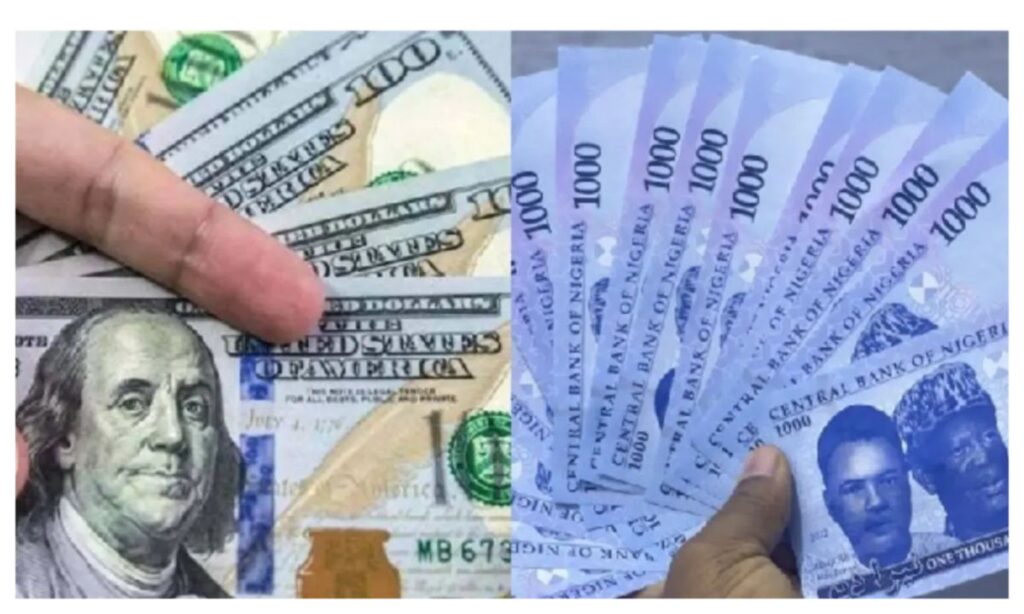
The Nigerian naira recorded its highest depreciation against the United States dollar in two weeks, extending its recent losing streak at the official foreign exchange market despite an increase in the country’s external reserves.
According to data released by the Central Bank of Nigeria (CBN), the naira weakened to N1,380.08 per dollar on Wednesday, June 24, 2026, compared to N1,370.64 per dollar recorded on Tuesday. This represents a daily loss of N9.44, highlighting the continued pressure on Nigeria’s local currency.
Naira Continues Downward Trend
The latest decline marks another setback for the naira, which has struggled to maintain stability amid fluctuating foreign exchange demand and market uncertainties. Currency analysts note that sustained demand for dollars by importers, businesses, and investors remains one of the major factors influencing exchange rate movements.
The depreciation reflects ongoing challenges in Nigeria’s foreign exchange market, where the balance between dollar supply and demand continues to determine the value of the naira.
Black Market Exchange Rate Remains Stable
While the official market recorded a significant decline, the parallel market remained relatively stable. Checks across several Bureau De Change (BDC) operators showed that the dollar traded at approximately N1,400 per dollar, unchanged from the previous day’s rate.
The stability in the black market suggests that traders are closely monitoring developments in the official market before making significant adjustments to exchange rates.
External Reserves Rise Above $51 Billion
Despite the naira’s depreciation, Nigeria’s external reserves continued their upward trajectory. The country’s foreign reserves increased to $51.17 billion as of June 23, 2026, reflecting improved foreign currency inflows and stronger reserve buffers.
Economic experts believe that growing reserves could provide the Central Bank with additional capacity to support the foreign exchange market and strengthen investor confidence. However, they also note that reserve growth alone may not immediately translate into exchange rate stability without broader economic reforms and increased foreign exchange liquidity.
What This Means for Nigerians
The weakening naira has direct implications for businesses and consumers. A stronger dollar typically leads to higher import costs, which can contribute to increased prices of goods and services. Sectors heavily dependent on imported raw materials, machinery, and consumer products may face additional cost pressures.
For individuals, exchange rate fluctuations can affect travel expenses, international payments, tuition fees abroad, and the overall cost of living.
Outlook for the Foreign Exchange Market
Market observers will continue to watch the Central Bank’s policy actions, external reserve performance, foreign investment inflows, and global economic trends to determine the future direction of the naira.
Although rising reserves provide a positive signal for the economy, sustained stability in the foreign exchange market will likely depend on increased dollar liquidity, stronger export earnings, and continued economic reforms.
As the naira remains under pressure, stakeholders across Nigeria’s financial sector will be closely monitoring developments in the coming weeks to assess whether the local currency can regain momentum against the dollar.