
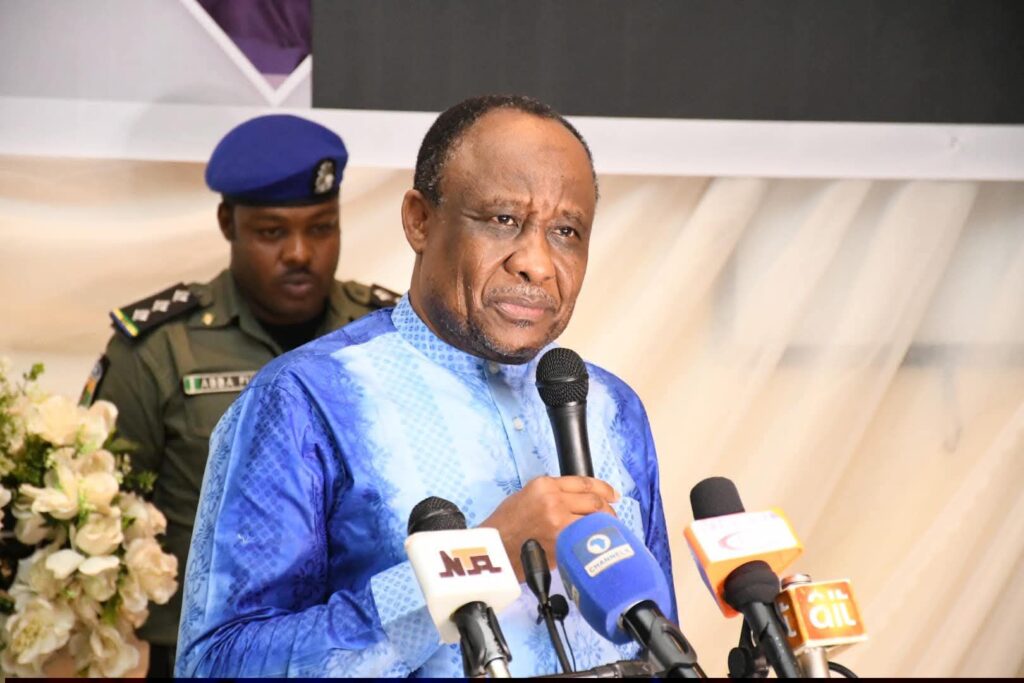
The North East Development Commission (NEDC) has announced an ambitious plan to deploy 10,000 electric vehicles (EVs) across the North-East geopolitical zone, marking a major milestone in the region’s transportation and economic development agenda.
The initiative is designed to improve access to affordable transportation, create employment opportunities, promote environmental sustainability, and stimulate economic activities across the six states of the North-East. It also reflects the Commission’s commitment to delivering innovative, people-centered development programmes capable of addressing long-standing socio-economic challenges in the region.
The programme is being implemented under the leadership of Dr. Mohammed Goni Alkali, Managing Director and Chief Executive Officer of the NEDC, as part of the North-East Stabilisation and Development Master Plan (NESDMP). It also aligns with the Federal Government’s Renewed Hope Agenda championed by President Bola Ahmed Tinubu, GCFR, which emphasizes economic diversification, infrastructure development, clean energy, and inclusive growth.
A New Era for Transportation in the North-East
For many communities in the North-East, especially rural and semi-urban areas, transportation remains one of the biggest barriers to economic growth and social development. Poor road connectivity, rising fuel prices, and limited public transport options have continued to affect access to markets, schools, healthcare facilities, and employment opportunities.
The NEDC’s electric vehicle programme seeks to address these challenges by introducing modern, energy-efficient, and environmentally friendly transportation solutions. The initiative is expected to make mobility more affordable while reducing the operating costs associated with conventional fuel-powered vehicles.
By encouraging the adoption of electric mobility, the Commission is also contributing to Nigeria’s broader efforts to embrace cleaner energy technologies and reduce carbon emissions.
Creating Thousands of Jobs and Business Opportunities
Beyond improving transportation, the programme is expected to generate significant economic benefits throughout the region.
The deployment of 10,000 electric vehicles is projected to create thousands of direct and indirect jobs in areas such as vehicle operations, maintenance, charging infrastructure, technical support, logistics, and related services. Youths, transport operators, artisans, technicians, and small business owners are expected to benefit from the numerous opportunities that the initiative will create.
The programme is also expected to strengthen local economies by supporting entrepreneurship, increasing productivity, and expanding access to commercial activities within communities.
Supporting Sustainable Development
One of the major highlights of the initiative is its emphasis on environmental sustainability.
Electric vehicles produce significantly lower emissions than conventional petrol or diesel-powered vehicles, making them an important component of global efforts to combat climate change. Their adoption can also reduce dependence on fossil fuels while lowering transportation costs over time.
As Nigeria continues to explore renewable energy solutions, the NEDC initiative demonstrates how regional development programmes can contribute to national environmental objectives while improving the quality of life for citizens.
Leadership Focused on Innovation
Since assuming office, Dr. Mohammed Goni Alkali has consistently emphasized innovative and sustainable development strategies aimed at rebuilding the North-East after years of insurgency and economic disruption.
Under his leadership, the Commission has expanded investments in infrastructure, education, healthcare, agriculture, entrepreneurship, renewable energy, and humanitarian interventions. The electric vehicle programme represents another strategic investment intended to accelerate long-term economic recovery and improve living standards across the region.
The initiative complements other interventions already undertaken by the Commission to promote inclusive development and strengthen community resilience.
Federal Government Endorses the Initiative
In a significant development, President Bola Ahmed Tinubu has approved the replication of the electric vehicle programme across other regions of Nigeria through the country’s regional development commissions.
The approval reflects the Federal Government’s confidence in the NEDC’s development model and highlights the growing importance of clean transportation in Nigeria’s long-term economic and environmental strategy.
Expanding the initiative nationwide is expected to encourage wider adoption of renewable energy technologies, improve transportation systems, and support regional economic integration.
Expected Impact on Communities
Development experts believe the programme has the potential to transform transportation across the North-East by improving mobility, reducing travel costs, supporting local businesses, and expanding access to essential services.
Communities are also expected to benefit from increased commercial activities, improved connectivity, and new employment opportunities generated by the growing electric mobility ecosystem.
If successfully implemented, the initiative could become one of Nigeria’s largest regional clean transportation programmes and serve as a model for sustainable development across the country.
Looking Ahead
As preparations continue for the rollout, expectations remain high among stakeholders, transport operators, and residents who see the initiative as a practical solution to many of the transportation and economic challenges facing the region.
The planned distribution of 10,000 electric vehicles underscores the North East Development Commission’s commitment to delivering impactful development projects that improve livelihoods, encourage innovation, promote environmental sustainability, and support long-term economic growth.
The initiative represents more than the introduction of new vehicles; it symbolizes a broader vision of building a modern, resilient, and economically vibrant North-East where improved transportation serves as a catalyst for prosperity, inclusion, and sustainable development.