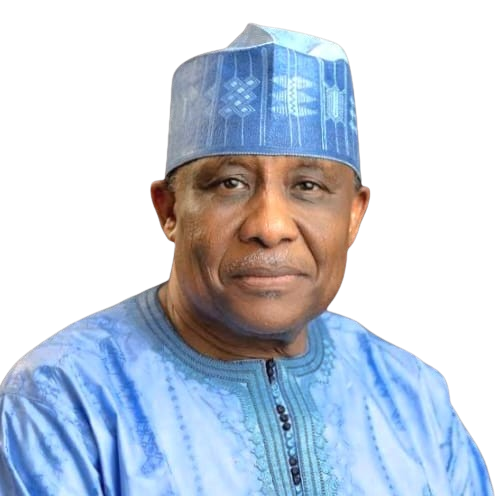
By Ibrahim Musa Mustapha
The North-East Development Commission (NEDC), under the leadership of its Managing Director and Chief Executive Officer, Dr. Mohammed G. Alkali, has continued to redefine post-conflict reconstruction and sustainable development across the six states of North-East Nigeria. Through strategic investments in infrastructure, education, healthcare, agriculture, renewable energy, and human capital development, the Commission is laying the foundation for a region that is resilient, productive, and economically competitive.
Driven by the vision of restoring hope and creating lasting opportunities, Dr. Alkali has championed projects that directly improve the quality of life of millions of citizens while addressing the developmental challenges caused by years of insurgency and neglect.
Expanding Access to Clean Water
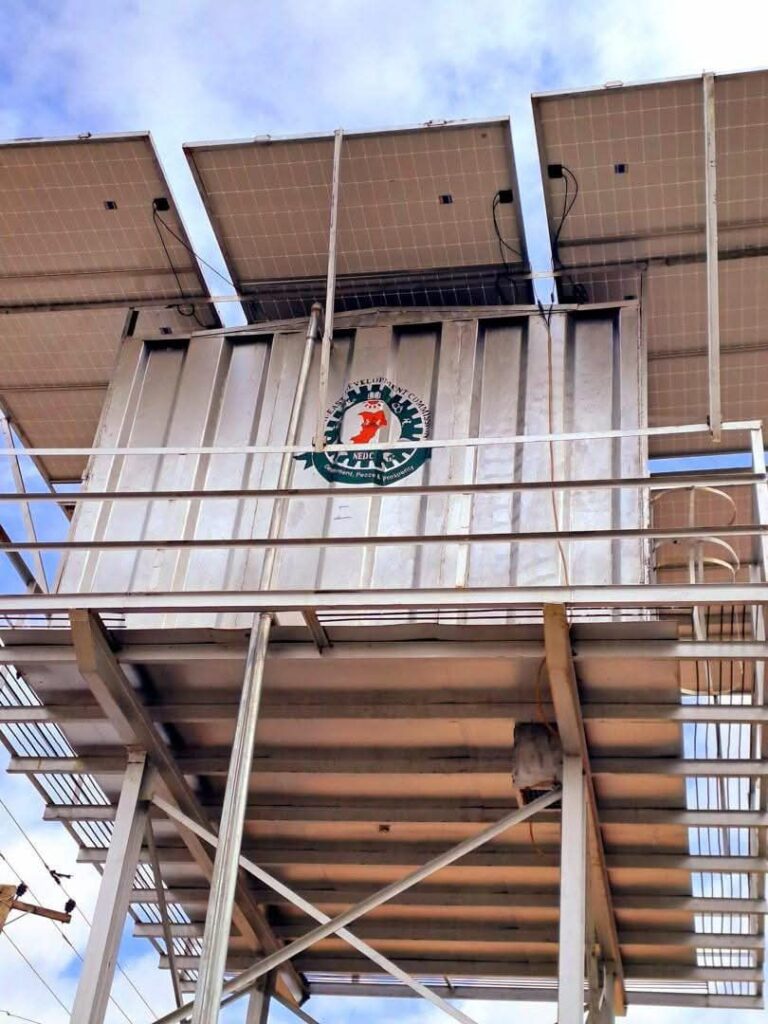
Access to clean and safe water remains a fundamental necessity for healthy communities. Under Dr. Alkali’s leadership, the NEDC has constructed and rehabilitated hundreds of solar-powered boreholes, motorised water schemes, and community water supply projects across urban and rural communities.
These interventions have reduced water scarcity, improved sanitation, lowered the incidence of waterborne diseases, and enhanced the livelihoods of women, children, and farmers who previously travelled long distances in search of water.
Transforming Education for Future Generations
Education remains one of the Commission’s highest priorities. Through extensive investments in educational infrastructure, the NEDC has renovated schools, constructed modern classrooms, supplied learning materials, provided ICT facilities, and improved the learning environment across the region.
Scholarship programmes, teacher training initiatives, and educational support have enabled thousands of students to continue their education despite economic hardship. These interventions are helping to produce a generation equipped with the knowledge and skills required for national development.
Strengthening Healthcare Delivery
Quality healthcare is essential for sustainable development. Under Dr. Alkali, the NEDC has supported the construction and upgrading of hospitals, specialist medical centres, accident and emergency units, primary healthcare facilities, and the supply of modern medical equipment.
Medical outreach programmes, support for maternal and child healthcare, and improved healthcare infrastructure have increased access to quality medical services, particularly in underserved communities recovering from conflict.
Rebuilding Roads and Bridges
Transportation infrastructure is central to economic growth. The Commission has undertaken the construction and rehabilitation of major roads and bridges that reconnect communities previously isolated by insecurity and flooding.
Projects such as the reconstruction of strategic bridges and regional road networks have improved access to markets, schools, healthcare facilities, and government services while stimulating commerce and investment across the North-East.
Lighting Communities Through Solar Energy
Recognising the importance of reliable electricity, the NEDC has invested significantly in renewable energy through the installation of solar-powered streetlights, mini-grids, and electrification projects.
These initiatives have improved security, extended business hours, enhanced public services, and reduced dependence on expensive and unreliable energy sources. Rural communities that previously had limited access to electricity are now experiencing improved economic activities and better living conditions.
Investing in Human Capital Development
Dr. Alkali believes that sustainable development begins with investing in people. Through various capacity-building programmes, vocational training, digital skills development, entrepreneurship support, and professional development initiatives, the Commission continues to equip thousands of young people and women with employable skills.
These programmes are creating a workforce capable of driving innovation, supporting economic diversification, and contributing meaningfully to national development.
Creating Employment Opportunities for the Less Privileged
Beyond physical infrastructure, the Commission has prioritised job creation by supporting youth employment, entrepreneurship, small businesses, and labour-intensive community projects.
Many unemployed graduates, artisans, women, and vulnerable persons have benefited from employment schemes, business support programmes, and skills acquisition initiatives that enable them to earn sustainable incomes and become economically independent.
Empowering Children and Vulnerable Families
The NEDC has consistently demonstrated its commitment to protecting vulnerable children through educational support, welfare programmes, school supplies, nutrition initiatives, and social intervention projects.
Special programmes aimed at displaced children, orphans, and vulnerable households have restored hope to thousands of families while ensuring that children have access to education, healthcare, and essential social services.
Boosting Agricultural Productivity
Agriculture remains the backbone of the North-East economy. Under Dr. Alkali’s leadership, the Commission has implemented large-scale agricultural empowerment programmes through the distribution of improved seeds, fertilizers, irrigation equipment, farming implements, livestock support, and mechanised agricultural equipment.
Farmers across the region have benefited from training, extension services, and agricultural inputs that have increased productivity, improved food security, generated employment, and strengthened rural economies.
Revolutionising Transportation Through Electric Vehicles
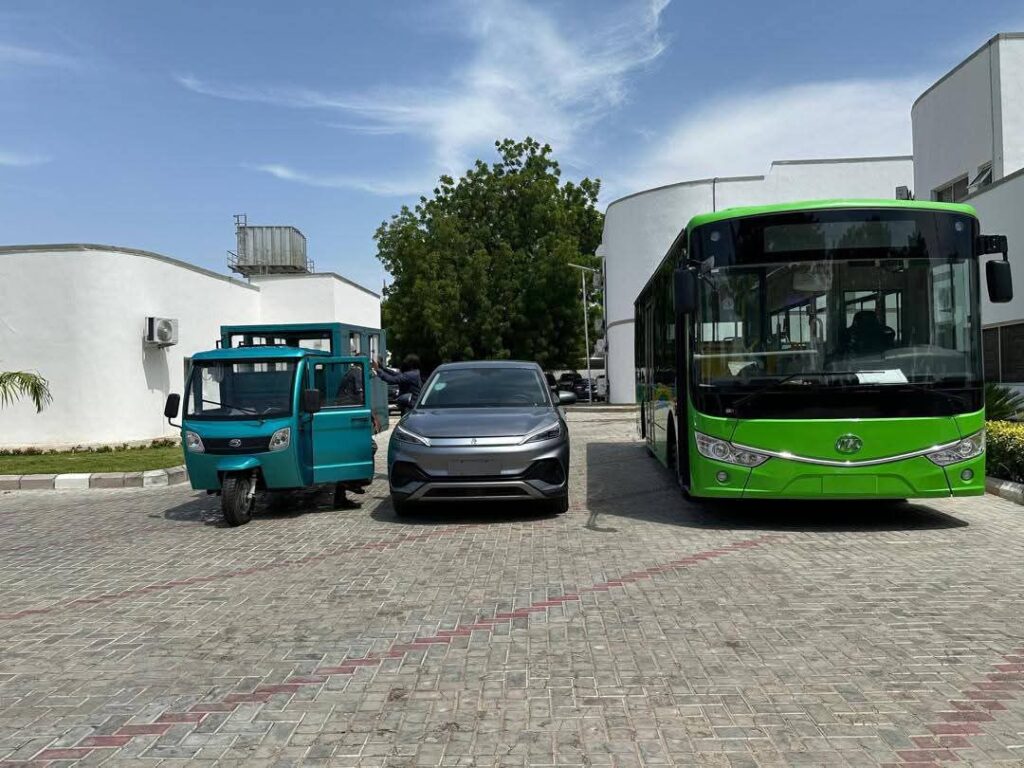
As part of its commitment to sustainable development and economic empowerment, the North-East Development Commission is set to launch a landmark Electric Vehicle (EV) initiative that will provide thousands of electric tricycles across the region. The programme is designed to ease transportation challenges, create employment opportunities for youths and women, reduce transportation costs, and promote clean, environmentally friendly mobility.
The initiative represents another bold step by Dr. Mohammed G. Alkali in introducing innovative, people-centred solutions that improve livelihoods while supporting Nigeria’s transition towards green energy and sustainable transportation.
Building a Sustainable Future
The achievements recorded under Dr. Mohammed G. Alkali represent more than infrastructure development, they reflect a comprehensive strategy for rebuilding lives, restoring dignity, and creating lasting prosperity.
By integrating investments in education, healthcare, water supply, agriculture, renewable energy, transportation, including the forthcoming Electric Vehicle programme and human capital development, the North-East Development Commission is establishing a solid foundation for inclusive growth and long-term regional stability.
In conclusion, Dr. Mohammed G. Alkali’s leadership has become synonymous with service, integrity, innovation, and results.
Through visionary planning and effective project implementation, he continues to transform the North-East from a region recovering from conflict into one positioned for sustainable economic growth and national relevance.
His legacy is visible not only in roads, bridges, hospitals, schools, water projects, and renewable energy initiatives, but also in innovative programmes such as the forthcoming Electric Vehicle scheme, which will improve mobility and expand economic opportunities for thousands of citizens.
As the Commission continues to deliver transformational programmes across the region, Dr. Alkali’s enduring legacy remains one of hope, resilience, and an unwavering commitment to building a brighter future for North-East Nigeria.