
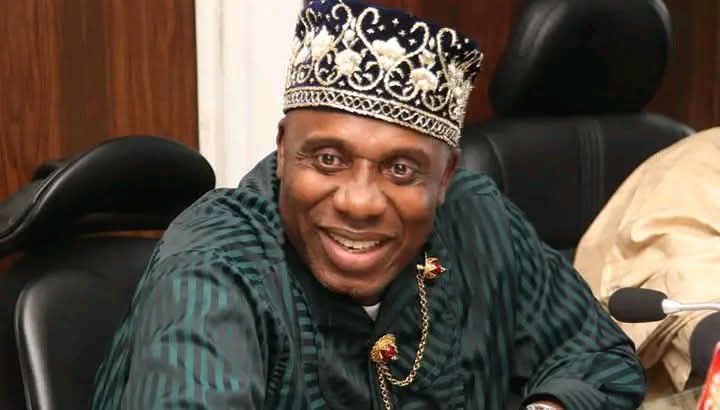
Former Governor of Rivers State, Chibuike Rotimi Amaechi, has expressed deep concern over Nigeria’s worsening economic conditions, stating that citizens across the country are struggling under the weight of rising living costs and economic uncertainty.
Speaking during an interview on Channels Television on Friday, Amaechi said “everybody is suffering,” as inflation, fuel costs, and basic commodity prices continue to surge nationwide. His comments come amid growing public frustration over the state of the economy under the administration of President Bola Ahmed Tinubu.
Economic Hardship Deepens in Nigeria
Amaechi painted a stark picture of daily life for millions of Nigerians, highlighting the increasing difficulty many face in affording essential goods such as food and fuel. He warned that the situation could worsen, particularly in the transportation sector, where rising operational costs may soon lead to higher fares, especially in aviation.
The former Minister of Transportation linked the current hardship to broader governance challenges, stressing that economic management must take priority over political considerations.
Muslim-Muslim Ticket Debate Resurfaces
Addressing political developments, Amaechi revisited the controversial Muslim-Muslim ticket adopted during the 2023 presidential election. He argued that religious considerations played a significant role in shaping the current administration, suggesting that such identity-based politics could have long-term implications for national unity and governance.
The Muslim-Muslim ticket debate remains a sensitive topic in Nigeria’s political landscape, with critics and supporters offering differing perspectives on its impact.
Call for Competence Over Ethnicity
Amaechi also weighed in on the issue of zoning and political participation, affirming that Atiku Abubakar has the constitutional right to contest for the presidency. However, he emphasized that leadership decisions should not be driven solely by ethnicity or regional interests.
According to him, Nigeria’s progress depends on prioritizing competence, leadership capacity, and national interest above all else.
Criticism of Campaign Promises
The former governor further criticised President Tinubu’s administration, stating that many of the promises made during the election campaign have not been fulfilled. He urged political leaders to focus on delivering tangible results that directly improve the lives of citizens.
Growing Political Discourse Ahead of Elections
Amaechi’s remarks add to the ongoing national conversation about governance, economic reforms, and political direction as Nigeria gradually approaches another electoral cycle. Analysts believe such statements reflect increasing political positioning among key figures ahead of future elections.