
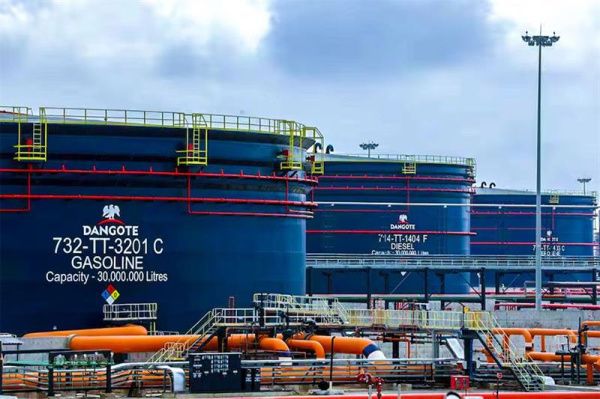
Nigeria’s fuel market has recorded another significant shift as Dangote Refinery announced a fresh increase in the ex-depot price of Premium Motor Spirit (PMS), commonly known as petrol.
The refinery raised its ex-depot price by N75, moving from N1,275 to N1,350 per litre, marking the first adjustment for May 2026. This latest hike comes barely a week after a similar increment, highlighting persistent volatility in the downstream petroleum sector.
Recent Price Adjustments Signal Upward Trend
The new price reflects a steady upward trajectory in fuel costs. Just seven days prior, the refinery had increased its ex-depot price from N1,200 to N1,275 per litre. That adjustment followed another N75 hike recorded on April 29, reinforcing concerns among consumers and industry stakeholders about sustained price increases.
Market analysts say the rapid succession of price changes suggests underlying pressure factors, including global crude oil price fluctuations, exchange rate instability, and distribution costs within Nigeria.
Impact on Retail Fuel Prices
With the ex-depot price now at N1,350 per litre, retail pump prices across Nigeria are expected to rise accordingly.
Independent marketers typically adjust their prices based on depot rates, logistics, and regional supply conditions.
For consumers, this could translate into higher transportation costs, increased prices of goods and services, and additional strain on household budgets.
Industry Reactions and Economic Implications
Stakeholders in Nigeria’s energy sector have expressed mixed reactions. While some argue that deregulation allows market-driven pricing necessary for sustainability, others warn that frequent hikes could worsen inflation and economic hardship.
Energy economists note that the operations of the Dangote Refinery—Africa’s largest single-train refinery—remain critical to Nigeria’s long-term fuel supply stability. However, they emphasize that pricing will continue to reflect both domestic realities and global oil market dynamics.
Outlook for Nigeria’s Fuel Market
The latest increase raises fresh questions about price stability in the coming months. Analysts suggest that unless there is a significant drop in crude oil prices or improvement in foreign exchange availability, Nigerians may continue to experience fluctuations in petrol prices.
As the situation evolves, industry watchers will closely monitor how marketers, regulators, and consumers respond to the changing pricing landscape.