
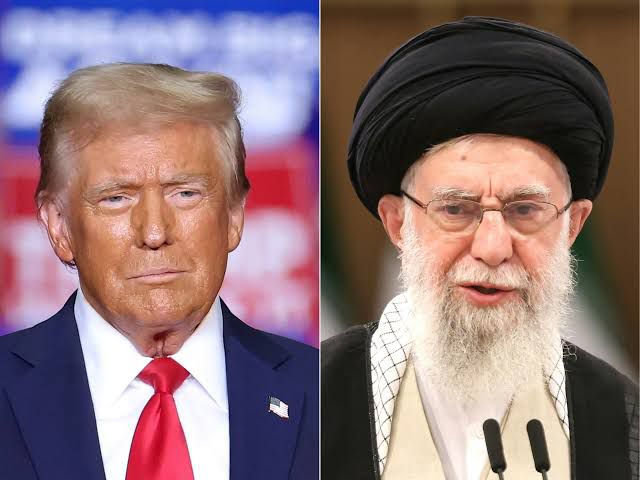
A major geopolitical escalation is unfolding in the Middle East after Donald Trump ordered the United States Navy to initiate a blockade of the strategically vital Strait of Hormuz, following a breakdown in nuclear negotiations with Iran.
In a statement released Sunday, Trump said diplomatic talks had made partial progress but ultimately failed to address what he described as the “central issue” — Iran’s nuclear ambitions. The directive authorizes U.S. naval forces to begin stopping and inspecting vessels attempting to transit the narrow waterway, one of the world’s most critical oil shipping lanes.
Strategic Waterway at the Center of Crisis
The Strait of Hormuz serves as a vital artery for global energy supplies, with a substantial share of the world’s crude oil passing through it daily. Any disruption to maritime traffic in the region is likely to have immediate and far-reaching consequences for international oil markets, shipping routes, and economic stability.
Trump described the blockade as a response to what he called “global extortion,” accusing Iran of leveraging threats—including alleged naval mines—to intimidate commercial shipping and extract unofficial payments for safe passage.
Military Orders and Maritime
Enforcement
According to the statement, U.S. forces have been instructed to interdict vessels suspected of engaging in unauthorized financial arrangements with Iranian entities. Trump warned that ships found violating the directive would not be guaranteed protection under international maritime norms.
Additionally, the U.S. Navy is expected to begin mine-clearing operations in the region, amid claims that explosive devices may have been deployed in key transit zones. The administration has also signaled that allied nations could join the enforcement effort, though no specific countries have been officially named.
Strong Warning Signals Potential Conflict
The announcement included a stern military warning, with Trump stating that any hostile action against U.S. forces or civilian vessels would be met with decisive retaliation. The rhetoric underscores the seriousness of the situation and raises concerns among international observers about the potential for armed confrontation.
Security analysts warn that even limited naval engagements in such a confined and heavily trafficked waterway could escalate quickly, drawing in regional and global powers.
Global Economic and Diplomatic Implications
Energy markets are closely monitoring the situation, as any prolonged disruption in the Strait of Hormuz could drive up oil prices and affect supply chains worldwide. Countries heavily dependent on Gulf oil exports may face immediate economic pressure.
Diplomatic channels are expected to intensify in the coming days as global stakeholders—including European and Asian economies—seek to de-escalate tensions and prevent a broader crisis.
Awaiting Iran’s Response
As of the time of this report, Iran has not issued an official response to the U.S. announcement. However, past confrontations in the region suggest that Tehran may view the blockade as a direct challenge to its sovereignty and regional influence.
Rising Uncertainty
The latest development marks a significant turning point in U.S.–Iran relations, with implications that extend far beyond the Middle East. With both military and economic stakes high, the international community now faces a critical moment that could shape global security dynamics in the months ahead.
This is a developing story. Updates will follow as more information becomes available.