
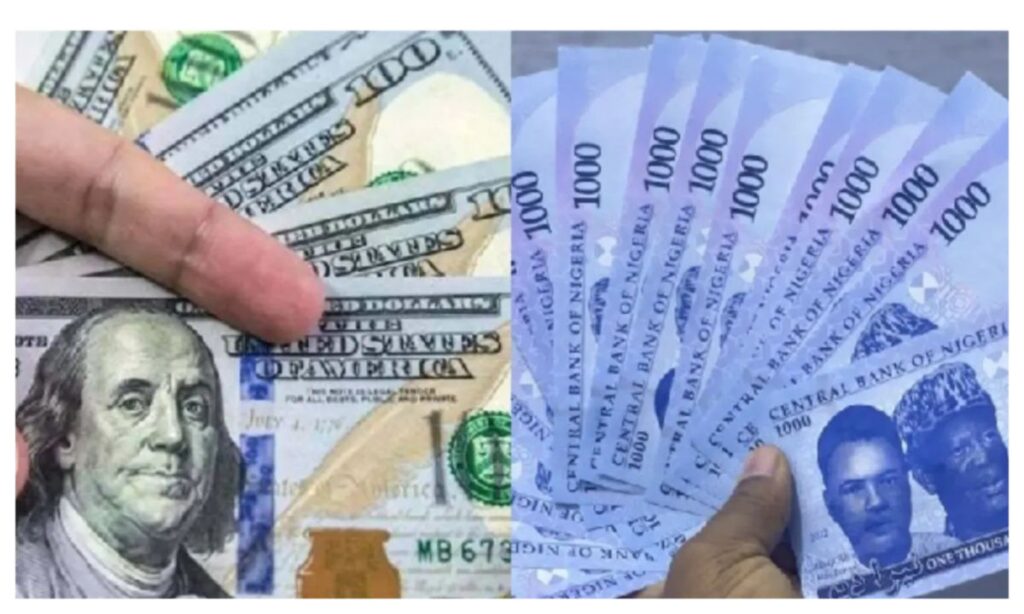
The Nigerian Naira maintained relative stability against the United States Dollar in early trading on Friday, April 10, 2026, across both the official and parallel foreign exchange markets, signaling a cautiously optimistic outlook for the local currency.
At the Nigerian Foreign Exchange Market (NFEM), which serves as the country’s official trading window, the Naira opened at approximately ₦1,361.75 per dollar. Early trading data indicated only marginal fluctuations, with the currency briefly strengthening to around ₦1,360.75 before settling back to its opening rate.
This steady performance reflects ongoing efforts by monetary authorities to stabilize the market, improve liquidity, and reduce volatility.
In contrast, the parallel market—commonly referred to as the black market—continued to trade at a premium. Reports from Bureau De Change operators in major commercial hubs such as Lagos and Abuja showed that the dollar was exchanged within a range of ₦1,450 to ₦1,470, depending on transaction volume and location.
The persistent gap between the official and parallel market rates remains a key concern for investors, businesses, and policymakers. Analysts attribute the current level of stability in the official market to consistent regulatory interventions and a gradual improvement in foreign exchange inflows. However, sustained demand for foreign currency—driven by international travel, payment of school fees abroad, and import-related transactions—continues to exert pressure on the Naira.
Market sentiment as of 6:45 AM WAT remains cautious, with traders and financial stakeholders closely watching closing rates to assess the currency’s trajectory as the market approaches the mid-month trading period.
Economists note that while short-term stability is encouraging, long-term confidence in the Naira will depend on broader economic reforms, increased export earnings, and continued efforts to unify exchange rates across all market segments.
As the week draws to a close, attention remains fixed on policy direction and external economic factors that could influence the Naira’s performance in the coming days.