
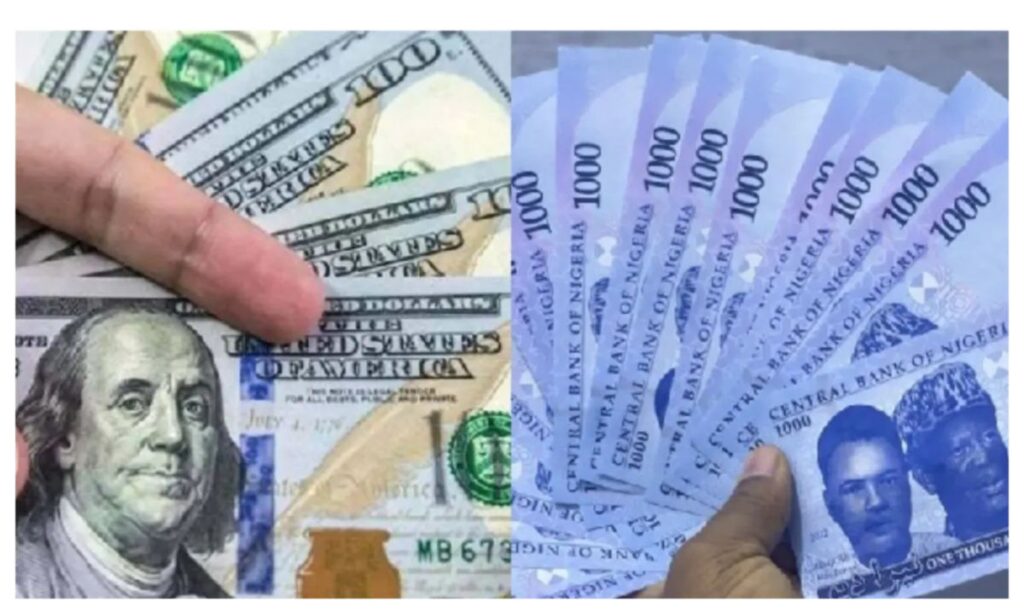
Nigerian Currency Gains Against Dollar in Black Market Despite Slight Dip in Official FX Window
The Nigerian naira recorded a modest gain against the United States dollar in the parallel market on Tuesday, signaling continued fluctuations in the country’s foreign exchange landscape.
According to market data, the naira appreciated to N1,389 per dollar in the parallel market, commonly referred to as the black market, compared to N1,400 per dollar recorded a day earlier. The improvement reflects a strengthening of the local currency by N11 against the dollar within a 24-hour period.
However, while the naira gained ground in the unofficial market, it experienced a slight depreciation in the Nigerian Foreign Exchange Market (NFEM), highlighting the mixed performance of the currency across different segments of the foreign exchange market.
Naira Records Marginal Decline in Official Market
Data released by the Central Bank of Nigeria (CBN) showed that the indicative exchange rate in the official market increased to N1,356.5 per dollar from N1,356 per dollar recorded on Monday.
The movement represents a marginal depreciation of 50 kobo for the naira in the official foreign exchange window.
Although the change was relatively small, it reflects the ongoing adjustments within Nigeria’s exchange rate system as policymakers continue efforts to stabilize the currency and improve liquidity in the foreign exchange market.
Exchange Rate Gap Narrows Significantly
One of the most notable developments was the reduction in the exchange rate gap between the parallel market and the official market.
The difference between both rates narrowed to N32.5 per dollar from N44 per dollar recorded the previous day.
Financial analysts often view a narrowing spread between official and parallel market rates as a positive indicator because it can help reduce speculative trading, improve market transparency, and boost investor confidence.
A smaller gap may also suggest improved access to foreign exchange through official channels, reducing pressure on the parallel market.
Factors Influencing Naira Performance
The value of the naira continues to be influenced by several economic factors, including:
Foreign exchange supply and demand dynamics
Crude oil prices and export earnings
Foreign direct investment inflows
Diaspora remittances
Monetary policy decisions by the Central Bank of Nigeria
Global economic conditions
In recent months, the CBN has introduced various reforms aimed at enhancing liquidity, attracting foreign investment, and improving confidence in Nigeria’s foreign exchange market.
What the Latest Exchange Rate Means
For businesses, importers, exporters, and investors, movements in exchange rates remain a critical economic indicator.
A stronger naira can help reduce the cost of imported goods, ease inflationary pressures, and improve purchasing power. Conversely, currency volatility can affect pricing, investment decisions, and overall economic planning.
Market observers will continue to monitor developments in both the official and parallel foreign exchange markets to assess the effectiveness of ongoing monetary and fiscal policies.
Outlook for Nigeria’s Foreign Exchange Market
Economic experts believe that sustained improvements in foreign exchange supply, increased export earnings, and stronger investor confidence will play key roles in supporting naira stability in the coming months.
While short-term fluctuations are expected, stakeholders remain focused on long-term reforms designed to create a more transparent and efficient foreign exchange market that supports economic growth and financial stability.