The North-East Development Commission (NEDC) is strengthening its international partnerships as part of its broader effort to accelerate the transformation and sustainable development of the North-East region.
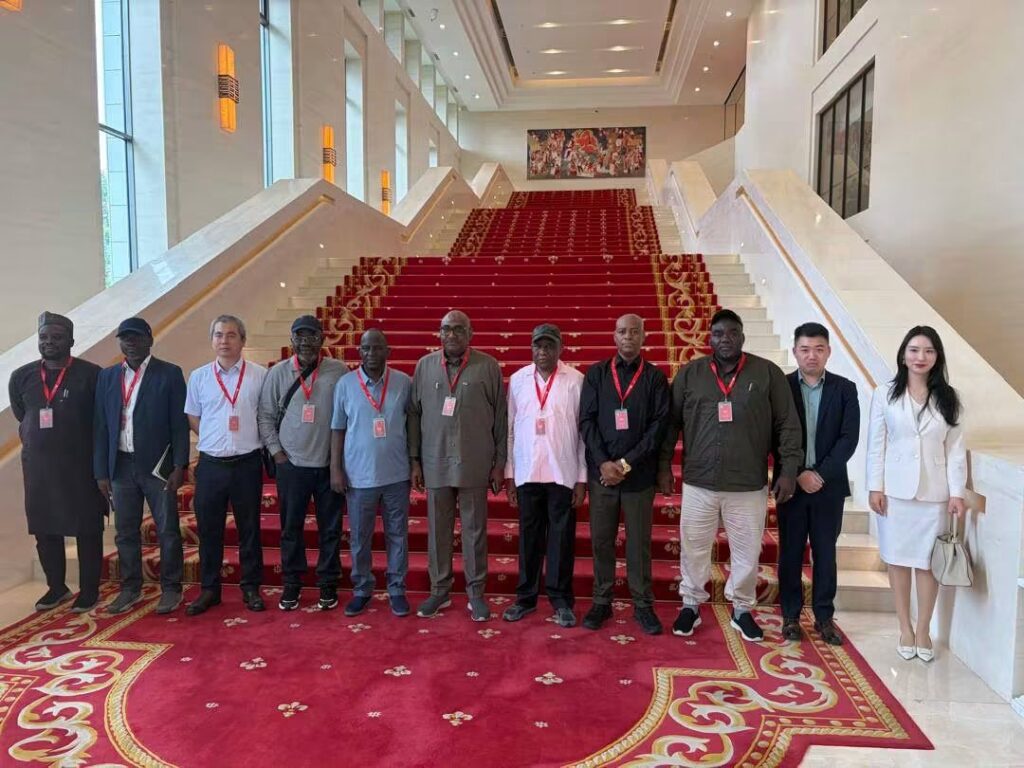
As part of the NEDC-China Engagement 2026, a high-level delegation led by the Honourable Minister of State for Regional Development, Alhaji Uba Maigari Ahmadu, visited key technology and manufacturing companies in Shenzhen, China, to explore opportunities for technology transfer, strategic partnerships and investment in critical sectors of the North-East economy.
The delegation included the Managing Director/Chief Executive Officer of NEDC, Alhaji Mohammed G. Alkali, the Chairman of the House Committee on North East Development, Hon. Usman Zanna, the Executive Director of Operations and other members of the NEDC Governing Board.
The engagements are particularly significant against the backdrop of the North-East Stabilisation and Development Master Plan (NESDMP), which provides a comprehensive framework for rebuilding the region, strengthening human capital, improving infrastructure and creating the conditions for sustainable economic growth.
Exploring Advanced Medical Imaging Technology
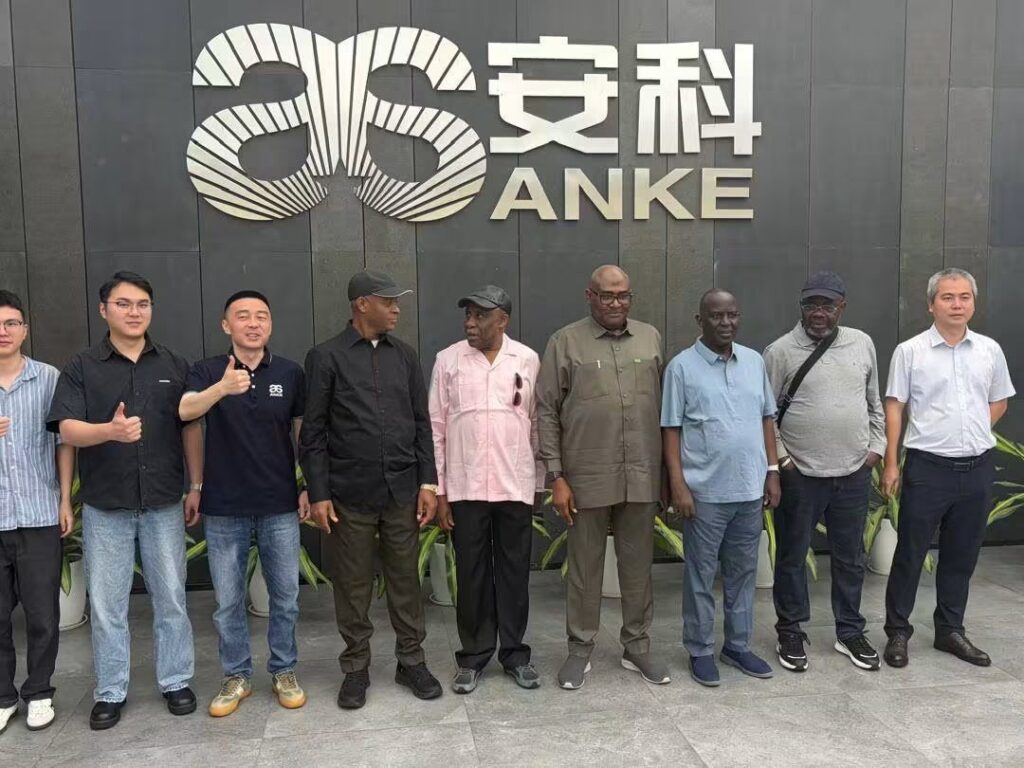
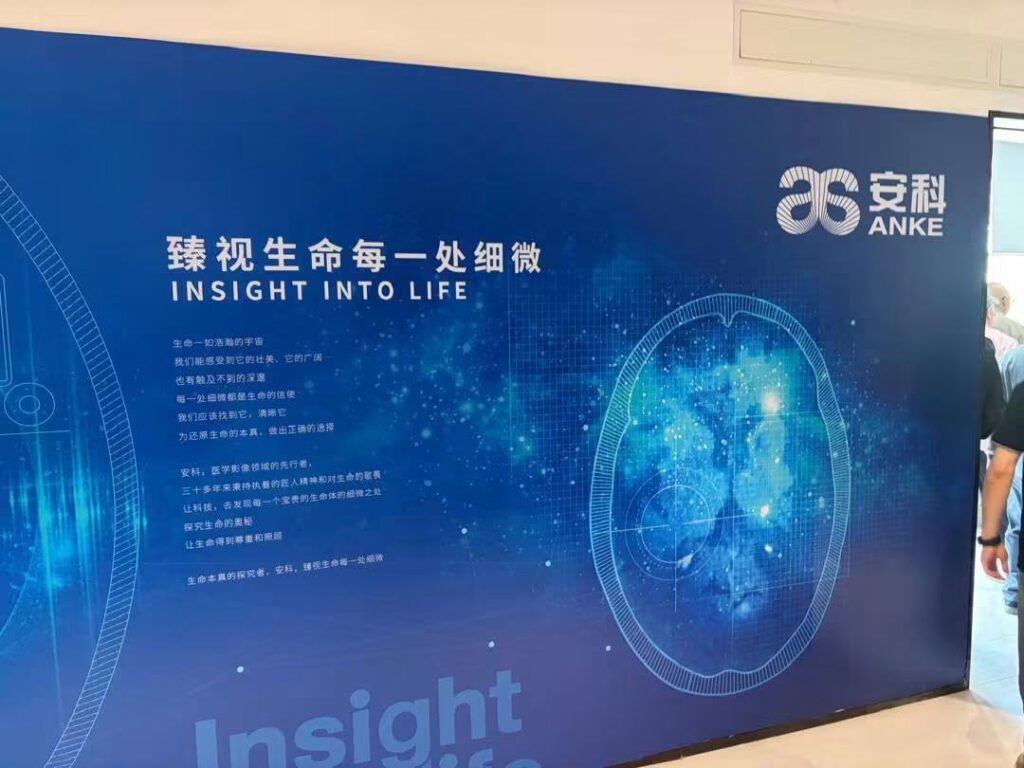
One of the major engagements was a visit to Shenzhen Anke High-Tech Co. Ltd, a leading Chinese company in the medical imaging industry.
The visit provided the delegation with an opportunity to gain first-hand knowledge of advanced medical imaging technologies and examine the range of equipment produced by the company.
During the tour, the delegation visited ANKE’s production facilities and reviewed various medical imaging systems, including Magnetic Resonance Imaging (MRI) machines, Computed Tomography (CT) scanners, Digital Radiography (DR) systems and Mammography equipment.
The engagement aligns strongly with the Health and Social Development dimension of the NESDMP, particularly its emphasis on improving access to quality healthcare, upgrading medical infrastructure and strengthening the capacity of health institutions across the North-East.
For a region that continues to require significant investment in specialised healthcare infrastructure, exposure to advanced medical equipment manufacturing presents opportunities beyond the procurement of machines. It opens discussions around technology transfer, equipment maintenance, technical training, local capacity development and long-term partnerships.
This approach could contribute to the development of stronger diagnostic services within the region, reducing the need for patients to travel outside the North-East for specialised investigations.
It also complements NEDC’s continuing investments in healthcare infrastructure, including the development and upgrading of specialised medical facilities across the six states of the region.
From Infrastructure Provision to Technology-Enabled Healthcare
The engagement also demonstrates an important evolution in NEDC’s development strategy.
While physical infrastructure remains essential, modern healthcare delivery increasingly depends on sophisticated technology, skilled personnel and reliable digital systems.
MRI, CT, digital radiography and mammography technologies can significantly enhance the ability of hospitals and diagnostic centres to detect and manage diseases at an earlier stage.
For the North-East, investment in such systems can therefore support not only healthcare delivery but also human capital development, productivity and social resilience.
A stronger healthcare system means healthier communities, a more productive workforce and improved conditions for students, farmers, entrepreneurs and other economic actors.
Huawei Engagement: Technology, AI and the Energy Transition
Later in the afternoon, the delegation proceeded to Huawei’s headquarters in Shenzhen, where it was received for another strategic engagement focused on digital technology, artificial intelligence and renewable energy.
The delegation undertook a guided tour of the Huawei Software and AI Solutions Capability Center, where it was exposed to the company’s technological capabilities in software, artificial intelligence and digital infrastructure.
The team also visited the Huawei Renewable Energy Showroom, which showcased technologies designed to support the transition towards cleaner and more intelligent energy systems.
Among the technologies examined were Smart Photovoltaic (PV) inverters, Energy Storage Systems (ESS) and AI-powered grid management solutions.
The engagement aligns with the Infrastructure and Energy priorities of the NESDMP, particularly the need to address the region’s energy deficit and expand access to reliable and sustainable electricity.
Renewable Energy as a Driver of Regional Transformation
Reliable electricity is fundamental to virtually every other pillar of regional development.
Agricultural processing, manufacturing, education, healthcare, digital services, small and medium-sized enterprises and household welfare all depend on dependable energy.
For the North-East, therefore, renewable-energy solutions such as solar photovoltaic systems, battery storage and intelligent energy-management platforms have the potential to address both the region’s electricity deficit and the challenges associated with expanding conventional power infrastructure.
The Huawei engagement is particularly relevant to the Commission’s broader renewable-energy ambitions, including its proposed large-scale investment in solar mini-grid infrastructure across the North-East.
By examining technologies already deployed in advanced energy markets, NEDC can explore models capable of supporting decentralised electricity generation, energy storage and smart distribution, particularly in communities and economic centres that remain inadequately served by the national grid.
Digital Transformation and the Knowledge Economy
The Huawei engagement also speaks directly to the NESDMP’s emphasis on Information and Communication Technology (ICT), innovation and human capital development.
Artificial intelligence and digital infrastructure are rapidly transforming the global economy.
For the North-East to compete effectively, its development agenda must therefore go beyond physical reconstruction to include digital skills, smart infrastructure, innovation and technology-enabled public services.
Exposure to Huawei’s AI and software capabilities provides an opportunity to examine how technologies such as artificial intelligence, data analytics, cloud computing and smart systems can be adapted to regional development.
Potential applications extend across healthcare, education, agriculture, security, transportation, public administration and energy management.
This creates an opportunity for NEDC to pursue partnerships that combine technology deployment with knowledge transfer and capacity building, ensuring that the region does not merely consume technology but develops the human expertise required to operate, maintain and eventually innovate around it.
Strengthening the NESDMP’s Integrated Development Approach
The significance of the China engagement lies in the interconnected nature of the sectors explored.
Healthcare, energy, technology, education and economic development are not isolated priorities. Progress in one sector can accelerate progress in others.
For example, reliable renewable electricity can improve the operation of hospitals and diagnostic centres.
Digital technologies can improve healthcare management and education. Better healthcare can strengthen human capital, while improved digital and energy infrastructure can support businesses and attract investment.
This integrated approach is consistent with the philosophy of the North-East Stabilisation and Development Master Plan, which seeks to move the region from post-conflict recovery and stabilisation towards sustainable economic transformation.
Building Partnerships Beyond Infrastructure
The NEDC-China Engagement 2026 also underscores the Commission’s growing focus on strategic partnerships rather than conventional project implementation alone.
Engagements with global technology and manufacturing companies can create opportunities for partnerships involving equipment supply, technical assistance, training, maintenance, technology transfer, investment and local capacity development.
Such partnerships can help ensure that investments made in the North-East deliver long-term value and create sustainable institutional capacity.
The participation of the Honourable Minister of State for Regional Development, the NEDC leadership, members of the Governing Board and the Chairman of the House Committee on North East Development further demonstrates the importance attached to building coordinated institutional support for the region’s development agenda.
Towards a Smarter, Healthier and More Sustainable North-East
The NEDC-China Engagement 2026 represents more than a study visit. It reflects an effort to identify practical technologies, partnerships and investment opportunities that can be adapted to the development realities of the North-East.
The visit to ANKE highlights the possibilities for strengthening specialised healthcare and medical diagnostics, while the Huawei engagement opens conversations around AI, digital transformation, renewable energy, energy storage and smart infrastructure.
Together, these engagements reinforce key NESDMP priorities, particularly:
Health and Social Development – through modern medical infrastructure and advanced diagnostic technology.
Energy and Infrastructure Development – through renewable energy, energy storage and smart-grid solutions.
Human Capital Development and Education – through technology-driven skills development and knowledge transfer.
ICT and Digital Transformation – through AI, software and smart technology solutions.
Economic Development and Investment – through international partnerships, technology transfer and opportunities for local enterprise development.
Peace, Stabilisation and Resilience – by strengthening essential services and creating the infrastructure and economic conditions necessary for sustainable stability.
Ultimately, the objective is not simply to bring new technologies into the North-East, but to harness technology as an instrument for rebuilding lives, strengthening institutions, creating jobs, improving public services and unlocking the region’s economic potential.
Through strategic international engagement and alignment with the NESDMP, NEDC is positioning the North-East to participate more effectively in the global technology, healthcare and clean-energy economy—helping to build a region that is healthier, digitally connected, energy-secure, economically productive and increasingly resilient.