
For Mrs. Alele Hamzat, a mother of four, preparing breakfast is no longer simply a routine household responsibility. It has become a daily exercise in budgeting, sacrifice and difficult choices.
A few years ago, breakfast in her home commonly included fried eggs, tea with milk and slices of bread. It was a modest meal, but one that provided her children with a combination of carbohydrates, protein and other nutrients.
Today, that breakfast has largely disappeared.
“We have forgotten about eggs and milk,” Hamzat said.
“Now, breakfast is plain boiled yam or cassava flakes, popularly known as garri, soaked in water. We only eat to survive, not to balance any diet.”
Her experience reflects a broader struggle facing households across Nigeria as the rising cost of food continues to reshape what families can afford to put on their dining tables.
Food affordability becomes a household crisis
Nigeria’s prolonged cost-of-living pressures have forced many households to rethink their food choices.
The combination of elevated food prices, currency pressures and increased transportation costs has made many basic food items considerably more expensive than they were several years ago.
For families already operating on tight budgets, the consequence is not simply buying less food. In many cases, it means changing the type and quality of food consumed.
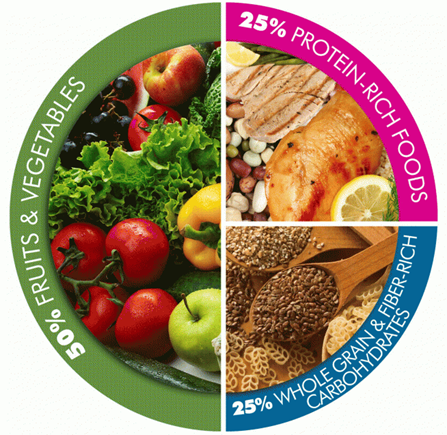
Protein-rich foods such as eggs, fish, meat, milk and beans are increasingly treated as occasional purchases rather than everyday components of a family meal.
Fresh vegetables and fruits can also become secondary priorities when households are primarily concerned with ensuring that everyone has enough food to eat.
The result is a gradual movement from nutrition-focused eating to hunger-focused eating.
The disappearance of the balanced plate
A balanced diet generally requires a combination of carbohydrates, proteins, healthy fats, vitamins, minerals and other essential nutrients.
However, when food prices rise faster than household incomes, families often prioritise foods that provide the greatest feeling of fullness at the lowest possible cost.
In many Nigerian households, this means greater dependence on foods such as garri, yam, cassava, rice and other starchy staples.
These foods remain important parts of the country’s traditional diet, but nutrition experts warn that relying too heavily on a narrow range of foods can reduce dietary diversity.
Mrs. Dorathy Agbede, who runs a restaurant, said the change is also visible among her customers.
“Before, I could sell a bag of rice and a substantial quantity of beans within a week,” she said.
“People also bought vegetable soup with assorted beef.
“But today, I hardly sell two mudu of beans or rice in a week.”
According to Agbede, the decline in purchasing power has affected both her business and her customers.
“Sometimes I give cooked food out to avoid it being wasted. Many customers are owing me. Some people who used to eat breakfast and lunch now eat only lunch.”
From three meals to survival meals
For generations, eating breakfast, lunch and dinner was considered a normal household routine for many Nigerian families.
But the economic realities facing many households have altered that pattern.
Some families now skip breakfast.
Others reduce lunch portions or eat only once a day. In some homes, adults sacrifice their own meals so that children can eat.
The objective is often straightforward: make whatever money is available last until the next income arrives.
For a family struggling to provide food for several people, the difference between buying eggs and buying garri can become significant.
Similarly, purchasing meat for soup may be replaced by buying a smaller quantity of fish, using less oil or preparing meals without animal protein altogether.
These decisions may appear small individually, but over time they can significantly affect dietary diversity.
When protein becomes a luxury
Protein is particularly vulnerable when household food budgets become stretched.
Tunde Adebayo, a civil servant and father, described how his family has adjusted its consumption of meat.
“We used to buy two kilos of beef every week,” he said.
“Now, we buy a single fish, break it into tiny pieces and use it just to add flavour to the soup.
The children don’t get actual pieces of meat anymore.”
His experience illustrates a common coping strategy: reducing the quantity of expensive ingredients while increasing cheaper staples.
For households with growing children, however, nutrition experts say adequate intake of protein and other micronutrients remains important for healthy growth and development.
Cheap food does not always mean healthy food
The pressure to reduce food expenditure can also encourage households to choose highly processed foods because they are convenient, readily available and sometimes cheaper upfront.
Instant noodles, processed seasonings, sugary drinks and other packaged foods have become familiar parts of the diets of many urban households.
The concern is not that these foods must never be consumed, but that financial hardship can make them substitutes for more diverse meals.
When families regularly replace fresh vegetables, fruits, legumes and protein sources with cheaper processed alternatives, the nutritional quality of their overall diet can decline.
Nutrition experts warn that such dietary changes can create long-term health consequences.
Nigeria faces a double nutrition challenge
The country’s food affordability problem is particularly concerning because malnutrition can take different forms.
On one side, vulnerable households may struggle to obtain enough calories and essential nutrients.
Children can be especially vulnerable to inadequate diets during critical stages of growth and development.
On the other side, diets dominated by highly processed foods, excessive salt, unhealthy fats and added sugars can contribute to an increased risk of diet-related non-communicable diseases.
This creates what health experts often describe as a double burden of malnutrition—undernutrition existing alongside overweight, obesity and diet-related illnesses within the same population, community or even household.
The consequences can extend beyond hunger.
Poor nutrition can affect children’s development, school performance and general wellbeing, while inadequate diets among adults can contribute to poor health and reduced productivity.
Women and children face particular risks
The impact of food insecurity can be especially serious for pregnant women, breastfeeding mothers and young children.
During pregnancy and early childhood, the body requires adequate amounts of protein, iron, folate and other essential nutrients.
When household resources are insufficient, families may struggle to provide the variety of foods needed during these critical periods.
For parents, however, the problem is often not a lack of awareness.
Many know that eggs, fish, vegetables, fruits, beans and other nutritious foods are important.
The problem is affordability.
As one parent put it, knowing what constitutes a healthy meal does not help much when the household budget cannot cover it.
Farmers are also caught in the crisis
The problem does not begin and end at the household level.
Farmers face rising costs for fertiliser, seeds, pesticides, machinery, transportation and labour. Poor roads and high logistics costs can further increase the price of moving agricultural produce from farms to markets.
Security concerns in some farming communities have also affected access to farmland and agricultural production.
These factors can combine to push food prices higher, creating a cycle in which consumers struggle with affordability while producers struggle with the cost of production.
Addressing food inflation therefore requires more than simply urging households to “eat healthy.”
Experts call for stronger food-system interventions
Nutrition and agricultural experts have consistently argued that improving access to healthy food requires coordinated interventions across the food system.
Measures that can help include improving agricultural productivity, making farm inputs more accessible, investing in rural roads and storage facilities, reducing post-harvest losses and strengthening transportation networks.
Securing farming communities is equally important because farmers cannot produce at full capacity when access to their farms is disrupted.
There is also a need for policies that protect vulnerable households from severe food insecurity while longer-term agricultural and economic reforms take effect.
Beyond filling the stomach
For many Nigerian families, food has become more than a question of preference.
It is a question of calculation.
How much rice can be purchased? Can the family afford beans this week? Should the money be used to buy eggs or transportation? Can meat be included in the soup, or will vegetables and seasoning have to be enough?
These decisions are being made every day in households across the country.
The danger is that when families repeatedly sacrifice dietary diversity to cope with rising prices, the consequences may not immediately appear on the dining table. They can emerge later in the form of poor child development, nutrient deficiencies and diet-related health problems.
For millions of Nigerians, therefore, the challenge is no longer simply what they would like to eat.
It is whether their income allows them to eat enough—and whether what they can afford provides the nutrients their families need.
Until food becomes more affordable and household purchasing power improves, the balanced Nigerian meal may remain out of reach for many families.