
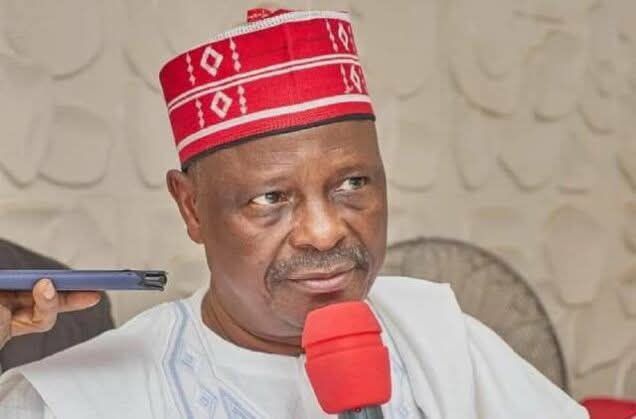
Fresh political alignments ahead of the 2027 general elections gained traction over the weekend as Rabiu Musa Kwankwaso, former Governor of Kano State and 2023 presidential candidate of the New Nigeria People’s Party (NNPP), finalised plans to defect to the African Democratic Congress—a move expected to significantly reshape the electoral dynamics.
It was gathered that Kwankwaso’s decision followed the conclusion of high-level negotiations with the ADC leadership, amid growing speculation about a possible alliance that could produce a joint presidential ticket involving Peter Obi.
Unless there are last-minute changes, Kwankwaso, who has formally resigned from the NNPP, is expected to officially join the ADC in Kano.
Sources revealed that while the development has unsettled the NNPP leadership, not all prominent figures within the party are prepared to follow him to the new platform, a situation that may trigger internal restructuring within the NNPP.
The National Publicity Secretary of the ADC, Bolaji Abdullahi, confirmed the development, noting that Kwankwaso’s entry would strengthen the opposition’s efforts to challenge the ruling All Progressives Congress.
Similarly, the Kwankwasiyya Movement, through its spokesperson Habib Mohammed, confirmed that all arrangements had been concluded.
Members across the country were directed to register with the ADC and actively participate in its activities.
He stated that Kwankwaso would formally register at his Kano residence, urging supporters to fully engage in building and advancing the party at all levels.
Meanwhile, party insiders disclosed that the NNPP leadership was not officially informed before the announcement by the Kwankwasiyya Movement, leaving many within the party surprised.
A senior party source explained that the announcement did not originate from the NNPP leadership, adding that the party would soon meet to determine its position, while reaffirming its commitment to remain active.
The source also noted uncertainty over whether Kwankwaso had secured any specific role within the ADC, stressing that such decisions would depend on zoning arrangements and the outcome of party primaries.
Providing further insight into the unfolding political calculations, the source highlighted differing views between Kwankwaso and Atiku Abubakar regarding power rotation. While Kwankwaso is believed to favour allowing the South additional time in the presidency, the Atiku camp is said to be pushing for an immediate return of power to the North.
Kwankwaso’s recent engagements with southern political figures, including Seyi Makinde and Peter Obi, are seen as part of broader consultations aimed at forming strategic alliances.
In his resignation letter, Kwankwaso described his exit from the NNPP as a difficult but necessary decision driven by the need for political realignment. He expressed gratitude to the party for the opportunity to serve as its national leader and presidential candidate in the 2023 elections.
He explained that the evolving political landscape required a shift toward a platform better positioned to deliver meaningful national change, while also appreciating party members for their support and pledging continued collaboration in the interest of national development.