The North-East region of Nigeria continues to pursue recovery, reconstruction and sustainable development following years of insecurity, displacement and economic disruption. At the centre of these efforts is the North-East Development Commission (NEDC), established to coordinate and facilitate the rehabilitation, reconstruction and development of communities affected by insurgency across Adamawa, Bauchi, Borno, Gombe, Taraba and Yobe states.
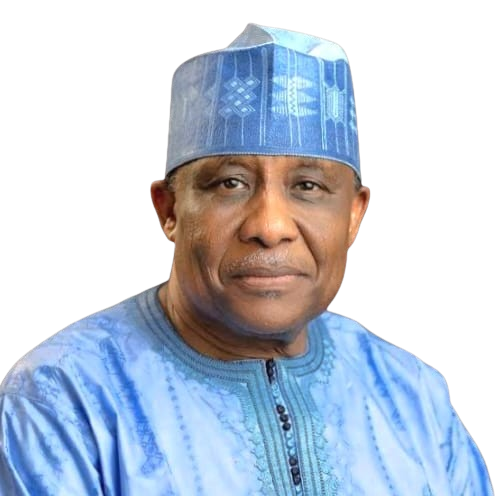
Under the leadership of Dr. Mohammed G. Alkali, Managing Director and Chief Executive Officer, the Commission has undertaken interventions spanning road infrastructure, education, healthcare, water supply, electricity, security infrastructure and community development. These achievements illustrate the scale of the reconstruction effort and the importance of moving from emergency recovery towards a more productive and economically connected region.
- Reconnecting Communities Through Roads and Bridges
One of the most significant areas of the NEDC’s interventions is the rehabilitation and construction of road infrastructure and bridges designed to improve access to communities, markets, farms and essential services.
The Commission has reported delivering more than 300 kilometres of roads and over 50 bridges across the six North-Eastern states. These interventions are intended to improve regional connectivity, reduce travel difficulties and facilitate the movement of agricultural produce and commercial goods.
Specific projects include the 32-kilometre Dabna Road in Adamawa State, the Kirfi–Gombe Abba Road in Bauchi State, the Ngom–Koshebe–Zabarmari corridor in Borno State, the 54-kilometre Mutai–Ngalda Road in Yobe State, and road and bridge interventions in Taraba State.
These projects demonstrate the practical importance of transport infrastructure in supporting agricultural production, expanding access to markets and reconnecting communities affected by years of conflict.
- Improving Security and Community Infrastructure
Peace and security remain essential foundations for sustainable development. In Borno State, the Commission has delivered projects designed to strengthen security infrastructure and support the restoration of public services.
Among the completed interventions are newly constructed police barracks and police stations in Konduga and Bama local government areas, together with perimeter fencing and gatehouses.
The Commission has also supplied substantial quantities of building materials to support reconstruction. Reported supplies included 4,000 bundles of roofing sheets, 500,000 nine-inch blocks, 300,000 six-inch blocks, 25,000 ceiling boards and 10,000 bags of cement, among other materials.
Such interventions contribute to rebuilding public infrastructure and creating conditions for communities to recover and resume productive activities.
- Advancing Education and Youth Development
Education is central to the North-East’s long-term recovery and prosperity. Schools provide young people with opportunities to acquire knowledge, develop skills and participate meaningfully in the region’s economic transformation.
The NEDC has reported completing 18 Mega Schools and 49 tertiary-institution projects. These interventions represent investments in educational infrastructure and institutional capacity.
In Yobe State, educational interventions include a 20,000-capacity model Mega School in Potiskum. Other projects include a solar-powered borehole and an ICT training centre at Yobe State University, as well as a phone-repair laboratory.
The Commission’s educational development efforts also include technical and vocational skills initiatives intended to prepare young people for employment, entrepreneurship and emerging industries.
These investments matter because the future of the North-East depends not only on physical reconstruction but also on developing a skilled, educated and productive population.
- Strengthening Healthcare Services
Healthcare development is another important dimension of the Commission’s work. Access to reliable medical services is essential to improving community well-being, reducing the burden of avoidable illness and strengthening the region’s capacity to respond to health emergencies.
In Borno State, completed interventions have included upgrading the Borno State Central Medical Store to pharmaceutical-grade standards, installing a solar-hybrid mini-grid and backup power, renovating female wards at the Federal Neuro-Psychiatric Hospital in Maiduguri, and constructing and equipping a modern clinic for the Department of State Services.
The Commission has also delivered improvements to the Dental Hospital and Eye Hospital in Maiduguri, including furnished wards and theatre facilities.
The NEDC has further expanded its healthcare development agenda through investments in advanced diagnostic capacity, including MRI and CT equipment. Among the reported investments are eight 1.5 Tesla helium-free MRI machines intended to support specialist healthcare delivery.
These interventions can improve access to diagnosis and treatment, reduce the need for some patients to travel outside the region and support the development of specialist medical services.
- Expanding Electricity Access and Public Lighting
Reliable electricity is vital for education, healthcare, commerce, security and industrial development. Solar energy and other decentralised power solutions can be particularly useful in communities where conventional electricity supply is limited.
The Commission’s reported achievements include the installation of more than 100,000 solar streetlights across the region under the Light Up the North-East initiative.
Solar-powered lighting can improve visibility at night, support commercial activities after sunset and strengthen the usability of public spaces. Solar installations at selected public facilities also provide alternative power for essential services.
The NEDC Governing Board has also approved a ₦100 billion investment in a 50-megawatt solar mini-grid programme across the region. The programme is intended to expand electricity access for homes, schools, hospitals, markets, agricultural clusters and industrial facilities.
Together, these initiatives reflect the importance of energy access to economic growth, public safety and improved service delivery throughout the North-East.
- Water Supply, Sanitation and Community Well-being
Access to safe water and adequate sanitation remains fundamental to public health and community development. The NEDC’s reported achievements include more than 100 completed water, sanitation and hygiene (WASH) facilities.
These facilities form part of the broader effort to improve access to essential services in communities affected by conflict and infrastructure deficits.
The Commission’s work in this sector highlights the importance of linking physical infrastructure with sustainable operation, maintenance and community participation. For water and sanitation projects to deliver lasting benefits, facilities must remain functional and accessible to the people who depend on them.
- Promoting Enterprise and Economic Opportunities
Infrastructure alone cannot deliver sustainable prosperity without a productive economy. Farmers, traders, artisans, small businesses and young entrepreneurs need access to reliable power, transportation, skills, finance and markets.
The NEDC’s development strategy increasingly emphasises economic expansion, industrialisation and enterprise development. The Commission’s Governing Board has approved a ₦30 billion NEDC–Bank of Industry MSME Development Fund intended to support micro, small and medium-sized enterprises through financing, training and business development services, with priority for youth- and women-owned businesses.
The long-term impact of this initiative will depend on implementation, access to financing and the ability of participating businesses to expand their operations and create employment.
If effectively implemented, such interventions could complement the Commission’s infrastructure investments by helping local businesses take advantage of improved connectivity, electricity and economic activity.
- New Investments in Regional Transportation
Beyond existing road and bridge projects, the Commission’s development agenda includes proposals aimed at improving regional transportation and trade.
Plans reported for the NEDC include a North-East Railway, a North-East Regional Airline and an electric-vehicle programme featuring electric taxis, minibuses and buses.
These initiatives are intended to improve connectivity, reduce transport barriers and create opportunities in logistics, tourism, maintenance, engineering and other related industries.
Their eventual contribution to regional development will depend on financing, implementation, technical feasibility and sustained operation.
The proposed transition towards electric mobility also presents opportunities for youth skills development, technology transfer, local assembly, vehicle maintenance and the growth of supporting industries across the region.
- Institutional Standards and Accountability
Sustainable development requires strong institutions capable of planning projects, managing resources and demonstrating measurable results.
The NEDC has reported attaining five ISO certifications covering areas including quality management, environmental management, occupational health and safety, anti-bribery and sustainable communities.
Such certifications can provide a framework for standardised processes and continuous improvement. Their practical value, however, depends on maintaining the relevant standards, applying them consistently and demonstrating improvements in service delivery, accountability and project outcomes.
Institutional strengthening is therefore an important part of ensuring that development interventions produce lasting value for communities throughout the North-East.
- Moving from Recovery to Sustainable Prosperity
The NEDC’s reported achievements illustrate the breadth of the region’s reconstruction and development agenda. Roads and bridges support connectivity; schools strengthen education; healthcare facilities improve access to medical services; solar lighting supports public spaces; and water and sanitation projects address essential community needs.
The next phase requires ensuring that these investments are functional, properly maintained and connected to wider economic opportunities.
This means tracking project completion and quality, measuring the number of people benefiting from interventions, supporting local employment, strengthening partnerships and ensuring that communities participate in identifying their development priorities.
It also means maintaining clear distinctions between completed projects, ongoing construction and initiatives that have only received approval. Transparent reporting helps the public understand progress and assess the value of development expenditure.
Conclusion: A Development Agenda for a More Prosperous North-East
Dr. Mohammed G. Alkali, as Managing Director and Chief Executive Officer of the North-East Development Commission, leads an institution with a substantial responsibility for supporting recovery and long-term development across six states.
The Commission’s reported delivery of roads, bridges, schools, healthcare facilities, solar streetlights and WASH facilities illustrates the range of interventions directed towards rebuilding communities and restoring essential services. Approved investments in renewable energy, enterprise finance and transportation also indicate an ambition to extend the development agenda beyond reconstruction towards economic expansion.
The enduring measure of transformational leadership is the extent to which these investments produce measurable and sustainable improvements in people’s lives. Continued attention to transparency, project quality, local participation, maintenance and economic opportunity will be essential to translating infrastructure delivery into lasting prosperity.
The vision of a peaceful, connected, educated and economically productive North-East requires collective commitment from public institutions, development partners, businesses and communities. By building on completed projects and implementing future initiatives responsibly, the NEDC can continue contributing to a region where recovery leads to resilience, opportunity and sustainable development.