Borno State is strengthening its partnership with the United Nations, development agencies, donor countries, international financial institutions and other stakeholders as it transitions from a predominantly humanitarian response to a broader phase of recovery, reconstruction, resilience and sustainable economic development.
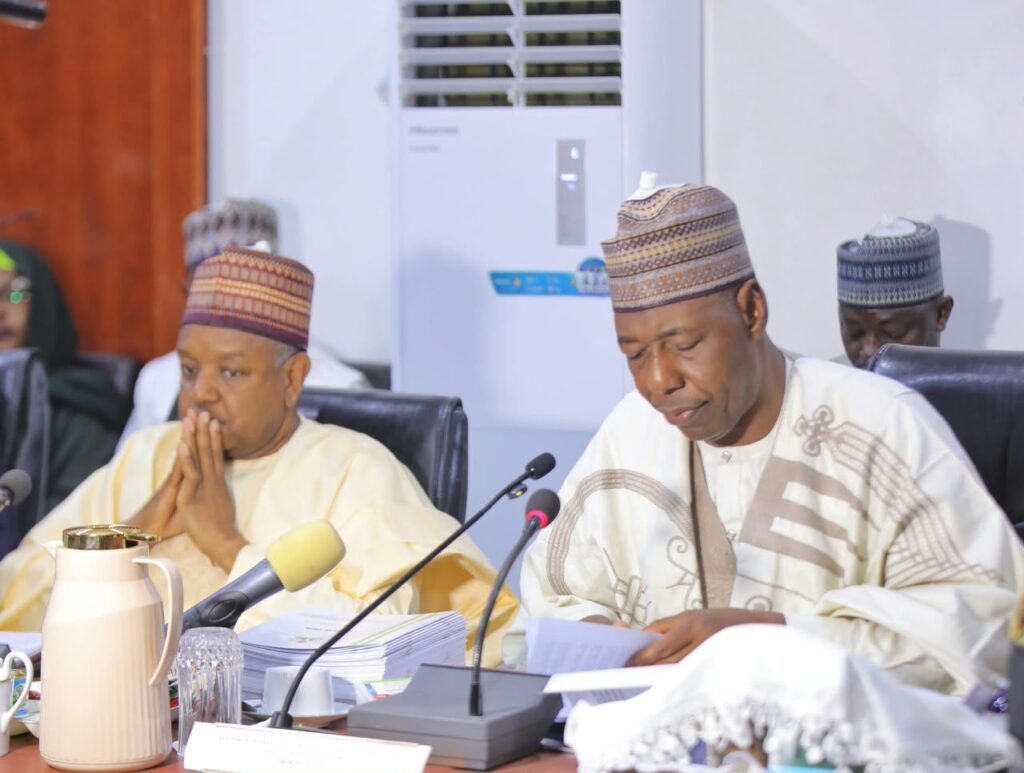
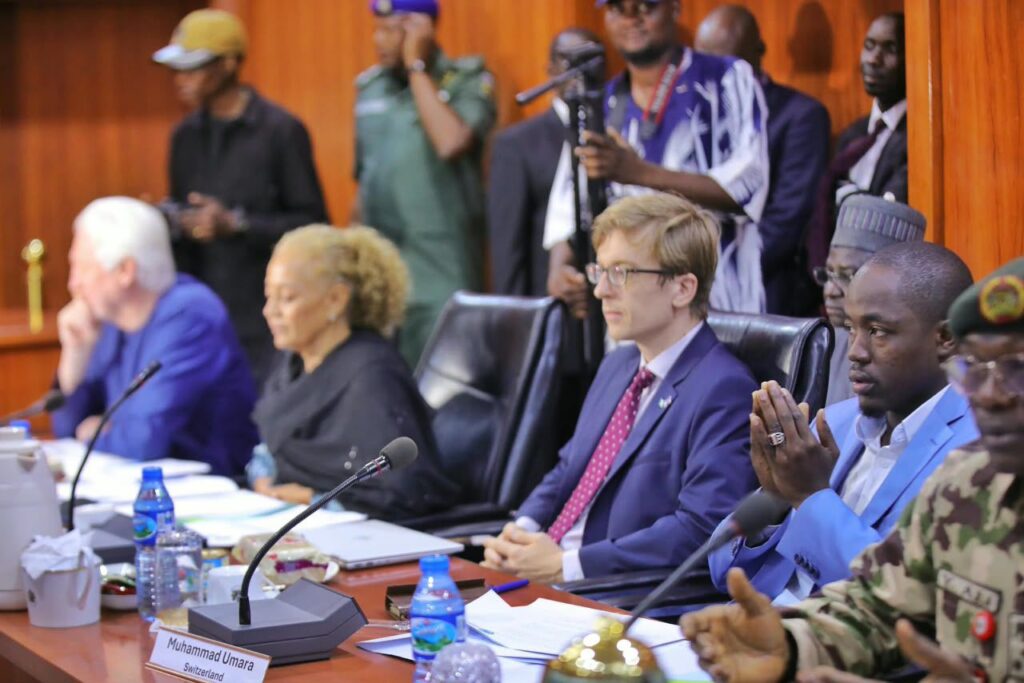
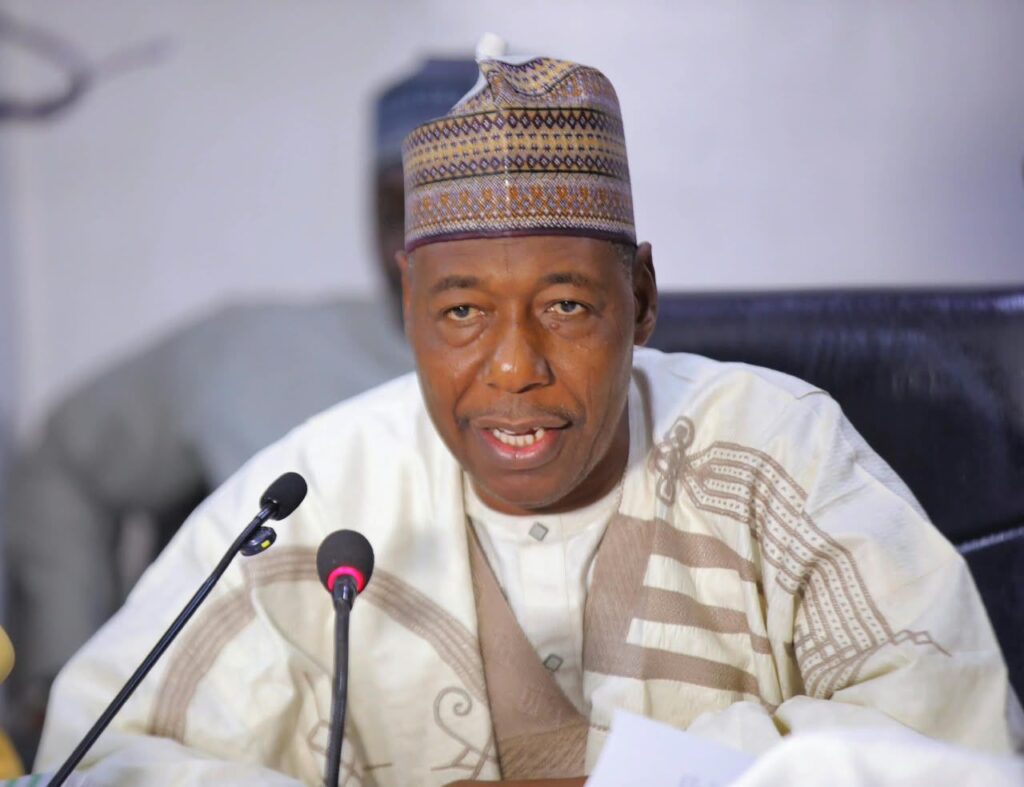
The commitment was reaffirmed on Thursday when Borno State Governor, Professor Babagana Umara Zulum, hosted the Fourth Project Board Meeting of the United Nations Offer to Support the Borno Model and the Steering Committee Meeting of the Peacebuilding Fund at the Council Chambers of the Government House in Maiduguri.
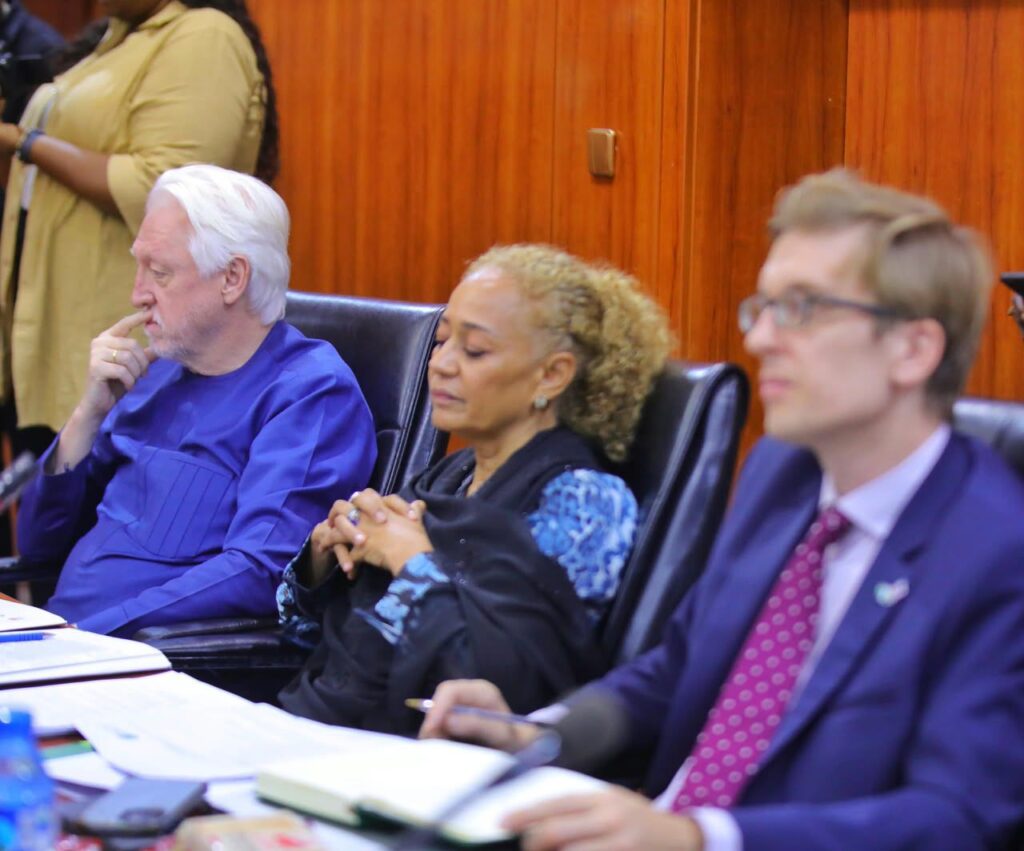
The high-level meeting brought together representatives of the Federal Government, United Nations agencies, development partners and donor organisations to review progress, strengthen coordination and identify opportunities for increased investment in Borno’s recovery and long-term development.
Zulum Calls for Greater Co-Investment in Borno
Governor Zulum called for a stronger framework of collaboration and co-investment involving the Borno State Government, Federal Government, United Nations, development partners, international financial institutions and the private sector.
He said the scale of challenges facing communities affected by more than a decade of insurgency requires partnerships that go beyond emergency humanitarian assistance and focus increasingly on sustainable livelihoods, infrastructure, human capital development and economic opportunities.
According to the governor, Borno has reached an important stage in its recovery journey where humanitarian interventions must be complemented by long-term development investments capable of creating lasting improvements in the lives of affected communities.
“We recognize that progress in Borno is a product of strong partnerships among the state government, the United Nations, development partners, communities, the Federal Government and other stakeholders,” Zulum stated.
He said the decision to hold the high-level meeting in Maiduguri was significant, describing Borno as a strategic centre of national and international efforts to promote peacebuilding, stabilization, recovery and sustainable development in the North-East.
From Humanitarian Response to Sustainable Development
The governor noted that interventions supported through the Peacebuilding Fund and the UN Offer have contributed to broadening the response to the crisis.
Rather than focusing exclusively on immediate humanitarian needs, the partnership has increasingly supported areas including reconciliation, reintegration, livelihoods, social cohesion, institutional strengthening and community resilience.
Zulum said these interventions are essential to ensuring that communities affected by displacement and conflict are not left dependent on humanitarian assistance indefinitely.
He explained that the state’s recovery strategy is centred on restoring basic services, rebuilding communities, strengthening institutions and creating the conditions necessary for displaced and returning residents to rebuild their lives with dignity.
Borno Model Legal Framework
One of the key achievements highlighted by the governor was the development of the Borno Model legal framework, which he described as an important outcome of collaboration between the state government and the United Nations.
According to him, the framework is expected to provide a stronger institutional foundation for peacebuilding, recovery, social cohesion and sustainable development.
The governor stressed that durable recovery requires not only physical reconstruction but also strong institutions, effective coordination, community participation and policies capable of addressing the underlying challenges created by prolonged conflict.
Investment in Jobs, Agriculture and Human Capital
Governor Zulum identified economic empowerment as a critical component of Borno’s next phase of recovery.
He called for greater investment in agriculture, small and medium-scale enterprises, vocational education, skills development, digital opportunities and value-chain industries.
He also highlighted the need to expand opportunities for women and young people, arguing that economic inclusion would strengthen household resilience while creating new sources of income for communities recovering from conflict.
“With the right investment in infrastructure, skills and enterprise development, Borno can move from being viewed primarily through the lens of crisis to being recognized as a center of economic opportunity in the North-East,” he said.
The governor’s position reflects the growing need to connect reconstruction with economic development by ensuring that rebuilt communities have access to productive assets, markets, education, healthcare, skills and employment opportunities.
More Than 70 Percent of State Budget Committed to Recovery
Zulum disclosed that the Borno State Government has committed more than 70 percent of its budget over the last seven years to areas directly connected to security, support for internally displaced persons and refugees, reconstruction and the restoration of essential services.
These investments, he said, have included the reconstruction of schools, houses, health facilities and markets, as well as livelihood opportunities for people affected by the insurgency.
The governor explained that the objective was not simply to rebuild physical structures but to restore dignity, strengthen resilience and create the foundation for lasting peace.
“Our collective objective must now be to build on what has been achieved, scale up what works, and ensure that the people of Borno fully benefit from the transition from humanitarian assistance to medium- and longer-term sustainable and durable solutions,” he said.
Federal Government Backs Long-Term Investment Approach
Minister of Budget and Economic Planning, Senator Abubakar Atiku Bagudu, supported the call for a stronger development-oriented approach to addressing the challenges of the North-East.
Bagudu said the challenges facing the region should not be viewed exclusively through the humanitarian lens, stressing that they also present opportunities for long-term investment and sustainable development.
He called for coordinated financing and stronger collaboration between the Federal Government, state governments, the United Nations and development partners.
The minister also commended Governor Zulum for what he described as trusted leadership and coordination in responding to the complex challenges confronting Borno and its people.
He acknowledged the contributions of the United Nations, development organisations and donor partners in supporting communities affected by the Boko Haram conflict.
UN, Development Partners Reaffirm Commitment
The United Nations Resident and Humanitarian Coordinator, Mr. Mohammed Malick Fall, and the UNDP Resident Representative, Ms. Elsie Attafuah, reaffirmed their commitment to supporting the Borno recovery process.
They commended the state government’s leadership and expressed readiness to continue working with relevant stakeholders to strengthen the implementation of programmes designed to promote peace, resilience, recovery and development.
Governor Zulum also acknowledged the contributions of Germany, the United Kingdom and Switzerland, as well as the Office of the National Security Adviser, the Armed Forces, the Nigeria Police Force, the Federal Ministry of Justice and other stakeholders involved in the recovery process.
Building a New Development Path for Borno
The Maiduguri meeting underscores a broader shift in the approach to Borno’s recovery — from emergency intervention towards sustainable development, economic inclusion and institutional resilience.
For Borno, the next phase will require sustained investment in infrastructure, education, healthcare, agriculture, skills development, enterprise, digital opportunities and community institutions.
It will also require strong coordination among government institutions, development partners, traditional and community leaders, the private sector and the people who are directly affected by the recovery process.
Governor Zulum reaffirmed that his administration would continue to provide the leadership, institutional support and coordination required to sustain partner-supported programmes and ensure that their benefits extend beyond the lifespan of individual projects.
The ultimate objective, he said, is to build a Borno where communities affected by conflict can recover with dignity, young people can access meaningful opportunities, businesses can grow, displaced families can return and communities can participate fully in the state’s economic and social development.
With stronger partnerships and sustained investment, the transition from humanitarian response to durable recovery could provide Borno with an opportunity not only to rebuild what was lost but also to establish a stronger foundation for inclusive growth and long-term prosperity across the state and the wider North-East.