

The North-East Development Commission (NEDC), under the leadership of its Managing Director and Chief Executive Officer, Dr. Mohammed Goni Alkali, is opening a new chapter in regional development through its Electric Vehicle (EV) Assembly Plant in Maiduguri, Borno State, and the proposed introduction of an electric vehicle transit system across the six states of the North-East.
The initiative represents more than an investment in modern transportation. It reflects an emerging development strategy that connects industrialisation, technological innovation, employment generation, entrepreneurship, environmental sustainability and regional economic growth.
At a time when the North-East continues to pursue recovery, reconstruction and economic revitalisation, the NEDC’s electric mobility programme presents an opportunity to move beyond conventional infrastructure development towards a more technology-driven and diversified economy.
Electric Vehicle Assembly Plant: A New Industrial Opportunity
The establishment of the Electric Vehicle Assembly Plant in Maiduguri represents an important step towards introducing modern automotive assembly activities into the North-East.
The facility provides an opportunity to develop local technical capacity, promote technology transfer and encourage participation in the emerging electric mobility industry.
Beyond assembling vehicles, the project could stimulate supporting industries such as vehicle maintenance, electrical engineering, battery diagnostics, spare-parts distribution, charging infrastructure and other technical services.
It also creates opportunities for young people to acquire practical skills in electric vehicle technology, mechanical and electrical systems, vehicle diagnostics and maintenance.
With sustained investment, strategic partnerships and the gradual development of local technical capacity, Maiduguri could emerge as an important centre for electric mobility activities in the region.
The long-term ambition should extend beyond vehicle assembly to encouraging local component production, indigenous technical expertise and the development of supporting businesses.
NEDC Electric Vehicle Transit: Transforming Transportation
A major component of the initiative is the proposed deployment of 10,330 electric vehicles across the six North-East states.
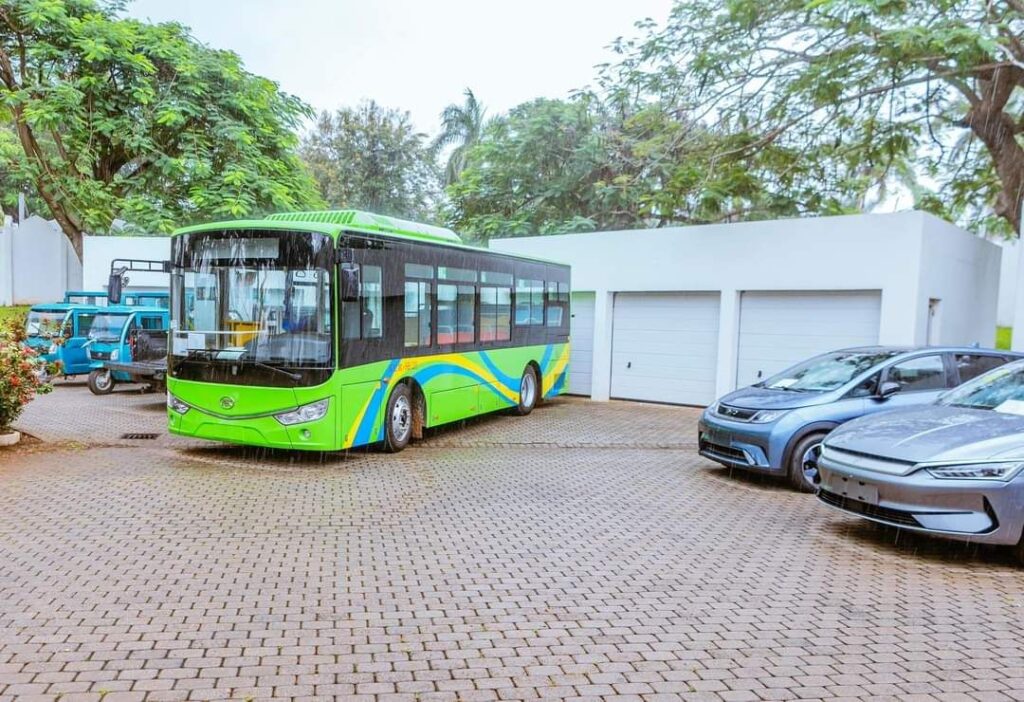
The proposed fleet comprises 10,000 electric tricycles, 300 electric taxis and 30 electric buses, designed to address different transportation needs across urban centres and grassroots communities.
The electric tricycles, which constitute the largest component, could improve local transportation and create opportunities for young entrepreneurs and transport operators. They could facilitate the movement of passengers and agricultural produce, improve access to markets and provide additional livelihood opportunities.
The electric taxis could contribute to modernising intra-city transportation, while the buses could strengthen organised mass transit and improve passenger movement along designated routes.
Collectively, these interventions could improve mobility, support commercial activities and strengthen transportation services across Adamawa, Bauchi, Borno, Gombe, Taraba and Yobe states.
Employment Generation and Youth Empowerment
One of the most significant potential benefits of the initiative is its capacity to create employment and entrepreneurial opportunities.
The assembly plant and associated transportation programme could generate opportunities for vehicle assemblers, electrical and mechanical technicians, drivers, fleet operators, charging station attendants and maintenance personnel.
Indirect employment opportunities could also emerge through spare-parts supply, vehicle servicing, logistics, charging infrastructure, distribution and other supporting businesses.
For a region with a significant youthful population, these opportunities are particularly important.
The initiative could provide young people with practical technical skills while opening pathways towards self-employment and participation in emerging industries.
The proposed deployment of electric tricycles also presents an opportunity to support grassroots entrepreneurship by enabling qualified beneficiaries to establish transportation businesses and generate sustainable income.
The wider objective should be to ensure that the benefits extend beyond the initial distribution of vehicles through continuous training, technical support and sustainable business arrangements.
Promoting Cleaner Energy and Environmental Sustainability
The introduction of electric vehicles also represents an opportunity to promote cleaner transportation and reduce dependence on conventional fossil fuels.
Unlike petrol- and diesel-powered vehicles, battery-electric vehicles produce no tailpipe emissions during operation. Their deployment could therefore contribute to reducing urban air pollution, particularly in densely populated communities.
The programme also offers an opportunity to complement the Commission’s renewable energy interventions, particularly solar power investments.
With appropriate infrastructure, solar-powered charging facilities could support electric vehicle operations and reduce pressure on conventional electricity sources.
Such integration would connect transportation modernisation with renewable energy development, creating a more sustainable approach to regional infrastructure.
However, achieving these benefits will require reliable charging facilities, responsible battery management, appropriate recycling arrangements and affordable electricity.
Supporting Agriculture, Trade and Regional Connectivity
The economic importance of the initiative extends to agriculture, commerce and rural development.
Agriculture remains an important source of livelihood across the North-East, but farmers and traders require reliable transportation to move produce from rural communities to markets and urban centres.
The proposed electric tricycles could provide additional transportation options for farmers, traders and small-scale businesses, potentially improving market access and reducing some logistical challenges.
Similarly, improved urban transportation could make it easier for workers, students, traders and other residents to access essential services and economic opportunities.
When considered alongside NEDC’s investments in roads, bridges and other infrastructure, the electric mobility programme could contribute to a more connected regional economy.
The combination of improved roads and accessible transportation services is particularly important for communities seeking to rebuild commercial activities and strengthen local economies.
Alignment with the North-East Stabilisation and Development Master Plan
The electric mobility programme also complements the broader objectives of the North-East Stabilisation and Development Master Plan (NESDMP), which provides a framework for the region’s recovery, reconstruction and sustainable development.
Its potential contributions cut across several development priorities, including industrialisation, infrastructure, education, entrepreneurship, environmental protection, agriculture and trade.
By connecting vehicle assembly with transportation services, employment generation and technological skills development, the initiative demonstrates how different development objectives can be pursued through an integrated intervention.
It also reinforces the importance of moving from short-term recovery interventions towards sustainable economic activities that can continue generating benefits over the long term.
The Importance of Sustainable Implementation
While the initiative presents considerable opportunities, its success will depend on effective implementation and long-term sustainability.
Reliable charging infrastructure, accessible maintenance services, affordable spare parts, battery replacement arrangements and continuous technical training will be essential.
Equally important is a transparent and inclusive vehicle distribution framework that prioritises genuine transport operators, qualified entrepreneurs and communities with demonstrable transportation needs.
The NEDC will also need to establish effective monitoring mechanisms to measure vehicle utilisation, employment creation, transportation costs, beneficiary satisfaction and the overall economic impact of the programme.
These measures will help ensure that the investment delivers lasting value and that the benefits reach communities across all six states.
Conclusion: Moving the North-East from Recovery to Prosperity
The NEDC Electric Vehicle Assembly Plant and Transit initiative represents an important opportunity to connect regional reconstruction with industrialisation, technological advancement and sustainable economic development.
Under the leadership of Dr. Mohammed Goni Alkali, the programme introduces a development approach that goes beyond providing transportation infrastructure. It seeks to create opportunities for young people, stimulate businesses, strengthen technical capacity, improve mobility and support the transition towards cleaner energy.
From the assembly plant in Maiduguri to the proposed deployment of 10,330 electric vehicles across the six North-East states, the initiative has the potential to generate benefits across multiple sectors of the regional economy.
Its ultimate significance will be measured not merely by the number of vehicles assembled or distributed, but by the jobs created, businesses supported, skills developed, transportation challenges addressed and communities empowered.
With effective implementation, sustained investment and inclusive participation, the initiative could become an important foundation for the emergence of a more industrialised, technologically capable and economically connected North-East.
It is an opportunity to transform transportation into an instrument of economic empowerment, industrialisation into a pathway for job creation, and innovation into a foundation for sustainable regional prosperity.
This is the broader ambition of moving the North-East from recovery to prosperity: building infrastructure, creating opportunities, empowering people and preparing the region for the future.
Related posts:

Rt. Hon. Abdulkadir Rahis Completes Installation of 260 Solar Streetlights Across Maiduguri to Boost...

MMC Federal Lawmaker Installs Streetlights at Baga Motor Park Market, Deepens Security Intervention
