
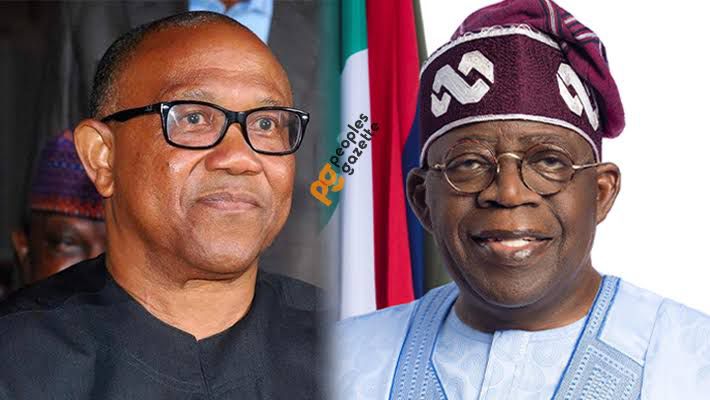
The Presidency has firmly rejected calls by former Labour Party presidential candidate Peter Obi for President Bola Ahmed Tinubu to resign, describing the demand as unnecessary, misleading, and inconsistent with Nigeria’s democratic framework.
The latest political exchange has reignited discussions about governance, accountability, security, and economic reforms in Nigeria as political stakeholders continue to position themselves ahead of the 2027 general elections.
Peter Obi Calls for Tinubu’s Resignation
Peter Obi recently urged President Bola Tinubu to resign, citing what he described as the administration’s inability to fulfill key campaign promises. In a post shared on social media platform X, Obi referenced the political culture in the United Kingdom, suggesting that leaders should take responsibility when they fail to meet public expectations.
According to Obi, elected officials must be held accountable for their commitments to citizens, especially in areas affecting economic growth, security, and national development.
His comments quickly generated reactions from political observers, supporters, and government officials across the country.
Presidency Responds: Nigeria Is Not the United Kingdom
Responding on behalf of the Federal Government, the Special Adviser to the President on Information and Strategy, Bayo Onanuga, dismissed Obi’s comparison between Nigeria and the United Kingdom.
Onanuga emphasized that Nigeria operates a presidential system of government, unlike the parliamentary system practiced in the UK. Under Nigeria’s constitutional framework, the President is elected for a fixed four-year term and can only be removed through constitutional processes such as impeachment or electoral defeat.
He argued that comparing the two systems demonstrates a misunderstanding of the structure and principles of Nigeria’s democracy.
”The President was elected by Nigerians for a constitutionally defined tenure. Calls for resignation outside constitutional provisions amount to political distractions rather than constructive engagement,” the Presidency maintained.
APC Electoral Victories Cited as Evidence of Public Support
The Presidency further pointed to recent electoral successes recorded by the ruling All Progressives Congress (APC) in various elections across the country.
According to government officials, victories in several governorship and senatorial contests indicate that a significant portion of Nigerians continue to support the policies and leadership of President Tinubu and the APC.
The administration maintains that these electoral outcomes reflect growing public confidence in ongoing reforms and development initiatives.
Security Efforts Under the Tinubu Administration
Addressing concerns over insecurity, the Presidency stated that the current administration inherited complex security challenges that have existed for many years.
Government officials highlighted ongoing military operations against terrorism, banditry, kidnapping, and other criminal activities. They noted that security agencies have intensified intelligence gathering, deployed advanced surveillance technologies, and strengthened collaboration among security institutions.
According to the Presidency, these efforts have led to the neutralization of numerous terrorists, the rescue of kidnapped victims, and improved security operations in several parts of the country.
While challenges remain, officials insist that measurable progress is being recorded in the fight against insecurity.
Economic Reforms and Recovery Agenda
The Tinubu administration also defended its economic policies, arguing that many of the current economic difficulties stem from both domestic structural issues and global economic pressures.
Government representatives pointed to reforms aimed at stabilizing public finances, attracting investment, improving infrastructure, and creating long-term economic sustainability.
Although inflation, rising living costs, and currency fluctuations continue to affect many Nigerians, the administration insists that its policies are laying the foundation for sustainable growth and economic recovery.
Experts note that the full impact of major economic reforms often takes time before tangible benefits become visible to citizens.
Political Debate Ahead of the 2027 Elections
Political analysts believe the exchange between Peter Obi and the Presidency reflects the growing intensity of political discourse ahead of the 2027 presidential election.
While opposition figures continue to scrutinize government performance, the ruling party remains focused on defending its record and communicating its achievements to the electorate.
The Presidency advised Obi and other opposition leaders to channel their criticisms through democratic processes and prepare for the next election cycle rather than calling for the resignation of a constitutionally elected president.
In conclusion, the disagreement between Peter Obi and the Presidency highlights the ongoing debate about leadership, governance, and accountability in Nigeria.
While Obi argues that unmet expectations warrant political responsibility, the Presidency insists that President Tinubu remains firmly within the constitutional mandate granted by Nigerian voters.
As Nigeria continues to navigate economic and security challenges, public attention will remain focused on the government’s performance and the political developments that will shape the country’s future ahead of the 2027 elections.