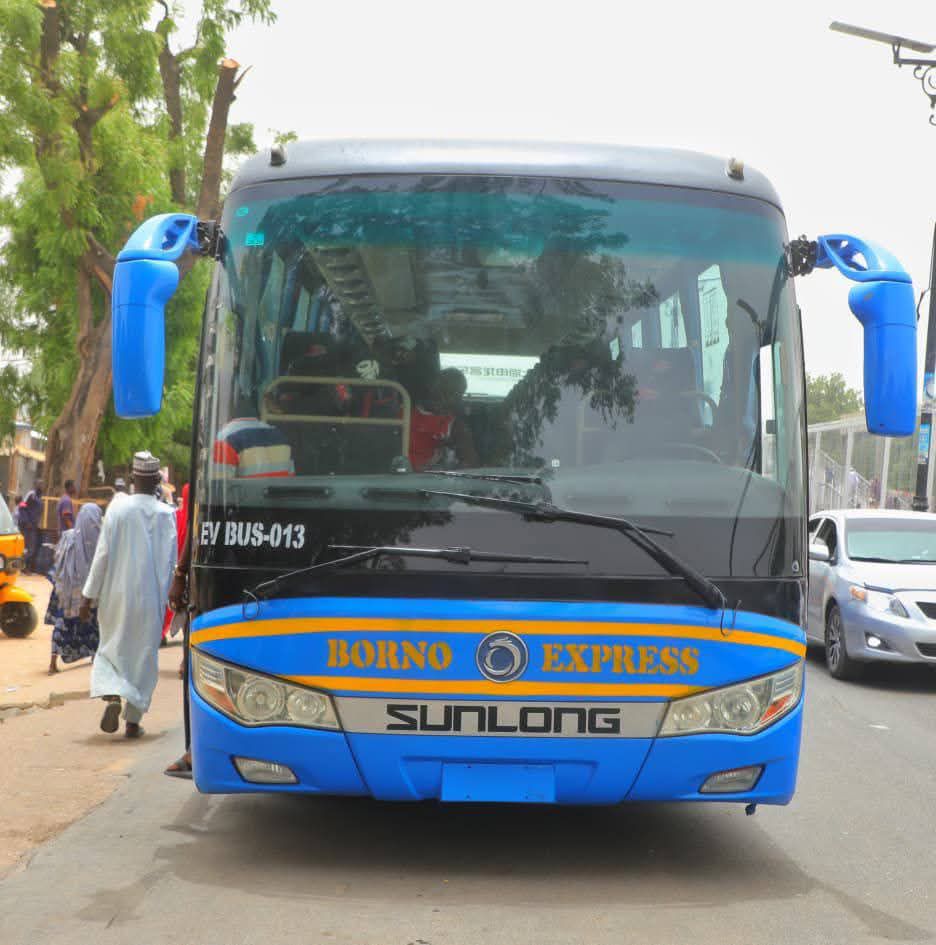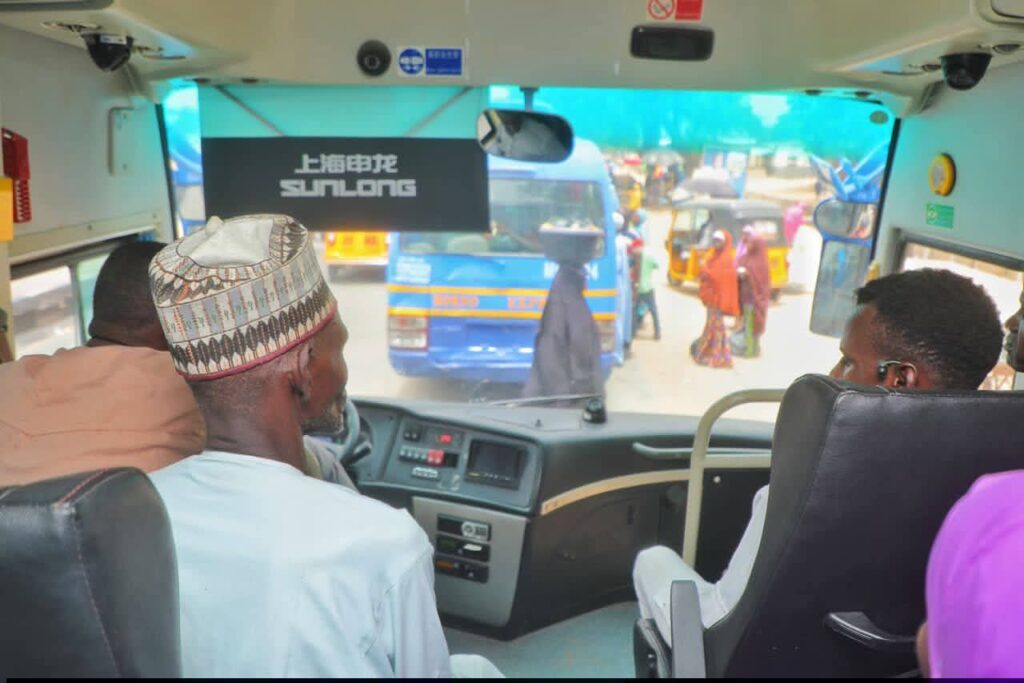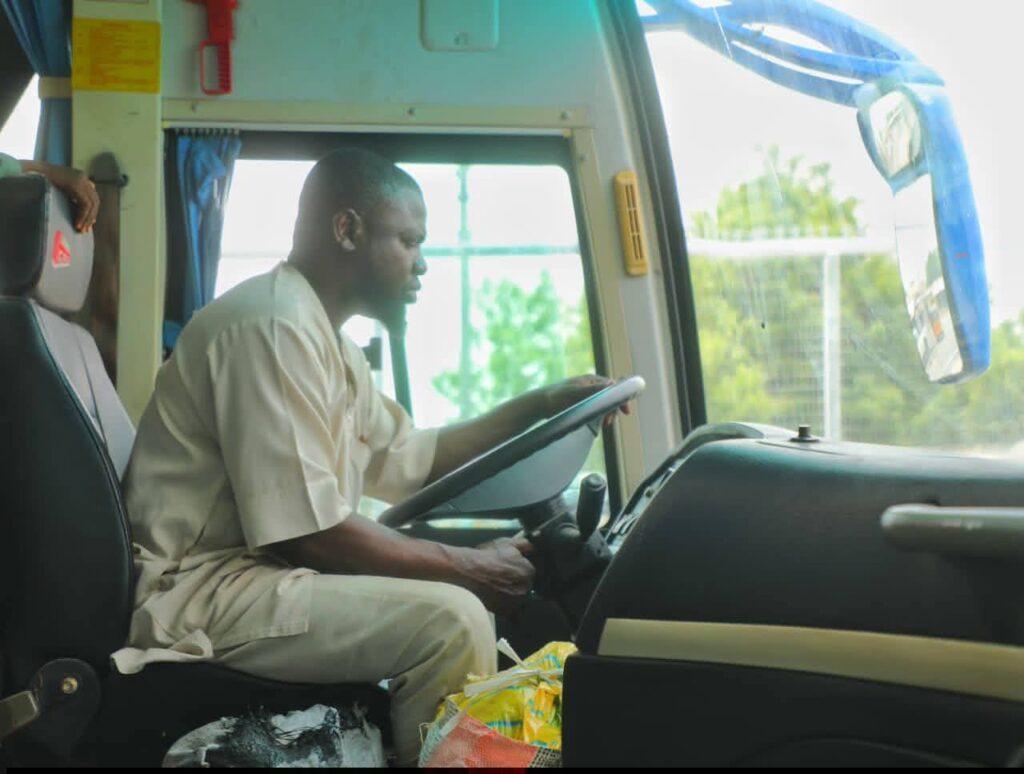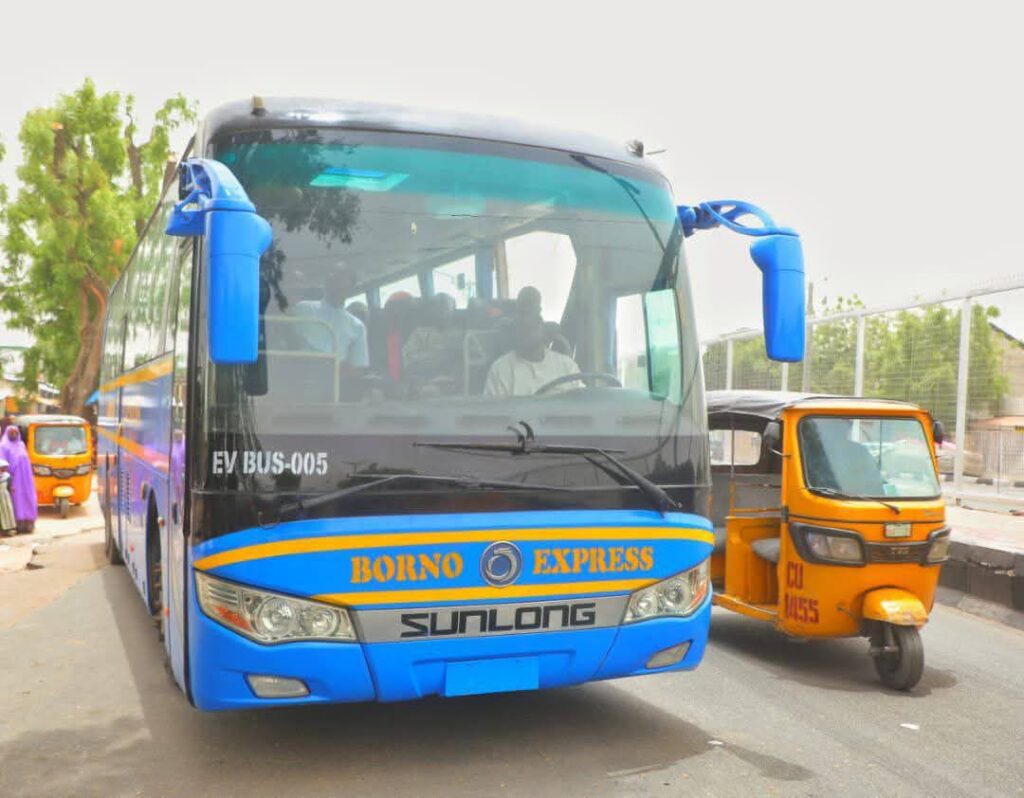
Governor Babagana Umara Zulum has rolled out 20 electric buses for public transportation in Borno State as part of efforts to cushion the impact of rising petrol prices on residents.
The initiative, which aligns with broader economic relief measures, follows the earlier inauguration of the electric vehicles by President Bola Ahmed Tinubu on December 20, 2025. The launch included not only buses but also 3,000 electric bicycles, 500 electric tricycles, and 100 electric vehicles aimed at improving mobility across the state.
Fleet Deployment and Capacity
The rollout, which began on April 3, features a fleet composed of 17 buses with a seating capacity of 49 passengers each, two 37-seater buses, and one 28-seater. The buses are currently operating across major routes within Maiduguri and surrounding areas.
Designed for efficiency and comfort, the fully air-conditioned buses can travel over 400 kilometres on a single charge, offering a sustainable alternative to fuel-powered transportation.
Charging Infrastructure Boost
To support the electric fleet, the state government has established what officials describe as the largest electric vehicle charging terminal in Nigeria. The facility has the capacity to charge up to 50 vehicles simultaneously, ensuring uninterrupted service delivery.
Subsidised Transport for Residents
In a move aimed at protecting residents from the effects of global energy price fluctuations, Governor Zulum has directed the Borno Express Transport Service to maintain a subsidised fare of ₦50 per drop.
The policy has been widely welcomed by commuters, including students, civil servants, and traders, who say it has significantly reduced the cost of daily transportation.
A commuter in Maiduguri praised the initiative, noting that despite the increase in petrol prices nationwide, transport fares within the city have remained stable due to the government’s intervention.
Economic and Environmental Impact
The electric bus programme forms part of the state government’s broader strategy to modernise urban transportation while promoting environmentally friendly solutions. By reducing reliance on fossil fuels, the initiative is expected to lower carbon emissions and contribute to a cleaner urban environment.
Early observations suggest improvements in traffic flow and accessibility, particularly along busy routes within Maiduguri.
Public Reception
Residents have described the project as timely and impactful, especially amid ongoing economic pressures. Many believe the initiative demonstrates a proactive approach to governance and a commitment to improving the welfare of citizens.
As Borno State continues to expand its electric mobility infrastructure, the programme could serve as a model for other states seeking sustainable and cost-effective transportation solutions in Nigeria.