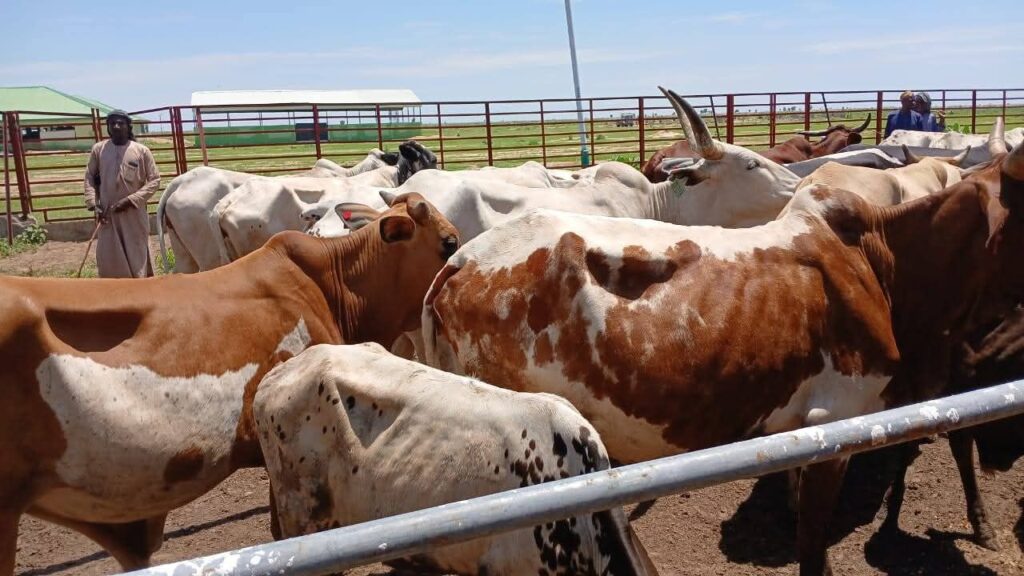
The Borno State Government has launched an ambitious artificial insemination programme targeting 3,000 cows in the first phase of a comprehensive livestock improvement initiative aimed at increasing meat and milk production, improving cattle genetics, and boosting food security across the state.
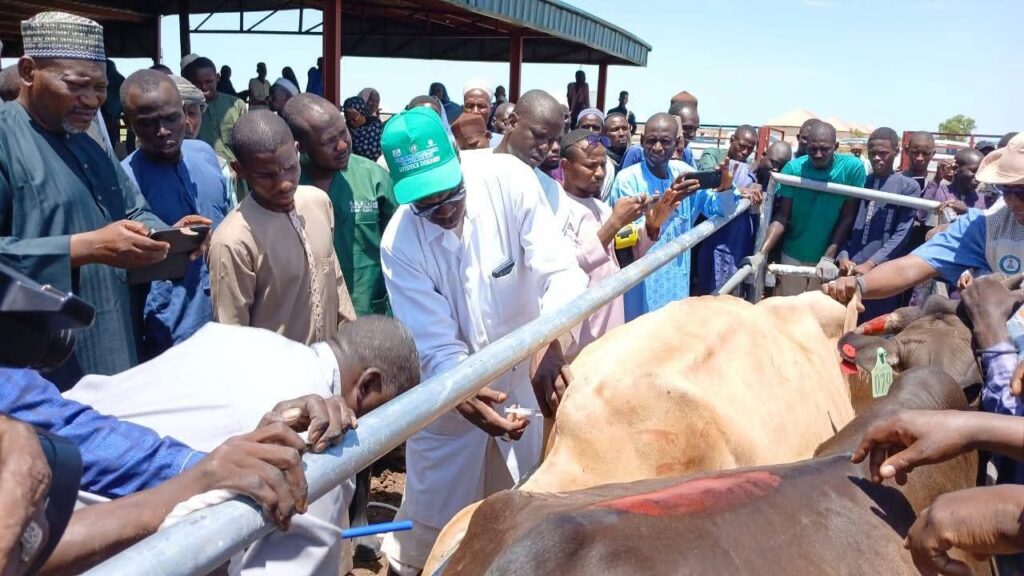
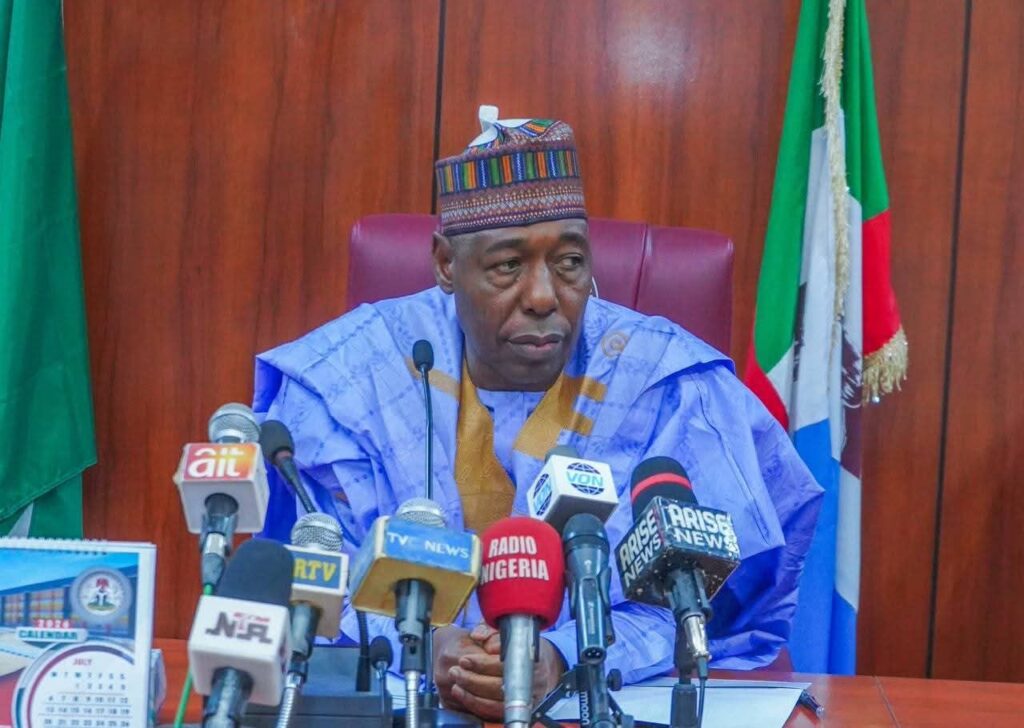
The programme, officially flagged off at the Mafa RUGA Settlement, is being implemented by the Borno State Ministry of Livestock Development in collaboration with the Borno State Livestock Management Agency (BOLMA) following the approval of Governor Prof. Babagana Umara Zulum.
The initiative represents one of the state’s most significant investments in modern livestock breeding and aligns with the government’s broader agricultural transformation agenda designed to improve the livelihoods of pastoralists and livestock farmers.
Governor Zulum’s Vision for Livestock Development
Speaking during the flag-off ceremony, the Commissioner for Livestock Development and Deputy Governor of Borno State, Alhaji Umar Usman Kadafur, said the programme demonstrates Governor Zulum’s commitment to modernizing livestock production through scientific breeding techniques.
Represented by the Governor’s Special Adviser on Livestock Development, Dr. Tijjani Goni Mohammed, the Deputy Governor explained that the state government has procured high-quality semen from carefully selected exotic cattle breeds to improve the genetic quality of indigenous cows.
According to him, the artificial insemination programme is designed to produce cattle with superior characteristics, including:
Increased milk production
Improved meat yield
Faster growth rates
Better disease resistance
Larger body size
Higher commercial value
He added that the long-term objective is to gradually improve the state’s cattle population through controlled breeding while increasing the income of livestock farmers and strengthening food security.
Artificial Insemination to Improve Indigenous Cattle Breeds
The Borno State Government has also invested in the equipment, veterinary expertise, and infrastructure required for the programme.
Officials disclosed that Governor Zulum approved the procurement of exotic breeding bulls for semen extraction alongside modern artificial insemination equipment to ensure the success of the exercise.
The government further directed BOLMA to intensify public awareness campaigns to educate livestock owners on the benefits, procedures, and economic advantages of adopting artificial insemination technology.
Experts believe crossbreeding indigenous cattle with improved foreign breeds will significantly enhance livestock productivity while preserving the adaptability of local breeds.
Synchronisation Process Begins Ahead of Insemination
Director General of BOLMA, Dr. Bukar Ali Usman, mni, described the programme as a major milestone in Borno State’s livestock transformation efforts.
He revealed that veterinary teams have already commenced the synchronisation stage, which prepares cows for successful artificial insemination through carefully administered hormonal treatments.
According to him, the hormone treatment will continue over the coming days before the improved semen is introduced into the synchronised cows.
He explained that the procedure increases conception rates and ensures the successful development of healthier calves with improved genetic traits.
Dr. Bukar appealed to livestock owners to cooperate with veterinary officers and agricultural extension workers throughout the exercise.
Livestock Farmers to Benefit Free of Charge
Chairman of BOLMA, Alhaji Mohammed Aliyu Dili, assured livestock owners that the entire programme is being implemented free of charge.
He disclosed that pregnancy diagnosis and hormone administration had already commenced for government-owned cattle before extending the services to privately owned livestock in Ngarannam and Mafa.
According to him, the actual insemination of synchronised cows is expected to begin next week.
He encouraged livestock farmers across Borno State to participate actively, noting that the programme offers a rare opportunity to improve their herds without financial burden.
Mafa Community Commends Governor Zulum
Chairman of Mafa Local Government Council, Alhaji Bukar Ali, praised Governor Babagana Umara Zulum for introducing what he described as a visionary agricultural programme.
He said improving cattle breeds would directly increase meat and milk production while creating better economic opportunities for livestock owners throughout the state.
The council chairman urged farmers to present their cattle for the exercise, emphasizing that the government is providing the services at no cost.
Farmers Welcome the Initiative
The flag-off ceremony attracted local government officials, traditional rulers, veterinary professionals, ward heads, agricultural extension workers, and hundreds of livestock owners.
During the sensitisation session, officials educated participants on the science behind artificial insemination, its economic benefits, and how improved breeding technology can transform livestock production.
Many livestock owners described the initiative as timely, saying it would improve cattle productivity, increase household income, and strengthen the livestock economy across Borno State.
They also expressed appreciation to Governor Zulum for sustaining investments in agriculture and livestock development despite prevailing economic challenges.
Why Artificial Insemination Matters
Artificial insemination is a globally recognised breeding technology that enables farmers to improve cattle genetics without transporting breeding bulls.
The technique offers several advantages, including increased productivity, better disease control, improved breeding efficiency, and higher-quality livestock capable of producing more milk and meat.
For states with large pastoral communities such as Borno, adopting modern breeding technology can significantly improve food production, create employment opportunities, and attract investment into the livestock value chain.
Conclusion
The launch of the 3,000-cow artificial insemination programme marks another major step in Borno State’s agricultural transformation under Governor Babagana Umara Zulum.
By combining modern veterinary science with strategic government investment, the initiative is expected to improve cattle genetics, enhance food security, increase farmers’ incomes, and position Borno as a leading centre for livestock production in Nigeria.
As implementation progresses, the programme is expected to serve as a model for sustainable livestock development and rural economic growth across the country.