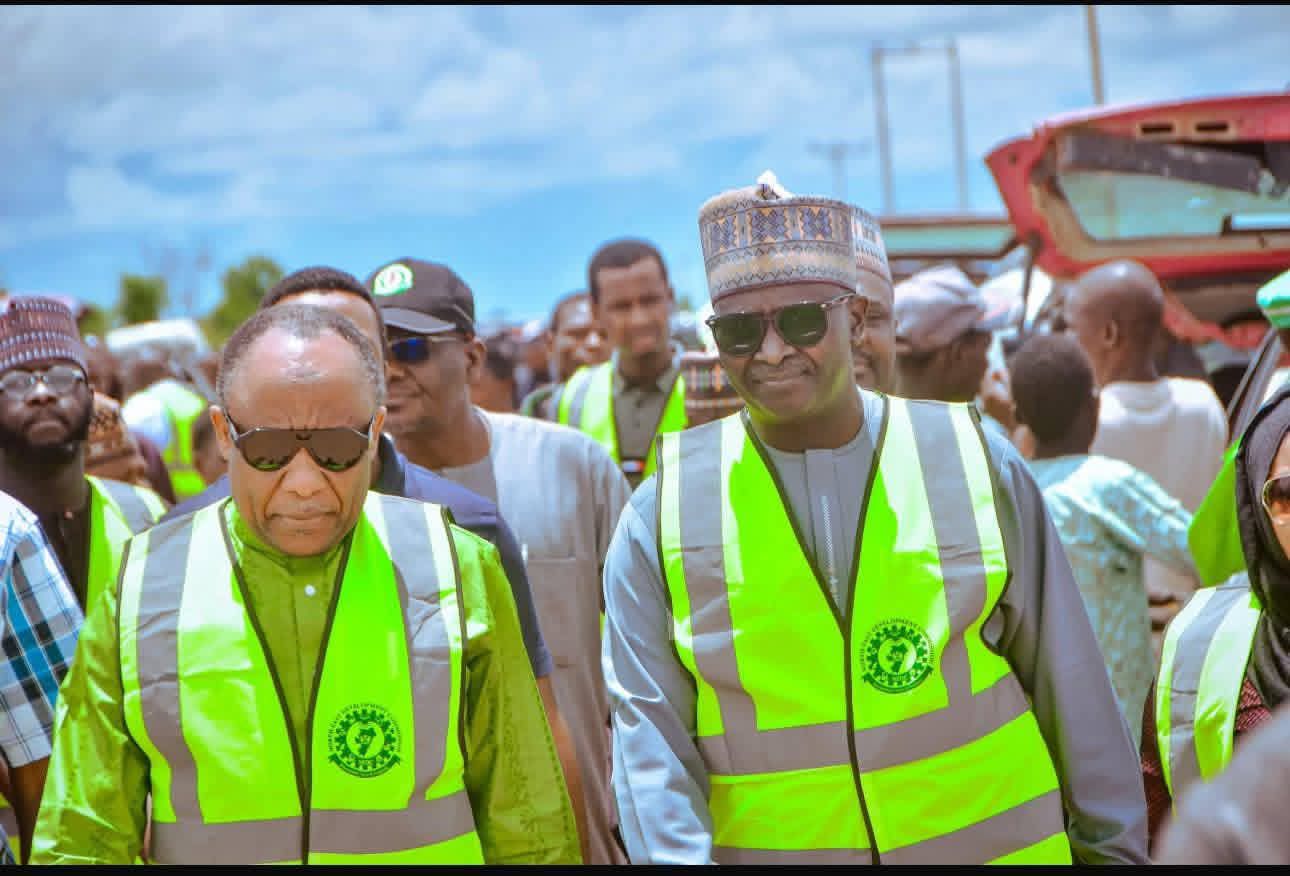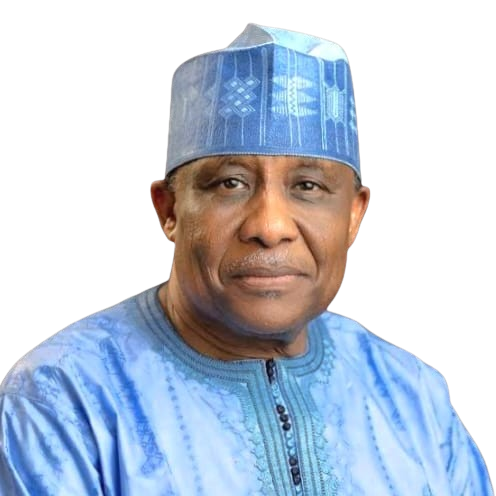
The North East Development Commission (NEDC), under the leadership of its Managing Director and Chief Executive Officer, Dr Mohammed Goni Alkali, is making significant strides in rebuilding the North-East through strategic investments in road and bridge infrastructure, in line with the 11 Pillars of the North-East Stabilisation and Development Master Plan (NESDMP).
Recognising that sustainable recovery, economic revitalisation and regional integration depend heavily on functional infrastructure, the Commission has prioritised the rehabilitation, reconstruction and development of critical road networks and bridges across the six North-Eastern states.
Through this intervention, the Commission has delivered over 300 kilometres of roads and more than 50 bridges, reconnecting communities, restoring access to essential services, facilitating agricultural and commercial activities, and creating new opportunities for economic growth.
The projects reflect the practical implementation of the NESDMP, which provides a comprehensive framework for addressing the region’s development challenges and transitioning from post-conflict recovery to sustainable prosperity.
Infrastructure as a Foundation for Regional Transformation
Under Dr Alkali’s leadership, the Commission recognises road infrastructure as more than a transportation intervention. It is an essential instrument for achieving several interconnected development objectives, including economic recovery, food security, social inclusion, access to education and healthcare, and improved livelihoods.
The road and bridge programme directly supports the infrastructure and economic development priorities of the 11-Pillar Master Plan while reinforcing other pillars through improved access, mobility and service delivery.
Delivering Impact Across the Six States
Adamawa State: Reconnecting Communities and Expanding Economic Opportunities
In Adamawa State, the Commission has constructed the 32-kilometre Dabna Road, the Federal College of Education, Yola Road, the College of Education, Hong Road, the Garkida Cross–Kukurtu Road, and rehabilitated roads in Fufore.
Other landmark interventions include the Numan Bridge, Bole Bridge, Madagali and Michika Bridges, as well as the Mubi–Maiha–Sarao Bridges.
These projects have improved connectivity between communities, strengthened access to educational institutions, facilitated agricultural transportation and supported cross-border commercial activities.
Bauchi State: Strengthening Connectivity and Climate Resilience
In Bauchi State, NEDC has delivered the 32-kilometre Kirfi–Gombe Abba Road, alongside major bridge projects including Tashan Turmi, Bara and Kalajanga Bridges.
Other interventions include the Ningi–Yadagungume–Fuskar Mata Road, the Soro–Ganjuwa Bridge, and extensive erosion control and drainage works.
These investments are strengthening inter-state connectivity, improving transportation networks and addressing environmental challenges that threaten communities and infrastructure.
Borno State: Rebuilding Critical Infrastructure and Restoring Access
In Borno State, where years of insurgency and flooding have severely affected infrastructure, the Commission has prioritised the restoration of critical road networks and bridges.
Major projects include the Ngom–Koshebe–Zabarmari–Gongulong–Khadamari Road Corridor, Zabarmari–Dusuman Road, reconstruction of the Gongulong–Khadamari and Monguno–Maiduguri Roads, Fogori (Galtimari) Bridge, Moro-Moro Market Bridge and Kaleri–Moduganari Bypass Road.
These projects represent important interventions in restoring damaged infrastructure, reconnecting communities, improving access to markets and essential services, and supporting the broader stabilisation and recovery efforts in the state.
Gombe State: Improving Mobility and Supporting Economic Integration
In Gombe State, the Commission’s interventions include the 21-kilometre Gombe Abba–Kirfi Road and bridges along the Gombe Northern Bypass, Gombe–Dukku, Gombe–Akko and Tsando Roads.
The Commission has also undertaken major erosion control works to protect infrastructure and surrounding communities.
Together, these projects are improving mobility, strengthening connections between rural and urban settlements and supporting economic activities across the state and neighbouring areas.
Taraba State: Opening Up Agricultural and Commercial Communities
In Taraba State, NEDC has rehabilitated the Jalingo–Wukari Highway and constructed the Mayo Ndaga, Namnai and River Bantaje Bridges.
The Commission has also undertaken emergency repairs to the Mayo Kam Bridge and drainage works along the Suntai–Donga Road.
These interventions are particularly significant to communities whose livelihoods depend on agriculture, trade and access to commercial centres. Improved road networks are helping farmers move produce to markets, reducing transportation difficulties and strengthening connections between communities.
Yobe State: Expanding Access and Building Resilient Infrastructure
In Yobe State, the Commission has delivered the 54-kilometre Mutai–Ngalda Road, the Damaturu–Buni Yadi–Magza Road Overlay, roads serving the NEDC Mega School in Potiskum and the Damaturu–Gujba Bridge.
Additional interventions include several bridges, culverts and drainage structures across Potiskum, Tarmuwa, Gujba and Fune Local Government Areas.
These projects are improving access to educational facilities, facilitating transportation, strengthening rural connectivity and enhancing the resilience of communities against flooding and other environmental challenges.
Advancing the 11 Pillars of the North-East Stabilisation and Development Master Plan
The Commission’s road and bridge infrastructure programme demonstrates how strategic infrastructure investments contribute to the wider objectives of the NESDMP.
Rather than operating in isolation, improved transportation networks provide an enabling foundation for the implementation of the Master Plan’s development priorities.
The programme supports the 11-Pillar framework in several important ways:
1. Peace, Security and Stabilisation: Reconnecting previously isolated communities and improving access to public services contribute to stabilisation, social cohesion and the restoration of normal economic activities.
2. Infrastructure Development: The delivery of over 300 kilometres of roads and more than 50 bridges directly strengthens the region’s physical infrastructure and transportation networks.
3. Economic Recovery and Development: Improved connectivity reduces transportation barriers, facilitates commerce and creates an enabling environment for private-sector investment.
4. Agriculture and Food Security: Better rural roads and bridges enable farmers to transport agricultural produce more efficiently, access markets and reduce post-harvest losses.
5. Education: Improved access roads to educational institutions, including the Federal College of Education in Yola, College of Education in Hong and NEDC Mega School in Potiskum, support educational accessibility.
6. Health: Reconnecting communities with major towns and service centres improves access to healthcare facilities, emergency medical services and essential supplies.
7. Water, Sanitation and Environmental Sustainability: Drainage, erosion control and flood-resilience interventions complement broader environmental and WASH development objectives.
8. Humanitarian Support and Social Protection: Improved transportation networks facilitate humanitarian access and the delivery of essential services to vulnerable and previously hard-to-reach communities.
9. Youth Development and Employment: Infrastructure projects create opportunities for local labour, artisans, contractors, engineers and other professionals, while strengthening the economic environment for youth participation.
10. Governance and Institutional Development: The coordinated implementation of infrastructure projects across the six states reinforces regional development planning, institutional collaboration and accountability.
11. Regional Integration and Sustainable Development: Inter-state roads and bridges strengthen connections among Adamawa, Bauchi, Borno, Gombe, Taraba and Yobe, promoting regional trade, mobility and long-term economic integration.
Beyond Roads: Investing in People and Prosperity
The significance of these projects extends beyond kilometres of completed roads and bridges. Their real value lies in the opportunities they create for millions of people across the North-East.
For farmers, improved roads mean easier access to markets. For traders, they mean reduced transportation costs and expanded commercial opportunities. For students and patients, they mean improved access to schools and healthcare facilities. For businesses and investors, they represent better connectivity and a more conducive environment for economic activities.
Furthermore, the integration of drainage and erosion control measures into infrastructure development demonstrates the Commission’s recognition that sustainable roads must be designed to withstand environmental pressures and serve communities over the long term.
From Recovery to Prosperity: Alkali’s Development Vision
The achievements recorded across the six states underscore the importance of strategic leadership, development planning and sustained institutional commitment in addressing the North-East’s infrastructure deficit.
Under Dr Mohammed Goni Alkali, NEDC continues to translate the objectives of the North-East Stabilisation and Development Master Plan into practical interventions that respond to the region’s most pressing development needs.
The delivery of over 300 kilometres of roads and more than 50 bridges represents an important contribution to the region’s recovery journey, strengthening the foundation for economic revitalisation, social inclusion and sustainable development.
Ultimately, the Commission’s infrastructure programme reflects the broader ambition of moving the North-East beyond post-conflict reconstruction towards a future defined by connectivity, productivity, opportunity and shared prosperity.
Through the 11 Pillars of the NESDMP, NEDC is not merely constructing roads and bridges; it is rebuilding connections, restoring livelihoods and laying the foundations for a more prosperous North-East.