
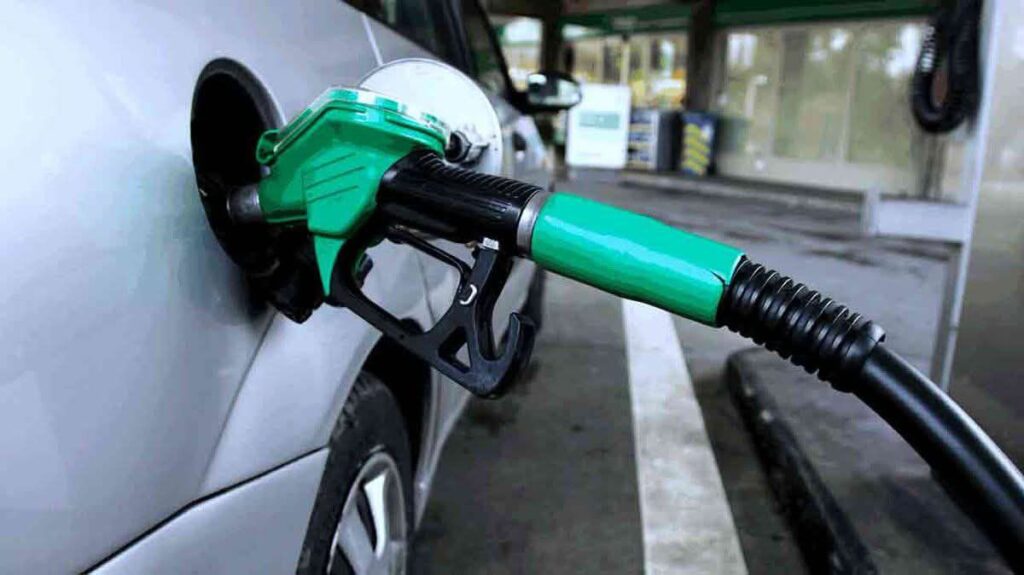
The Federal Government has intensified efforts to reduce the pump price of Premium Motor Spirit (PMS), popularly known as petrol, by convening a high-level stakeholders’ meeting with Dangote Refinery, petroleum regulators, and major downstream operators in Abuja.
The strategic meeting, held at the headquarters of the Nigerian Midstream and Downstream Petroleum Regulatory Authority (NMDPRA), brought together key players in Nigeria’s oil and gas industry to discuss practical measures aimed at ensuring that recent declines in global crude oil prices translate into lower petrol prices for consumers.
The engagement forms part of the Federal Government’s broader commitment to easing the cost of living and ensuring that the benefits of petroleum sector reforms are felt by ordinary Nigerians.
Government Pushes for Cost-Reflective Petrol Pricing
Speaking during the meeting, the Minister of State for Petroleum Resources (Oil), Senator Heineken Lokpobiri, urged petroleum marketers and industry operators to adjust fuel prices in line with the downward trend in international crude oil prices.
According to the minister, the deregulation of Nigeria’s downstream petroleum sector is designed to encourage competition and efficiency rather than excessive profiteering. He noted that with Brent crude prices declining in recent weeks, Nigerians should naturally benefit through lower prices of Premium Motor Spirit (PMS) and Automotive Gas Oil (AGO), commonly known as diesel.
Lokpobiri emphasized that fuel pricing has a direct impact on transportation, food costs, manufacturing, and the overall economy, making it essential for industry stakeholders to adopt fair and transparent pricing mechanisms.
He called on all participants to work together in developing sustainable strategies that protect consumers while maintaining a healthy and competitive petroleum market.
Dangote Refinery, Regulators, Marketers Join Industry Dialogue
The stakeholders’ meeting attracted representatives from several major organisations within Nigeria’s downstream petroleum sector, including Dangote Refinery, the Federal Competition and Consumer Protection Commission (FCCPC), the Petroleum Products Retail Outlets Owners Association of Nigeria (PETROAN), Major Energy Marketers Association of Nigeria (MEMAN), Depot and Petroleum Products Marketers Association of Nigeria (DAPPMAN), Independent Petroleum Marketers Association of Nigeria (IPMAN), TotalEnergies, Eterna Plc, Matrix Energy, NARTO, DPRP, and other industry stakeholders.
The gathering focused on identifying practical solutions capable of delivering fair and sustainable reductions in petrol prices without disrupting market stability or discouraging investment in the sector.
NMDPRA Advocates Collaboration for Stable Fuel Market
Chief Executive of the Nigerian Midstream and Downstream Petroleum Regulatory Authority (NMDPRA), Rabiu Abdullahi Umar, explained that the meeting was organised to encourage cost-reflective pricing and strengthen collaboration across the petroleum value chain.
He observed that global oil market tensions have eased considerably, creating favourable conditions for adjustments in domestic fuel prices.
According to Umar, industry stakeholders must cooperate on inventory management, market monitoring, and maintaining adequate national fuel reserves to ensure that Nigerians continue to enjoy stable fuel supply at competitive prices.
He added that transparent engagement among refiners, marketers, regulators, and government institutions remains essential for achieving a more efficient downstream petroleum sector.
Lower Petrol Prices Expected to Ease Economic Pressure
Industry analysts believe that any reduction in petrol prices would have far-reaching economic benefits. Lower fuel costs are expected to reduce transportation expenses, moderate inflation, improve business operating costs, and ease the financial burden on households.
The Federal Government’s engagement with Dangote Refinery and other industry stakeholders signals a renewed commitment to ensuring that market realities are reflected in domestic fuel prices while sustaining investor confidence in Nigeria’s deregulated petroleum industry.
As discussions continue, Nigerians will be watching closely for concrete outcomes that translate into meaningful reductions at filling stations across the country.