
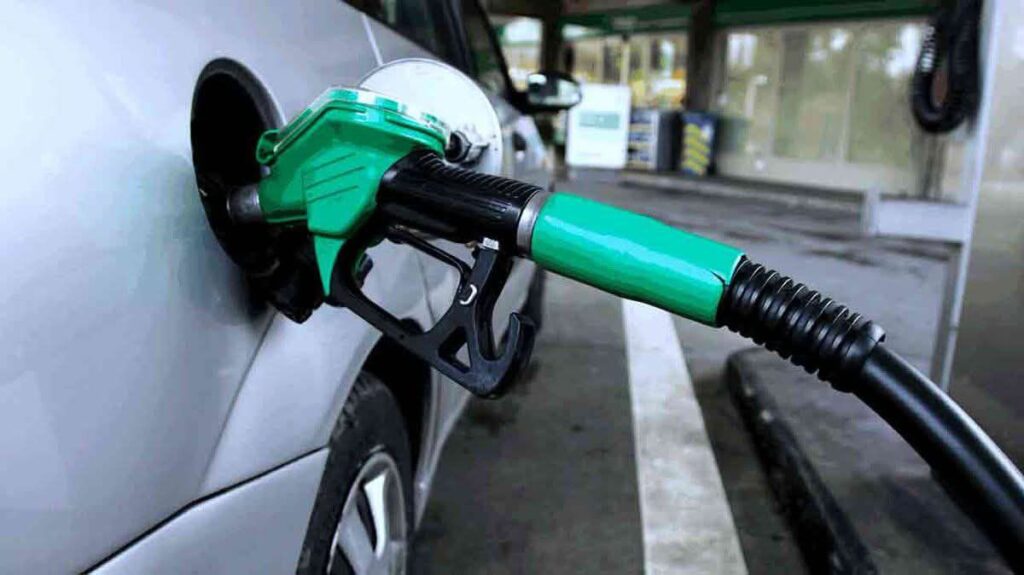
The cost of Premium Motor Spirit (PMS), popularly known as petrol, has begun to decline at several filling stations across Nigeria following fresh price adjustments by Dangote Refinery-backed marketers and other independent fuel retailers.
The latest reduction offers some relief to motorists, commercial transport operators, businesses and households that have faced rising fuel costs in recent weeks due to fluctuations in global crude oil prices.
MRS Slashes Petrol Price in Abuja
A market survey conducted on Saturday revealed that MRS filling stations, which distribute fuel supplied by the Dangote Petroleum Refinery, have reduced the pump price of petrol in Abuja from ₦1,305 per litre to ₦1,265 per litre.
The new price was observed at MRS outlets in Kubwa and along the Lugbe Airport Expressway, representing a ₦40 per litre reduction.
The adjustment follows recent efforts by Dangote Refinery to improve fuel supply and stabilise prices across the Nigerian downstream petroleum market.
AA Rano Also Reduces Pump Price
Another major fuel retailer, AA Rano, has also adjusted its petrol price downward.
The company reduced its pump price by ₦30 per litre, bringing the retail price from ₦1,330 to ₦1,300 per litre at its Abuja outlets.
The reduction by multiple marketers indicates increasing competition within the downstream sector, with operators responding to changes in depot prices and product availability.
Dangote Refinery’s Supply Strategy Influencing Market
The latest reductions come shortly after Dangote Petroleum Refinery announced plans to expand fuel distribution across several Nigerian states, including the Federal Capital Territory (FCT).
The refinery is currently supplying petrol at a gantry price of ₦1,215 per litre, a move expected to improve nationwide availability and encourage more competitive retail pricing.
Industry analysts believe the increased supply from the refinery is gradually reshaping Nigeria’s petroleum market by reducing dependence on imported refined products and strengthening domestic distribution.
Depot Prices Remain Competitive
Current depot prices also reflect improved market conditions.
Industry checks indicate that several major depots, including Pinnacle, Emedab, NIPCO, and Sigmund, are dispensing petrol between ₦1,217 and ₦1,222 per litre.
These depot prices provide marketers with room to reduce retail pump prices while remaining commercially viable.
Impact on Consumers and the Economy
Lower petrol prices could have positive effects across various sectors of the economy.
Transportation costs may gradually ease, while businesses that rely heavily on fuel-powered operations could experience reduced operating expenses. Consumers also stand to benefit if lower fuel costs translate into cheaper transportation fares and lower prices of goods and services.
Although global crude oil prices remain volatile, the strengthening of domestic refining capacity through the Dangote Refinery is expected to enhance supply stability and reduce sudden price spikes in Nigeria’s fuel market.
Outlook
Energy stakeholders say the sustainability of the current price reductions will depend on several factors, including international crude oil prices, exchange rate movements, logistics costs, and the consistency of local fuel production.
If domestic supply continues to improve and competition among marketers intensifies, Nigerians may witness further adjustments in petrol prices in the coming weeks, providing additional relief to consumers and supporting broader economic activities across the country.