
Leadership is often measured not by titles or public recognition, but by the ability to translate vision into meaningful results. In regions emerging from years of conflict and humanitarian crises, that responsibility becomes even greater. For the North-East Development Commission (NEDC), the challenge has been to rebuild communities, restore livelihoods, and lay the foundation for sustainable development across one of Nigeria’s most affected regions.
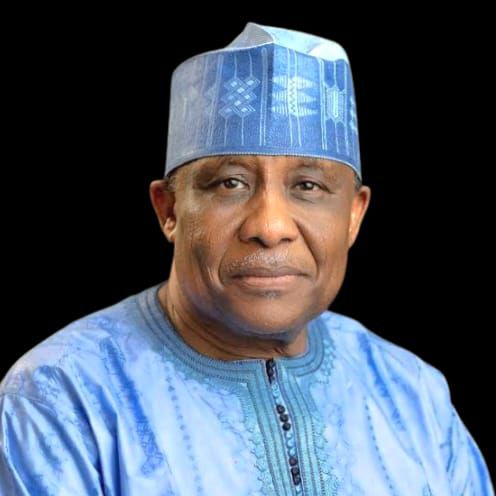
At the center of this effort is the Managing Director and Chief Executive Officer of the North-East Development Commission, Dr. Mohammed Goni Alkali, whose leadership style combines strategic planning with active field engagement. Rather than limiting his responsibilities to policy formulation and administrative oversight, he has consistently emphasized direct monitoring of projects and close interaction with beneficiary communities across the six states served by the Commission.
The NEDC was established to coordinate the reconstruction, rehabilitation, integration, and sustainable development of Adamawa, Bauchi, Borno, Gombe, Taraba, and Yobe States following years of insurgency that devastated infrastructure, displaced millions, and disrupted economic activities. Delivering on such a mandate requires more than financial resources; it demands effective coordination, transparency, and consistent implementation.
Leadership Beyond the Office
One defining characteristic frequently associated with Mohammed Goni Alkali’s administration is the balance between strategic management and field supervision. While major decisions are made within the Commission’s headquarters through structured planning and institutional processes, project implementation is regularly followed up through inspection visits across the North-East.
This approach enables the Commission to verify that approved projects correspond with actual work on the ground. It also provides opportunities to engage directly with state governments, traditional institutions, local communities, and development partners to identify emerging priorities and improve project delivery.
Such regular interaction has strengthened confidence among stakeholders and encouraged greater collaboration in implementing reconstruction initiatives.
Rebuilding Critical Infrastructure
Infrastructure restoration remains one of the Commission’s primary responsibilities. Across the region, numerous projects have focused on rebuilding roads, bridges, schools, healthcare facilities, and public utilities damaged during years of insurgency.
Improved road networks have enhanced movement between communities, while renovated schools and healthcare centers are helping restore access to essential social services. These investments contribute not only to improved living conditions but also to long-term economic recovery by supporting commerce, education, and healthcare delivery.
Infrastructure development continues to form a significant component of the Commission’s intervention strategy as communities gradually return to normalcy.
Strengthening Education Recovery
Education suffered extensive setbacks during the insurgency, with many schools destroyed or abandoned and thousands of children forced out of classrooms. Addressing this challenge has become a major priority for the Commission.
Through investments in school construction and rehabilitation, teacher development programmes, and support for both conventional and non-formal educational institutions, the Commission seeks to improve access to quality education across affected communities.
The establishment of the ₦6 billion Education Endowment Fund represents one of the notable initiatives designed to strengthen educational development and build long-term human capital within the North-East.
Teacher capacity-building programmes targeting Tsangaya and Islamiyya schools further demonstrate efforts to create a more inclusive educational system that reflects the region’s diverse learning environment.
Agricultural Recovery and Food Security
Agriculture remains the primary source of livelihood for millions of people in the North-East. Years of insecurity significantly disrupted farming activities, leading to reduced food production and increased poverty.
To address these challenges, the Commission has implemented integrated agricultural support programmes aimed at reviving farming activities. These interventions include the distribution of improved seeds, fertilizers, agricultural equipment, machinery, and extension services to farmers across the region.
By supporting agricultural production, the Commission seeks to improve household incomes, strengthen food security, and stimulate broader economic recovery in rural communities.
Humanitarian Interventions and Social Support
Beyond physical infrastructure, humanitarian assistance continues to play an important role in the Commission’s work.
Internally displaced persons and vulnerable households have benefited from various intervention programmes designed to improve living conditions and support community reintegration.
Healthcare interventions have also expanded through the provision of modern medical equipment and support for health institutions. Among these interventions was the deployment of ophthalmology equipment valued at ₦3 billion to strengthen specialized healthcare services in Borno State.
Such programmes reflect broader efforts to improve access to quality healthcare while supporting state governments in rebuilding public health systems.
Institutional Accountability and Financial Management
Large-scale development programmes require strong governance systems to ensure public resources are effectively utilized.
Under Mohammed Goni Alkali’s leadership, the Commission has emphasized due process, transparent procurement procedures, and compliance with financial regulations. Project approvals are expected to pass through established administrative procedures designed to promote accountability and reduce opportunities for financial irregularities.
Regular reporting of budget implementation has also become an important aspect of institutional transparency. Rather than presenting development solely through budget allocations, the Commission has sought to demonstrate measurable progress through project execution and field verification.
Working Through Partnerships
Reconstruction of the North-East extends beyond the capacity of any single institution. Recognizing this reality, the Commission has continued to strengthen partnerships with state governments, federal ministries, development agencies, humanitarian organizations, and local communities.
This collaborative model allows interventions to complement existing government programmes while reducing duplication of efforts.
Internal coordination within the Commission has also remained important, with executive directors overseeing humanitarian affairs, operations, finance, and other specialized areas working together to support implementation.
Planning for Sustainable Recovery
According to the Commission’s financial plans, the 2026 budget proposal of ₦244.07 billion focuses on infrastructure development, humanitarian support, socio-economic recovery, agricultural development, staff capacity building, and institutional strengthening.
These priorities build upon previous implementation efforts and reflect an ongoing commitment to long-term regional recovery.
Beyond financial allocations, the Commission continues to emphasize project monitoring, adaptive planning, and community participation to ensure interventions respond to changing realities across different parts of the region.
A Leadership Model Focused on Results
Rebuilding communities affected by conflict is a complex and long-term process. Success depends not only on funding but also on effective leadership, institutional discipline, and consistent implementation.
Mohammed Goni Alkali’s leadership has frequently been characterized by a management style that combines strategic planning with direct field engagement. By maintaining oversight from policy formulation through project implementation, the Commission aims to ensure that development initiatives produce measurable benefits for communities.
As reconstruction efforts continue across the North-East, the emphasis remains on restoring infrastructure, improving public services, supporting economic recovery, and creating conditions for sustainable peace and development.
Ultimately, the lasting impact of any development institution is determined not by the volume of resources it manages but by the positive changes experienced by the people it serves. For the North-East Development Commission, the ongoing challenge is to sustain that progress and continue transforming plans into lasting improvements across the region.