
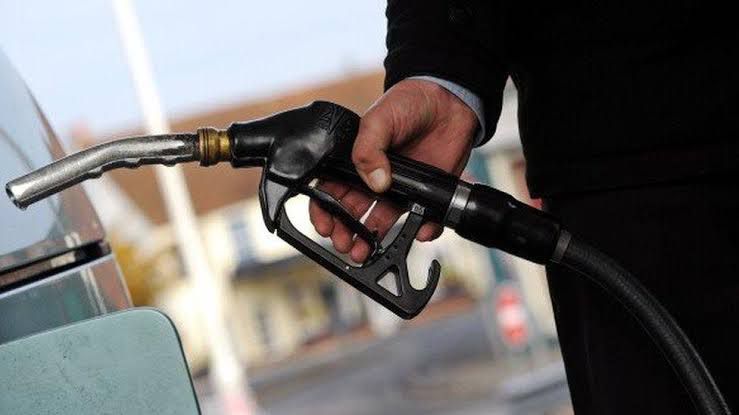
Economic analysts and civil society organisations are sharply divided over whether the administration of Bola Ahmed Tinubu should reintroduce fuel subsidies or roll out relief measures as Nigerians struggle with the impact of rising petrol prices.
The latest increase in fuel prices is linked to a spike in global crude oil prices following the 24-day conflict involving Iran, the United States and Israel, which disrupted energy markets and pushed oil prices above $100 per barrel — far above Nigeria’s 2026 budget benchmark of $64 per barrel.
Although the surge has boosted Nigeria’s oil earnings, it has also worsened economic conditions at home. Petrol prices have risen by about N492, representing a 56 percent increase, moving from N875 before February 28 to between N1,367 and N1,390 per litre as of Monday, March 23, 2026.
The increase has led to higher transport fares and food prices, further reducing the purchasing power of millions of Nigerians, especially workers earning the N70,000 minimum wage.
Amid the growing hardship, several stakeholders are urging the government to introduce measures to ease the cost-of-living crisis. The Centre for the Promotion of Private Enterprises (CPPE) called on the Federal Government to adopt a coordinated strategy to prevent energy-driven inflation.
In a statement, CPPE’s Chief Executive Officer, Muda Yusuf warned that the crisis in the Middle East could reverse Nigeria’s recent disinflation trend, which stood at 15.06 percent in February.
Similarly, the President of the Nigeria Labour Congress (NLC), Joe Ajaero, said the government should not wait for workers to embark on industrial action before stepping in.
He argued that since the government is earning more revenue from higher oil prices, part of the funds should be used to cushion the impact on citizens.
Meanwhile, the Oyo State government recently approved a N10,000 wage allowance for its civil servants to help offset the rising cost of fuel.
However, opinions remain divided on the best way forward.
A professor emeritus of petroleum economics, Wumi Iledare, rejected calls for the return of fuel subsidies, describing them as economically unsustainable.
According to him, past subsidy programmes created market distortions and diverted funds from critical sectors such as education, healthcare, infrastructure and power.
Instead of restoring subsidies, he recommended targeted social interventions, stronger governance in the energy sector and strategic use of oil windfall revenues. He also suggested measures such as crude oil discounts for local refineries, including the Dangote Refinery, and the removal of import duties or VAT on petroleum products to reduce costs.
On the other hand, the Executive Director of the Civil Society Legislative Advocacy Centre (CISLAC) and Transparency International Nigeria, Auwal Rafsanjani, called for urgent pro-people policies to address the hardship facing Nigerians.
He criticised what he described as the absence of compassionate and pro-poor policies, warning that the situation could worsen if the government fails to act quickly. According to him, the funds saved from subsidy removal have not yet translated into relief for ordinary Nigerians, and there is a growing disconnect between political leaders and the citizens.
Rafsanjani stressed the need for inclusive policies that prioritise the welfare of Nigerians, warning that governance must focus more on easing the burden on the people rather than political calculations.