
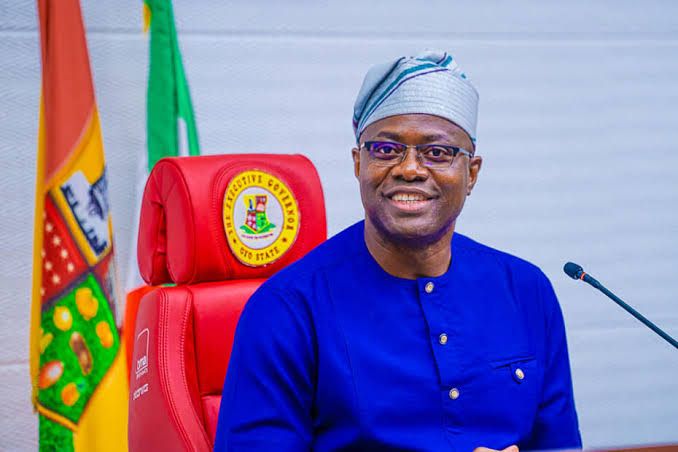
Oyo State Governor, Seyi Makinde, has called for deeper reforms to address the structural challenges keeping millions of Nigerians in poverty, arguing that the country’s difficulties go beyond the individuals occupying public offices.
Makinde made the remarks while reflecting on Nigeria’s development challenges, poverty, insecurity and the difficulty many citizens face in translating their hard work into improved living conditions.
In his newsletter, the governor observed that Nigeria has experienced several changes in government and the introduction of different policies over the years, yet many Nigerians continue to struggle with basic economic and social challenges.
According to him, the persistence of these challenges suggests that attention should not be focused solely on changes in political leadership but also on the systems and institutions responsible for delivering public services and economic opportunities.
“Over the years, we have changed governments, introduced new policies, and promised ourselves new starts. Yet, for millions of Nigerians, the basic results have stayed mostly the same,” Makinde said.
He noted that poverty remains a major concern, particularly for families that work hard but continue to experience difficulties improving their standard of living.
“Too many of our people are still stuck in poverty. Many families put in a lot of effort but still don’t see real improvements in their lives,” he said.
Youth Employment and Economic Opportunities
The governor also drew attention to the difficulties confronting young Nigerians, particularly the gap between education and access to sustainable economic opportunities.
Makinde said many young people struggle to identify a clear pathway from completing their education to securing meaningful opportunities that can improve their livelihoods.
The concern highlights the importance of strengthening the connection between education, vocational training, entrepreneurship and employment.
Nigeria has a large and youthful population, making investment in human capital essential to the country’s long-term economic development. Creating opportunities for young people to acquire relevant skills and participate productively in the economy remains an important component of reducing poverty.
Insecurity and Development Challenges
Makinde also identified insecurity as another factor affecting the welfare and economic activities of Nigerians.
According to him, insecurity continues to make life difficult for many citizens, while some institutions and organisations established to provide assistance are not delivering the desired results.
“People are still struggling because of insecurity, and many organizations meant to help them are not working properly,” he said.
Persistent insecurity can have wider consequences for communities because it can disrupt businesses, agriculture, education, investment and access to essential services.
For households already facing economic difficulties, such disruptions can make it even harder to build stable livelihoods.
Beyond Changes in Government
Makinde argued that Nigeria’s challenges should be examined from a broader perspective rather than being attributed entirely to whoever is occupying political office at a particular time.
“This shows that Nigeria’s problem is larger than just the people holding government positions at any given moment,” he said.
The governor called for greater attention to the systems, rules and institutional arrangements that influence how public policies are implemented and how resources and opportunities reach citizens.
“We need to look at the systems, rules, and ways things are set up that keep on creating results that don’t help most of our people,” he added.
The Need for Sustainable Solutions
The governor’s comments have again brought attention to the broader question of how Nigeria can achieve sustainable poverty reduction.
Addressing poverty requires more than short-term interventions. Sustainable progress depends on policies that expand economic opportunities, improve access to quality education and healthcare, strengthen institutions, support productive businesses and create an environment where individuals can earn sustainable incomes.
Improving security is also critical because citizens need a stable environment to farm, operate businesses, pursue education and invest in their communities.
Similarly, effective public institutions are essential for ensuring that government programmes achieve their intended objectives and reach the people for whom they are designed.
Makinde’s position therefore points to the need for a broader national conversation about institutional effectiveness, economic opportunity and the systems that shape the everyday experiences of Nigerians.
While governments will continue to introduce new policies and development programmes, the lasting impact of such interventions will depend largely on how effectively they are implemented and whether they address the underlying factors contributing to poverty and limited opportunities.
For millions of Nigerians, the ultimate measure of progress is not simply the introduction of another policy or change in political leadership, but whether those efforts translate into better livelihoods, greater security and realistic opportunities for families and young people to build a more secure future.