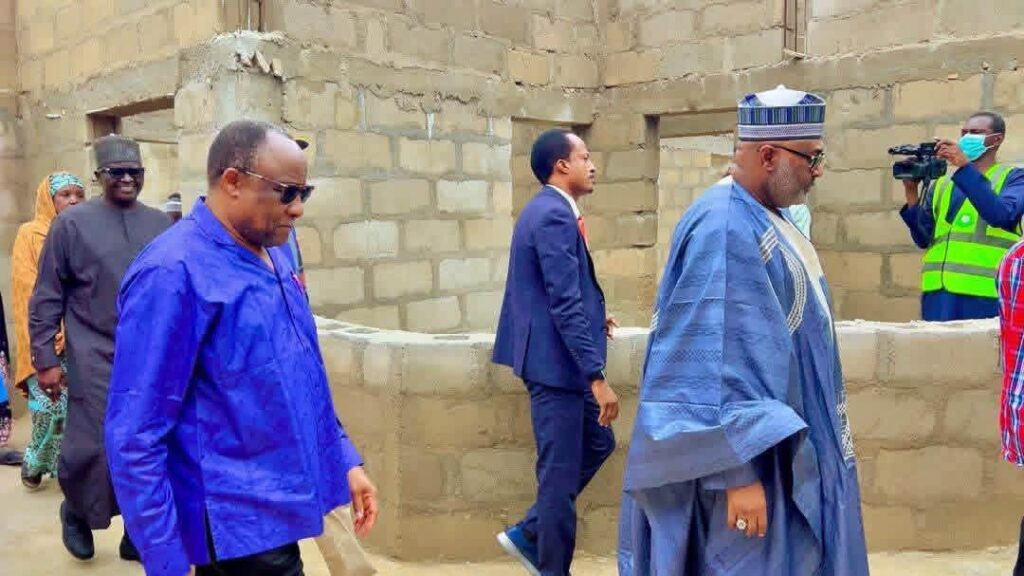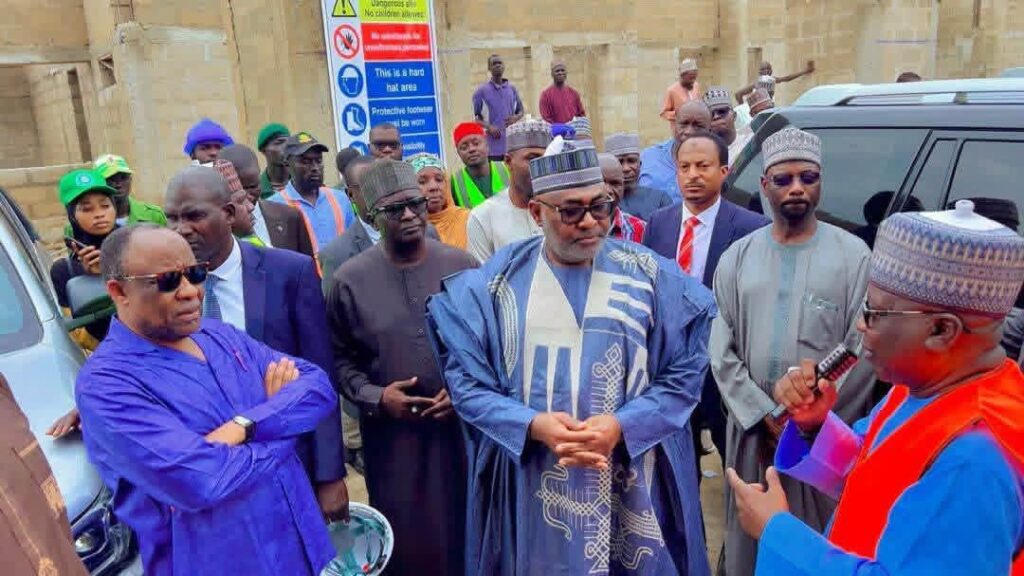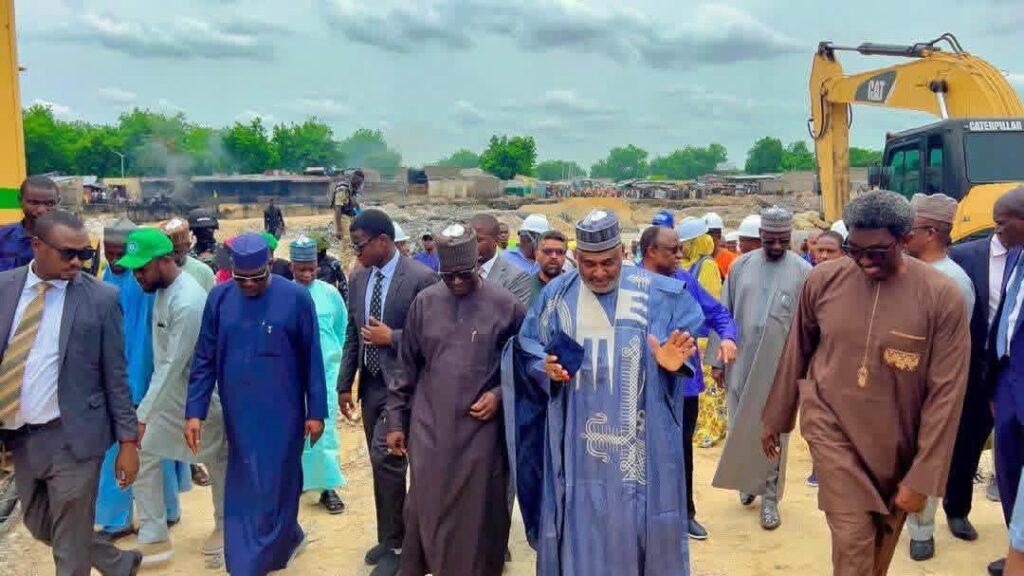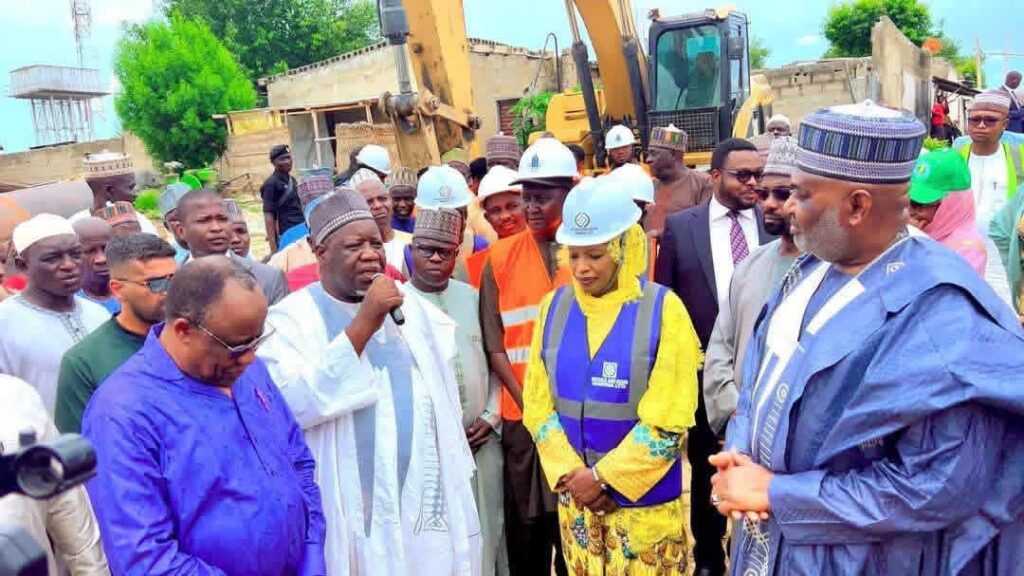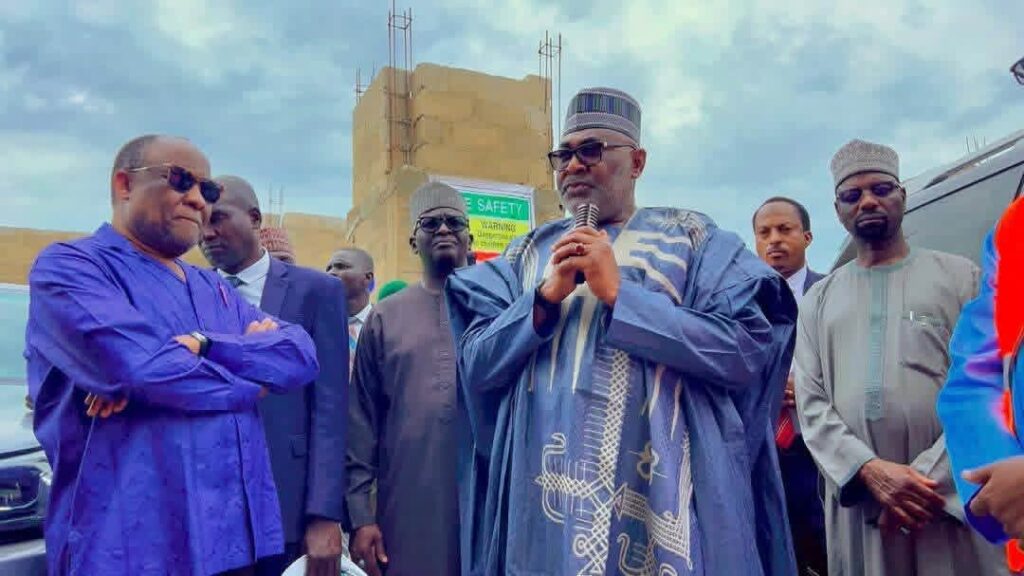
The Honourable Minister of State for Regional Development, H.E. Uba Maigari Ahmadu, has inspected key ongoing projects being implemented by the North East Development Commission (NEDC) in Borno State, reaffirming the Federal Government’s focus on strengthening infrastructure, improving connectivity and supporting sustainable economic development across the North-East.
The inspection formed part of the Minister’s working visit to assess the progress, quality and pace of work on strategic projects being executed by the Commission and to identify areas requiring further attention to ensure their timely completion and delivery to the people.
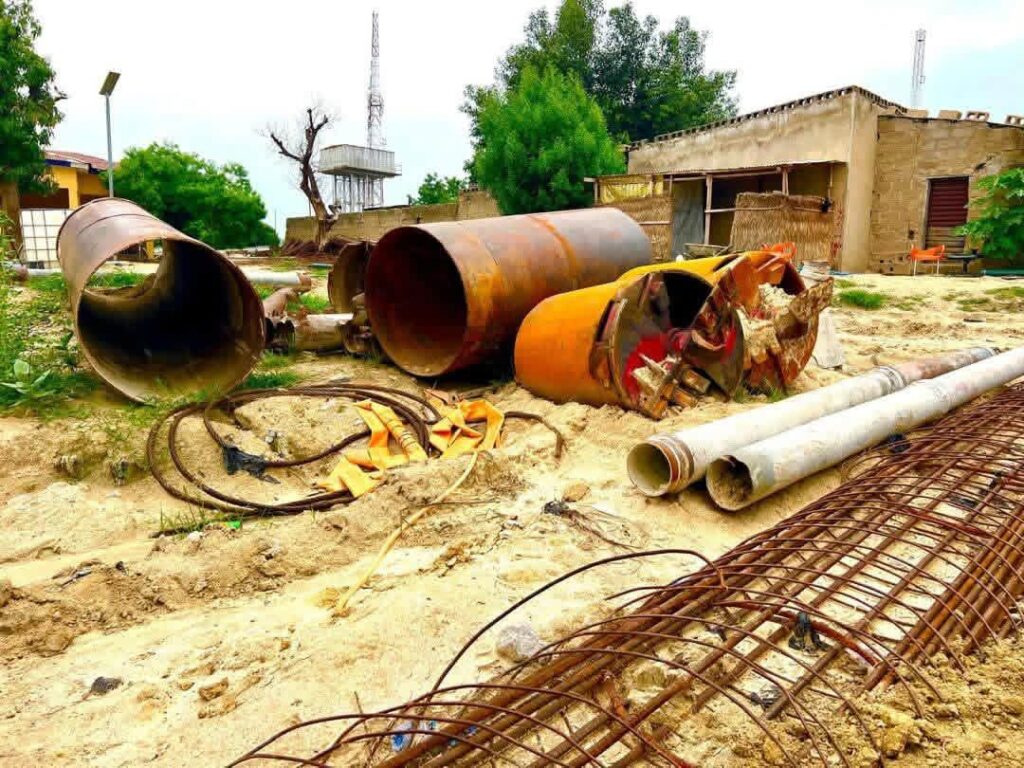
Among the projects inspected were the 250-bed-capacity Students’ Hostel at Mohammed Lawan College of Agriculture, the Moro Moro Bridge, and the 9-span, 180-metre Galtimari–Fori Bridge.
The Minister was accompanied by the Managing Director and Chief Executive Officer of NEDC, Dr Mohammed G. Alkali, Executive Director, Humanitarian Affairs, Musa Umar Yashi, Executive Director, Administration and Finance, Dr Abubakar Garba Iliya, Commission Secretary, Barr. Benjamin Wesley, as well as other senior officials and staff of the Commission.
Infrastructure as a Foundation for Regional Development
The inspection underscores the growing importance of infrastructure in the North-East’s transition from post-crisis recovery towards sustainable economic development.
For communities across Borno State and the wider region, reliable roads, bridges and educational facilities are essential to improving access to markets, schools, healthcare, employment and other opportunities.
The NEDC’s intervention in these areas is therefore not limited to the construction of physical structures. Properly delivered infrastructure can support economic activity, strengthen social connections and provide communities with the foundation required for long-term development.
The Minister’s assessment also provides an opportunity for closer monitoring of project implementation, ensuring that public investments meet expected standards and are delivered within reasonable timelines.
Moro Moro Bridge and the Revival of Economic Connectivity
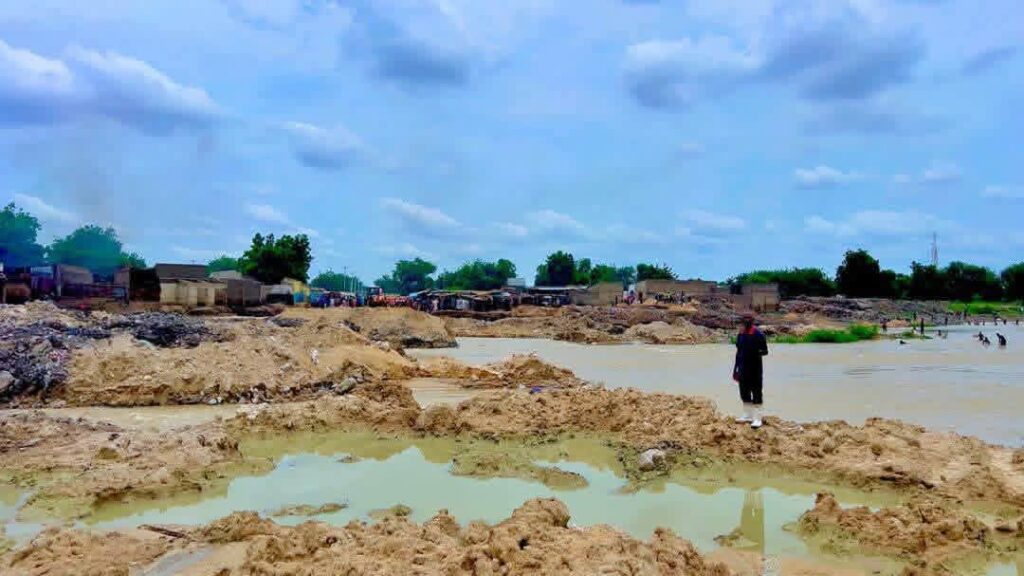
The Moro Moro Bridge represents an important intervention in improving transportation and connectivity within its surrounding communities.
The area has historical significance as part of an old trade corridor through which people, agricultural products and commercial goods moved between communities and wider markets. Restoring and improving infrastructure along such corridors can help revive economic activities that depend heavily on reliable transportation.
A functional bridge can reduce difficulties associated with movement, particularly during periods when poor road conditions or damaged infrastructure disrupt transportation.
For farmers, traders and small businesses, improved connectivity can mean easier access to markets and customers. Transport operators can also benefit from more reliable routes, while communities may experience improved access to education, healthcare and other essential services.
The wider economic impact of such infrastructure can extend beyond the immediate project location, particularly when improved connectivity links rural production areas with larger commercial centres.
Galtimari–Fori Bridge to Improve Movement of People and Goods
Another major project inspected by the Minister was the 9-span, 180-metre Galtimari–Fori Bridge.
The project is expected to strengthen transportation links and improve the movement of people, agricultural produce and commercial goods.
Bridges are particularly important components of road infrastructure because they provide critical links across waterways and other natural obstacles. Where such links are inadequate, communities can become isolated and transportation costs can increase.
Improved bridge infrastructure can therefore support more efficient movement and contribute to the development of agricultural value chains by making it easier for farmers and traders to transport products from production areas to markets.
The project also has the potential to support local economic activity by improving access for businesses, service providers and transport operators.
Student Hostel to Strengthen Agricultural Education
The 250-bed-capacity Students’ Hostel at Mohammed Lawan College of Agriculture represents a different but equally important aspect of regional development: investment in human capital.
Education remains central to the North-East’s long-term development, particularly in sectors such as agriculture, where the region possesses significant potential.
Adequate student accommodation can help create a more conducive academic environment by providing students with safer and more accessible housing close to their institution.
For students travelling from rural and underserved communities, the availability of affordable accommodation can reduce some of the challenges associated with pursuing higher education.
The facility can consequently complement the college’s broader educational role by supporting student welfare, enrolment and retention.
More importantly, strengthening agricultural education can contribute to the development of skilled graduates capable of participating in modern farming, agribusiness, food processing, agricultural technology and other areas of the food production chain.
From Infrastructure to Economic Opportunity
The three projects demonstrate how infrastructure interventions can have multiple layers of impact.
A bridge may begin as a transportation project, but its benefits can extend to agriculture, trade, education and healthcare. Similarly, a student hostel may appear to be an educational facility, but its long-term value is connected to the development of skilled human resources.
This interconnected approach is particularly important for the North-East, where infrastructure deficits and economic challenges have historically affected the ability of communities to fully utilise their productive potential.
By improving physical connectivity while simultaneously investing in education and human capital, development interventions can create conditions for broader economic participation.
Supporting Farmers, Traders and Small Businesses
One of the expected benefits of improved transport infrastructure is the reduction of logistical difficulties faced by farmers and small businesses.
Transportation is a significant component of the cost of moving agricultural products from farms to markets. Poor roads and inadequate bridges can increase travel time, vehicle maintenance costs and the risk of losses, particularly for perishable agricultural produce.
Improved infrastructure can make transportation more predictable and efficient.
This can strengthen relationships between producers, traders and consumers while helping communities participate more effectively in regional markets.
For small businesses, better roads and bridges can also increase customer reach and improve access to suppliers and commercial centres.
Employment and Local Economic Activity
Construction projects also create economic activity during their implementation.
Workers, artisans, suppliers, transport operators and other service providers can benefit from opportunities associated with project execution.
Upon completion, the economic impact can continue through increased commercial activities generated by improved connectivity.
The combined effect of infrastructure investment and economic activity can contribute to stronger local economies, provided the projects are properly maintained and integrated into broader development planning.
Strengthening Accountability and Project Monitoring
The Minister’s inspection also highlights the importance of monitoring government-funded development projects.
Regular inspection allows relevant authorities to assess progress, identify challenges and ensure that projects are executed according to approved specifications.
Effective project supervision is particularly important for large public infrastructure investments because the quality of construction ultimately determines how long communities can benefit from the facilities.
Timely completion, adherence to technical standards and proper maintenance will therefore remain essential to maximising the value of the investments.
NEDC and the North-East Development Agenda
The North East Development Commission has a broad mandate to support the reconstruction, rehabilitation and development of the region.
Its infrastructure interventions are increasingly being viewed within the wider objective of moving communities beyond immediate recovery towards sustainable development.
Projects in roads, bridges, education, healthcare, energy, agriculture and enterprise development can collectively address some of the structural challenges limiting economic growth in the region.
The projects inspected in Borno demonstrate the importance of combining physical infrastructure with human-capital development.
A Long-Term Investment in Borno’s Future
The ongoing projects represent investments whose benefits are expected to extend beyond their immediate locations.
For Borno State, improved transportation infrastructure can strengthen connections between communities and markets, while better educational facilities can help develop the skilled workforce required to support future economic growth.
The successful completion of the projects will therefore be important not only for the communities directly benefiting from them but also for the broader development objectives of the North-East.
The inspection by the Minister of State for Regional Development, alongside the leadership of NEDC, signals continued attention to the implementation of strategic development projects in the region.
As the North-East continues its transition towards greater economic stability and prosperity, sustained investment in infrastructure, education, connectivity and human capital will remain critical.
The Moro Moro Bridge, Galtimari–Fori Bridge and Mohammed Lawan College of Agriculture students’ hostel are therefore more than individual construction projects. They form part of a broader development effort aimed at improving mobility, strengthening education, expanding economic opportunities and laying the foundation for a more connected and productive North-East.