
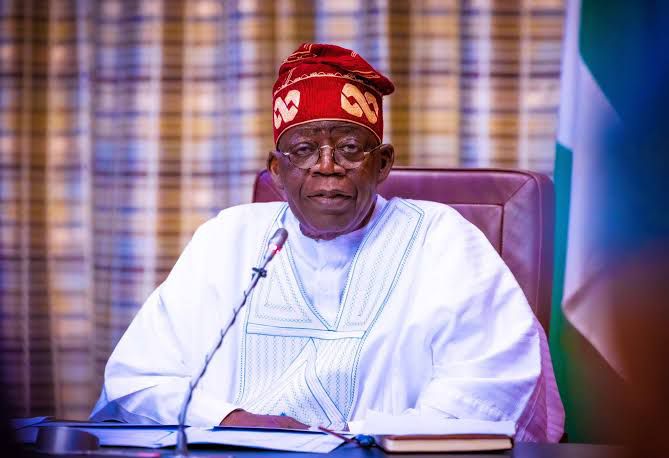
Security remains the central focus of the administration of Bola Ahmed Tinubu, as the Federal Government steps up efforts to address the country’s persistent insecurity through both domestic strategies and international partnerships.
This position was reaffirmed by the Minister of Information and National Orientation, Mohammed Idris, following a meeting with the president in Lagos.
According to the minister, the Commander-in-Chief is actively engaging security agencies and stakeholders to develop sustainable solutions to Nigeria’s security challenges.
Idris disclosed that President Tinubu recently returned from Jos, where he assessed the security situation amid renewed violence in parts of Plateau State. The visit came in the wake of attacks in communities such as Anguwan Rukuba in Jos North, where several lives were lost, prompting authorities to impose curfews to restore calm.
In recent weeks, similar incidents have been reported in other parts of the country, including Katsina State and Borno State, highlighting the widespread nature of insecurity across multiple regions.
Speaking after the meeting, Idris emphasized that security is “uppermost” in the president’s agenda, noting that consultations are ongoing with Nigeria’s security architecture to find a lasting resolution. He added that the administration is committed to tackling the root causes of insecurity rather than applying temporary fixes.
Regional and International Cooperation
The minister stressed that Nigeria’s security challenges are increasingly transnational, particularly within the Sahel region, making regional cooperation essential. He pointed to the recent visit of Mahamat Idriss Déby to Abuja as a strategic move to strengthen cross-border security collaboration.
According to Idris, terrorism and organized crime networks operate across borders, making it difficult for any single country to effectively combat them in isolation. As a result, Nigeria is working closely with neighboring countries to enhance intelligence sharing, joint operations, and coordinated responses.
Beyond regional efforts, the government is also deepening partnerships with global actors, including the United States Government, the European Union, and the Government of the United Kingdom.
Security cooperation featured prominently during President Tinubu’s recent state visit to the United Kingdom, where discussions centered on strengthening Nigeria’s security framework.
Call for Unity and Public Support
While outlining government efforts, the minister also called on Nigerians to remain united and supportive of ongoing initiatives. He noted that public cooperation and patriotism are vital components in achieving long-term peace and stability.
The administration, he said, is mindful of citizens’ concerns and is working to ensure that security interventions translate into tangible improvements in safety and national cohesion.
Outlook
With rising incidents of violence in parts of the country, the renewed emphasis on security by the Tinubu administration signals a multi-layered approach that combines military action, intelligence coordination, and diplomatic engagement.
As Nigeria continues to navigate complex security threats, analysts say sustained collaboration—both within and beyond its borders—will be crucial in achieving lasting peace and stability.