
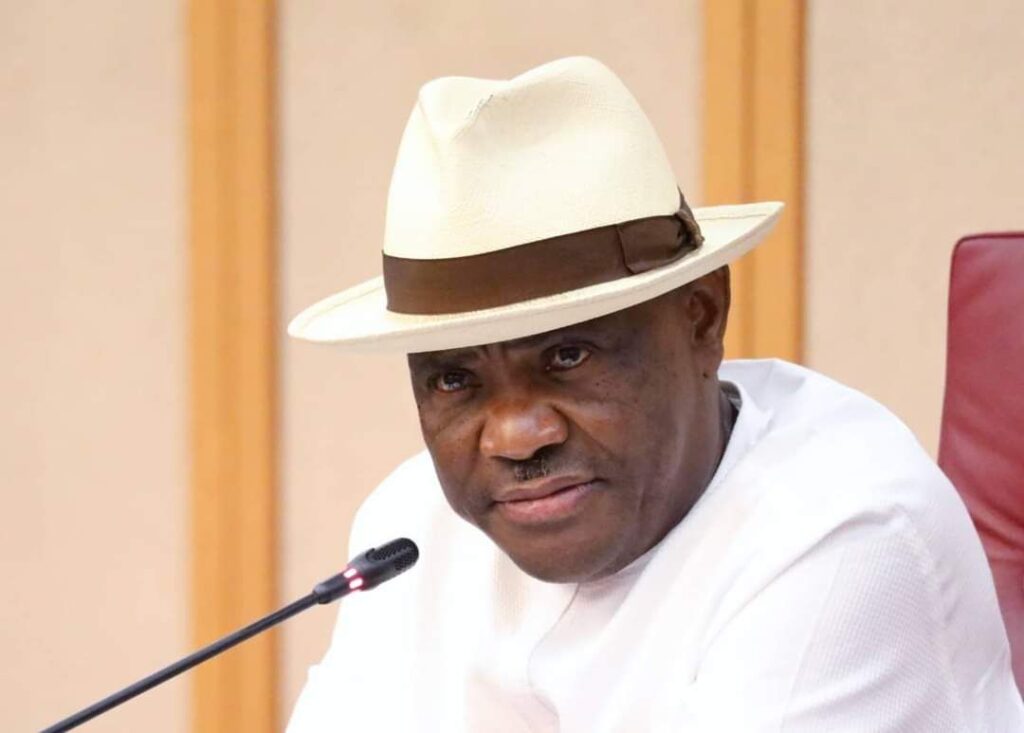
The Nigeria Union of Journalists has strongly condemned recent remarks attributed to the Minister of the Federal Capital Territory, Nyesom Wike, describing them as “reckless, violent, and unacceptable” in a democratic society.
The union’s reaction follows comments reportedly made by Wike during a media chat, in which he expressed anger toward Seun Okinbaloye, a journalist with Channels Television. The minister allegedly said that, if possible, he would have “broken the television screen and shot” the journalist over comments concerning the dangers of a one-party system of government.
In a statement signed by its National President, Alhassan Yahya Abdullahi, the NUJ expressed shock and outrage, warning that such rhetoric from a senior public official poses a serious threat to press freedom and democratic values in Nigeria.
According to the union, it had initially refrained from issuing a public response, expecting that the minister would retract the statement and offer an apology.
However, the absence of any clarification or remorse, it said, raises concerns about the intent behind the remarks.
“This calculated silence deepens our concern and reinforces the perception that the threat was intentional,” the statement read.
The NUJ emphasized that statements of this nature could foster a climate of fear among journalists, potentially discouraging critical reporting and undermining the media’s role as a watchdog in a democratic system.
Describing the comment as “incendiary,” the union said it sends a dangerous signal that dissenting views may be met with hostility or violence, which it noted is incompatible with the principles of a free and open society.
The organization has therefore demanded an immediate and unreserved apology from the minister, insisting that public officials must be held to the highest standards of responsibility in their public utterances.
Furthermore, the NUJ called on the Federal Government to take a clear and firm stance on the matter by condemning the alleged threat and reaffirming its commitment to protecting journalists and upholding media independence.
The union also urged media organizations, civil society groups, and pro-democracy advocates to stand in solidarity against what it described as a blatant attempt to intimidate the press.
“The safety and security of journalists are paramount to a healthy democracy,” the statement added, stressing that any attempt to silence the media must be met with a unified and decisive response.
The controversy has sparked wider debate about the relationship between government officials and the media in Nigeria, particularly at a time when concerns over press freedom and political tolerance continue to feature prominently in public discourse.
Observers note that how the matter is addressed by relevant authorities could have lasting implications for democratic accountability and freedom of expression in the country.